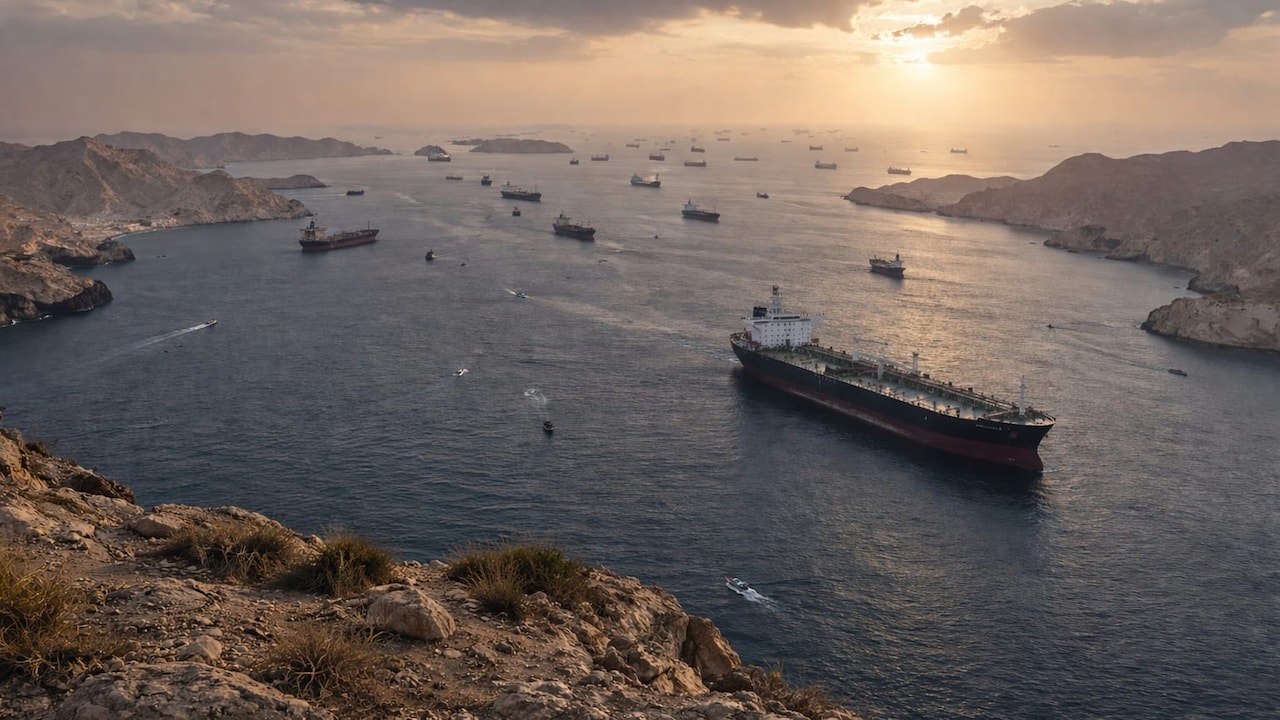
The United States will enforce a renewed blockade on Iran’s ports starting at 2000 GMT on Tuesday, heightening regional tensions and affecting global trade routes.
मुख्य बिंदु (Key Takeaways)
- The US will enforce a port blockade on Iran at 20:00 GMT.
- The move reflects escalating US‑Iran tensions over nuclear and regional issues.
- Potential ripple effects include higher shipping costs, volatile oil markets, and broader Middle East security concerns.
The United States announced that, effective 20:00 GMT on Tuesday, it will reinstate a comprehensive blockade of Iran’s major seaports. The statement, delivered by a senior Pentagon spokesperson, framed the decision as a direct response to persistent Iranian actions deemed threatening to regional stability, including its nuclear program and proxy activities.
Historical Context
Sanctions on Iranian ports date back to the 1979 Islamic Revolution, with a notable pause after the 2015 Joint Comprehensive Plan of Action (JCPOA) eased restrictions. The Trump administration unilaterally re‑imposed sanctions in 2018, and the current administration cites similar security concerns to justify the latest round.
Geopolitical and Economic Impact
Key Iranian ports—Bandar Abbas, Bushehr, and Chabahar—serve as critical nodes for oil exports and trade routes linking the Persian Gulf to the Indian Ocean. Blocking these gateways could depress Iranian oil revenues, push shipping firms to seek alternative routes, and trigger a spike in freight rates. Moreover, the disruption may feed into already volatile global oil prices, affecting economies far beyond the Middle East.
International Reactions
Tehran denounced the action as illegal under international maritime law and vowed to seek redress through the United Nations Security Council. The European Union and China have called for diplomatic engagement, warning that prolonged economic pressure could exacerbate regional instability. Analysts caution that a protracted blockade may force both sides toward a more confrontational posture, raising the specter of direct military encounters.
Looking Ahead
U.S. officials indicated the blockade will remain in place until Tehran demonstrates concrete progress in negotiations over its nuclear activities. In the meantime, diplomatic channels remain open, and the international community faces a delicate balancing act: containing Iran’s perceived threats while preserving the free flow of commerce essential to global energy security.