India’s Act East Policy, designed to deepen economic and strategic ties across the Indo‑Pacific, now confronts regional instability and a more assertive China. Recent diplomatic trips to Indonesia, Australia and New Zealand, however, open fresh avenues for cooperation.
Key Takeaways
- India’s Act East Policy aims to deepen economic and strategic relationships.
- Regional instability and infrastructure gaps in Northeast India pose challenges.
- China’s growing assertiveness and shifting US stance shape future prospects.
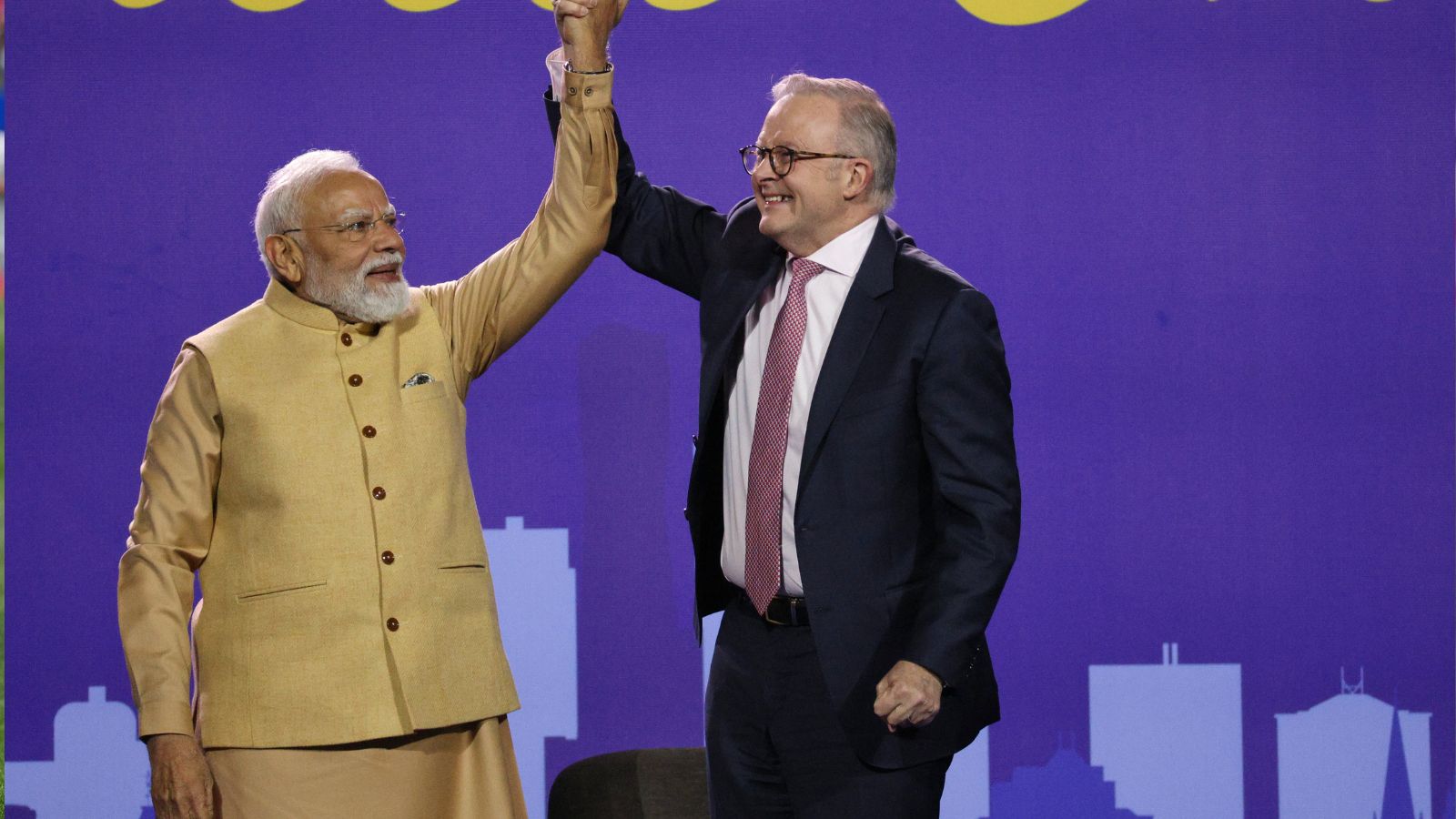
Prime Minister Narendra Modi’s recent visits to Indonesia, Australia and New Zealand have underscored the renewed relevance of India’s Act East Policy. At the 12th ASEAN‑India Summit in 2014, Modi announced the transition from a ‘Look East’ to an ‘Act East’ approach, signalling not just a semantic shift but a deeper real‑political commitment. The policy’s core objective is to expand economic cooperation, strengthen cultural bonds, and forge strategic partnerships throughout the Indo‑Pacific region.
Historical Evolution of the Policy
India’s ties with East Asia trace back centuries through trade, Buddhism, and cultural exchange. The formal revival came in 1991 with the Look East Policy, initially focused on Southeast Asian economies. Over time, the scope broadened to encompass the entire Asia‑Pacific, reflecting India’s desire to play a more proactive role on the global stage. As Modi famously said, “For too long, India and the United States have looked at each other across Europe and the Atlantic. When I look towards the East, I see the western shores of the United States.” This rhetoric positions India as a bridge between West and East.
Current Challenges
The policy confronts a complex set of obstacles. Political volatility in neighboring Pakistan, Myanmar, Bangladesh, Nepal and Sri Lanka creates a volatile security environment. Inconsistencies in the United States’ Indo‑Pacific strategy add strategic uncertainty for New Delhi. Moreover, inadequate infrastructure in Northeast India—limited airports, ports, and road connectivity—hampers the region’s ability to serve as a gateway to East Asia. China’s expanding naval presence and its assertive “blue‑water” ambitions further pressure India to accelerate maritime capability development.
Opportunities Ahead
Despite these hurdles, the Act East Policy has cultivated stronger ties with ASEAN, positioning India as a responsible maritime power. Initiatives such as SAGAR, IPOI and MAHASAGAR reinforce cooperation on maritime security, humanitarian assistance, and climate resilience. By giving voice to small island nations, India aligns itself with like‑minded democracies and projects soft power across the region. As scholar Tehyi Hsieh observes, “The West can teach the East how to get a living, but the East must eventually be asked to show the West how to live.” This insight could become a guiding principle for India’s future diplomatic playbook.