Spanning over 1,600 km, Vietnam’s climate varies dramatically from north to south. This guide details the optimal months for Hanoi, Halong Bay, Sapa, Da Nang, Hue, Ho Chi Minh City and more, helping Indian tourists plan a weather‑smart itinerary.
Key Takeaways
- North: April‑June and September‑November offer mild, clear conditions
- Central coast: March‑May and June‑August are ideal for beach activities
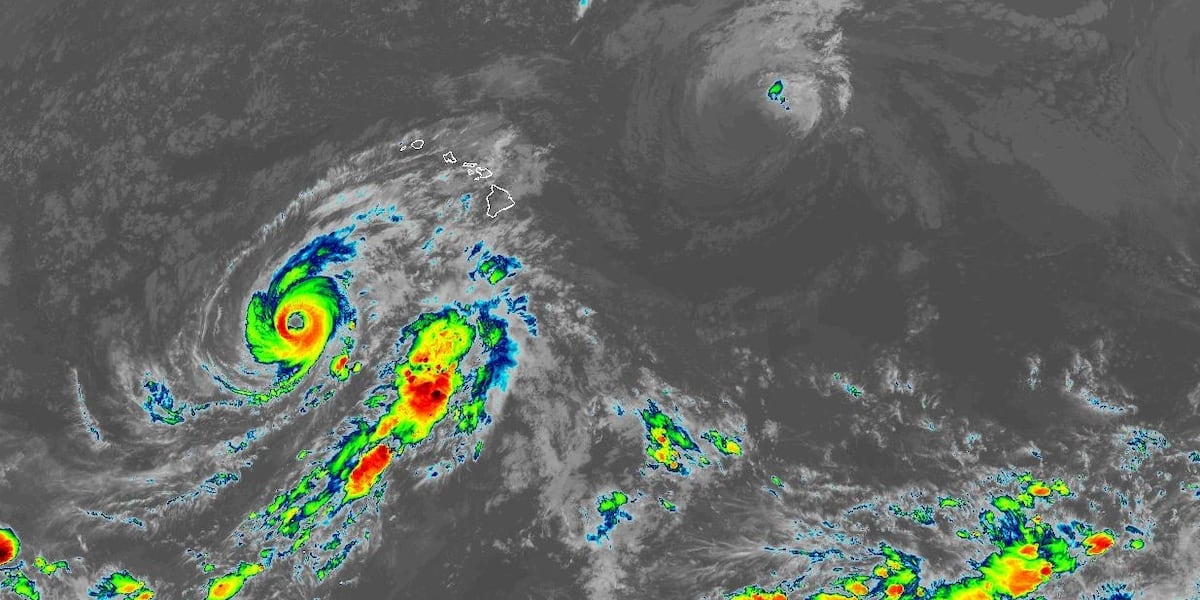
- South: December‑April is the dry season; July‑September carries storm risk
Vietnam has rapidly become a favorite overseas destination for Indian travelers, thanks to visa‑free entry, affordable airfares and a rich cultural tapestry. However, the country’s 1,600‑km stretch from the Chinese border in the north to the South China Sea in the south creates stark climatic contrasts, meaning there is no single “best season” for the entire nation. This article breaks down the weather patterns by region and suggests the most suitable months for each major tourist hub.
Geography and Monsoon Dynamics
Vietnam experiences a tropical monsoon climate divided into two primary seasons: the southwest monsoon (June‑September) and the northeast monsoon (December‑February). The north endures cool, misty winters, while the central and southern regions enjoy warm, sunny summers. Understanding these cycles is essential for travelers who wish to align their activities—whether trekking, beach‑hopping, or cultural exploration—with the most favorable weather.
Optimal Months for Key Destinations
Hanoi & Halong Bay: April‑June delivers warm, clear skies; September‑November offers cool, sunny days. Avoid June‑August (heavy rain, storms) and late December‑March (cold snaps, dense mist).
Sapa (Highlands): Late April brings blooming rhododendrons and clear horizons; early October showcases golden rice paddies before harvest. Winters can be chilly, with occasional snowfall in January.
Hue & Hoi An (Central Coast): March‑August is warm and ideal for beach leisure. September‑February sees heavy rain, tropical storms and localized flooding—best to steer clear.
Nha Trang: January‑August enjoys over 300 sunshine days and the shortest rainy season. September‑December brings rain, with December acting as a transitional month.
Da Lat (Highlands): November‑March provides cool, dry, crisp mountain weather—a welcome escape from the heat. The long rains from April‑October make this period less appealing.
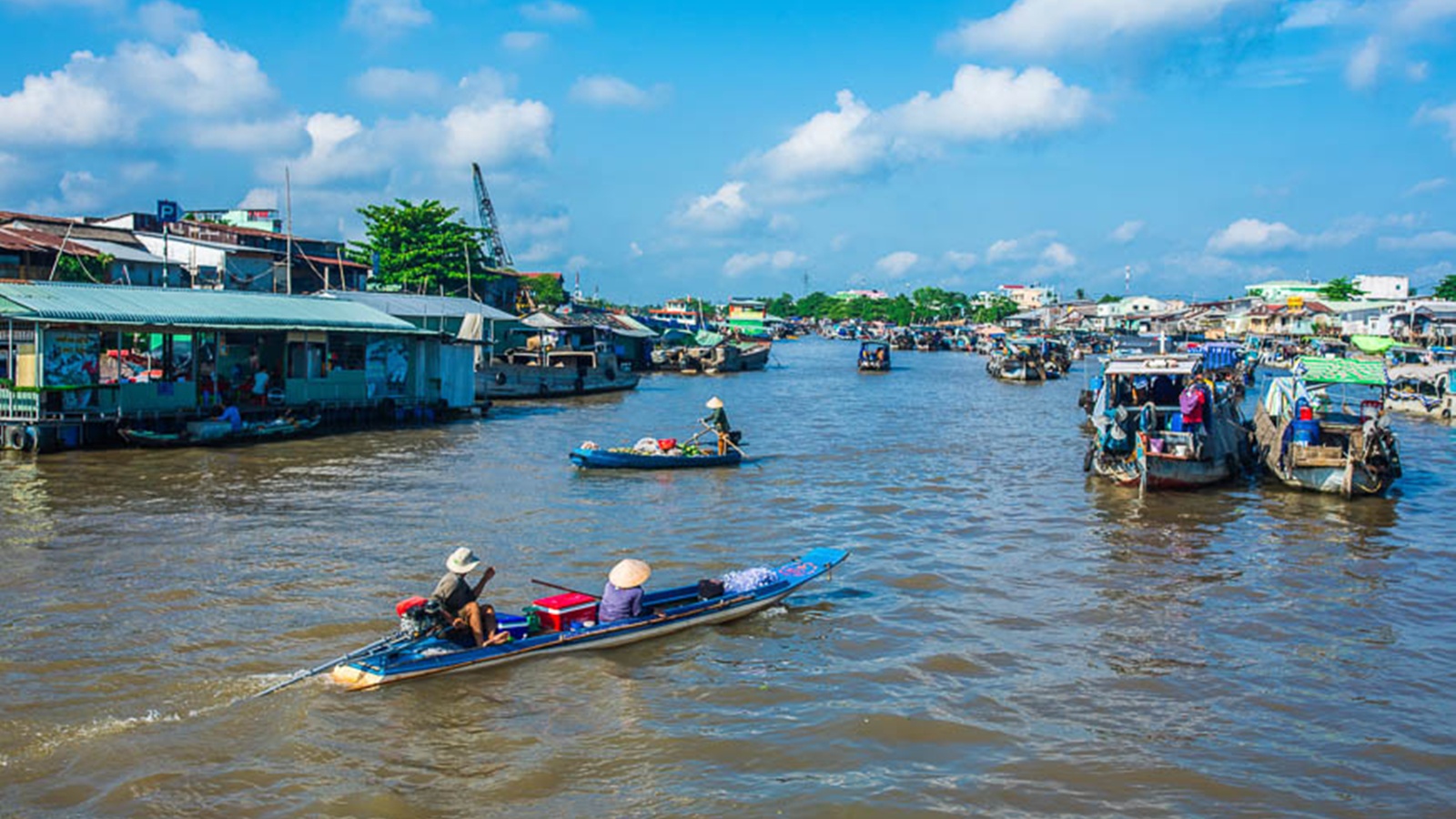
Ho Chi Minh City & Mekong Delta: December‑April is hot, dry and clear. May‑November brings reliable afternoon downpours, making travel less comfortable.
Phu Quoc: October‑June is hot, dry and sunny; December‑January are particularly sublime. July‑September brings storms that can render ferry services hazardous.
Country‑wide Sweet Spot
For travelers aiming to cover the entire country in one trip, the March‑May window offers the highest probability of pleasant weather across most regions, balancing temperature and precipitation.
Practical Travel Rules
• Beaches (Hoi An, Nha Trang): Visit during summer months for maximum sunshine.
• North (Hanoi, Halong Bay, Sapa): Prefer spring or autumn; late April for Sapa’s flowers, early October for golden rice terraces.
• South (HCMC, Mekong, Phu Quoc): Target the dry season, roughly December‑April; Phu Quoc peaks in December‑January.
• Avoid central coast from September‑February due to tropical storms and flood risk; also steer clear of Phu Quoc in July‑September because of unsafe ferry conditions.
Remember, this guide outlines typical seasonal patterns, not a day‑by‑day forecast. Always verify local weather updates and storm warnings before finalising your itinerary.