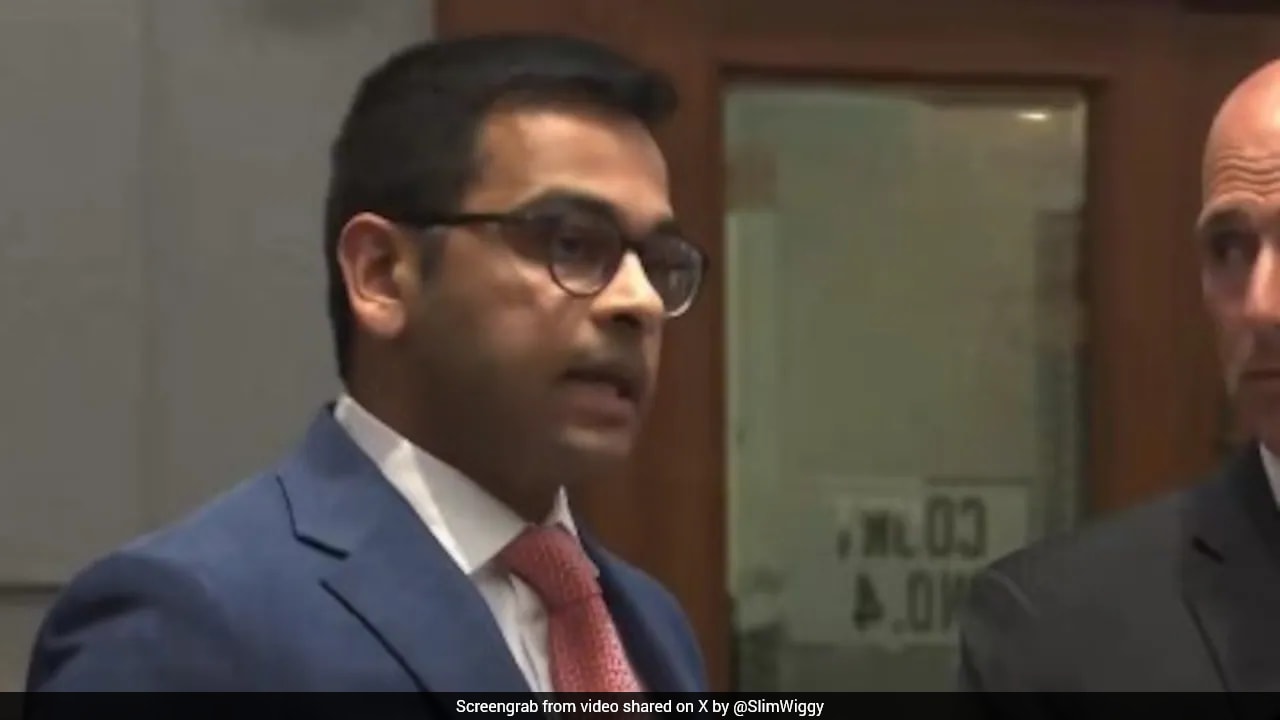
The U.S. Federal Bureau of Investigation (FBI) has placed alleged associate Nitish Kaushal of the Jaggu Bhagwanpuria network on its most wanted list, following the sweeping Operation Hard Ball that targeted the syndicate across the United States, Canada and Europe.
Key Takeaways
- Nitish Kaushal added to FBI’s most wanted list.
- Operation Hard Ball crippled key nodes of the Bhagwanpuria network.
- International cooperation signals tougher stance on transnational crime.
The United States’ premier investigative agency, the FBI, has escalated its crackdown on the Jaggu Bhagwanpuria organized crime group by placing alleged associate Nitish Kaushal on its most wanted list. This move underscores a decisive shift toward confronting transnational criminal enterprises that have roots in India but operate globally.
Origins of the Bhagwanpuria Network
Originating in Punjab, India, the Bhagwanpuria OCG (Organized Crime Group) expanded its reach to the Central District of California and other U.S. jurisdictions. Law enforcement alleges the syndicate is involved in murder, kidnapping, drug and weapons trafficking, extortion, money laundering, and human smuggling—an extensive portfolio of serious offenses.
Operation Hard Ball: A Coordinated Strike
Launched in June 2026, Operation Hard Ball represented a coordinated international enforcement action involving agencies from the United States, Canada, and several European nations. The operation executed simultaneous raids, seized assets, and detained numerous affiliates, delivering a substantial blow to the network’s infrastructure. It was during this sweep that Kaushal was charged under the Racketeer Influenced and Corrupt Organizations (RICO) Act.
Legal Proceedings and Current Status
On June 25, 2026, the U.S. District Court for the Central District of California issued a federal arrest warrant for Kaushal, accusing him of participating in a RICO conspiracy. The warrant’s issuance coincided with his addition to the FBI’s most wanted list, amplifying the pressure on him and signaling heightened vigilance from U.S. authorities.
International Ramifications and Future Outlook
This development highlights the growing willingness of global law‑enforcement bodies to pursue Indian‑origin criminal syndicates beyond national borders. Experts suggest that the heightened cooperation between the U.S., Canada, and European partners will set a precedent for dismantling similar transnational networks, urging Indian authorities to reinforce domestic measures against such groups.