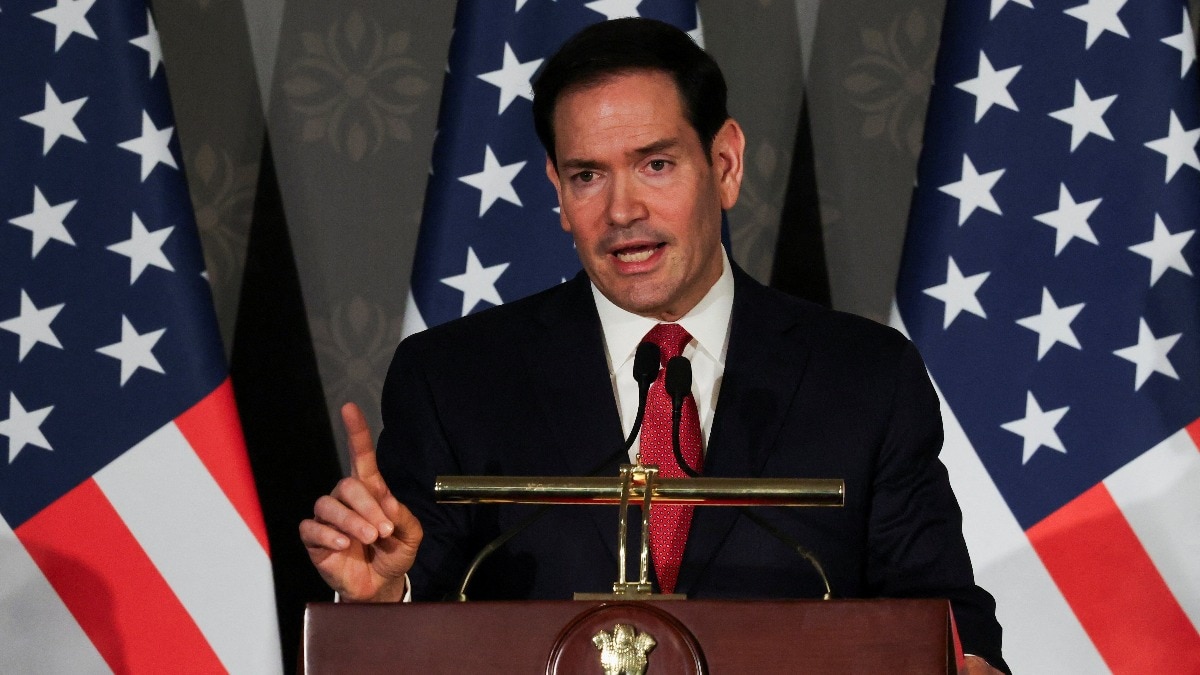
U.S. Secretary of State Marco Rubio announced a comprehensive campaign to dismantle the International Criminal Court, urging allies to join the effort and warning that U.S. aid could be leveraged against countries that support the tribunal.
Key Takeaways
- The United States is launching a full‑government campaign to break down the ICC.
- Rubio cites sanctions, visa revocations and travel bans as possible tools.
- Washington is pressuring allies to distance themselves from the court, tying assistance to compliance.
Marco Rubio, the U.S. Secretary of State, declared on July 14 that Washington will “dismantle the International Criminal Court brick by brick,” using “all tools at our disposal.” The statement marks a sharp escalation in the Trump administration’s long‑standing opposition to the Hague‑based tribunal.
Historical Context
The ICC, founded in 2002, prosecutes war crimes, genocide and crimes against humanity. The Trump administration first signaled hostility in 2019 when the court opened a probe into alleged U.S. war crimes in Afghanistan, branding the move “illegitimate” and imposing sanctions on ICC officials. Rubio’s latest pronouncement extends that policy into a coordinated, “whole‑of‑government” effort.
Tools and Pressure Tactics
Rubio outlined a suite of measures that could include travel bans, visa revocations, and tougher economic sanctions aimed at ICC judges, staff and cooperating governments. A senior State Department official told CNN that U.S. foreign aid could be conditioned on a country’s willingness to reject the court’s “false authority.” Diplomats in Washington are reportedly contacting allies worldwide to rally a collective refusal to recognize ICC jurisdiction.
Global Reactions and Potential Impact
If successful, the campaign could cripple the ICC’s budget and erode its political legitimacy, especially among nations already skeptical of its reach. European and African member states may push back, framing the U.S. push as an attack on the rule of law. Conversely, several developing nations that rely heavily on U.S. assistance might acquiesce, further isolating the court.
Analytical Perspective
Rubio’s stance reflects a broader U.S. strategy of leveraging economic and diplomatic clout to reshape international legal norms in its favor. The move could set a precedent for other powers to challenge multilateral institutions, potentially reshaping the architecture of global accountability.