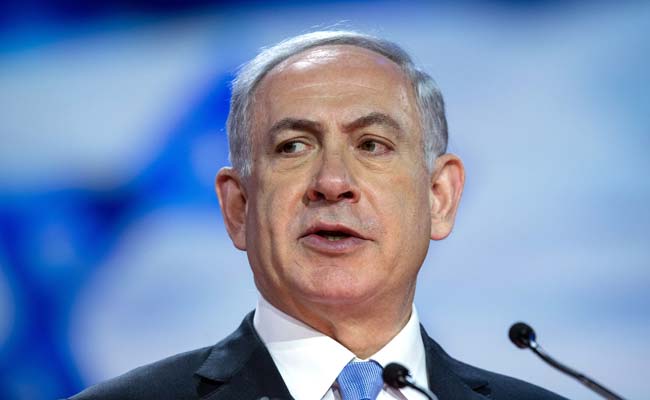
Israeli Prime Minister Benjamin Netanyahu cautioned Iran at a Dimona conference that any renewed aggression would be met with far stronger retaliatory strikes, a warning coinciding with recent US air attacks on Iranian facilities.
Key Takeaways
- Netanyahu issues a firm warning to Iran against future attacks.
- The United States has just launched new airstrikes against Iranian targets.
- Escalating tensions could further destabilize the Middle East security environment.
Israeli Prime Minister Benjamin Netanyahu addressed an international audience in Dimona, delivering a stark message to Iran’s leadership: “Do not count on things remaining quiet if you attack us.” The statement, made at a high‑profile conference, underscored Israel’s resolve to respond decisively to any perceived threat from Tehran.
Historical Context
The Israel‑Iran rivalry spans decades, rooted in the 1979 Iranian Revolution and subsequent antagonism over Iran’s nuclear ambitions. Past incidents—including the 2020 strike on Iraq’s Baab al‑Shahid airbase—have already demonstrated Israel’s willingness to act pre‑emptively. Netanyahu’s latest warning, however, is amplified by the United States’ recent military actions, suggesting a coordinated front against Tehran.
U.S. Airstrikes
Within the past week, the United States conducted targeted airstrikes on two strategic Iranian installations, aiming to degrade Tehran’s missile and drone capabilities. This move not only signals Washington’s continued commitment to curbing Iran’s regional influence but also reinforces Israel’s security partnership with the U.S. The timing of the strikes, juxtaposed with Netanyahu’s remarks, creates a potent signal of joint deterrence.
Potential Implications
If Iran contemplates another offensive against Israel, Netanyahu has pledged that the response would be "much more powerful." Such strong language serves both as a deterrent and as an indication of Israel’s expanding military readiness. Analysts warn that public threats of this nature may shrink diplomatic windows, increasing the risk of a broader regional conflict.
Looking Ahead
The convergence of Israeli rhetoric and American kinetic action has pushed Middle Eastern tensions to a new high. International actors will need to monitor the situation closely, as any miscalculation could spark a cascade of retaliatory measures, drawing in regional allies and further complicating the security calculus.