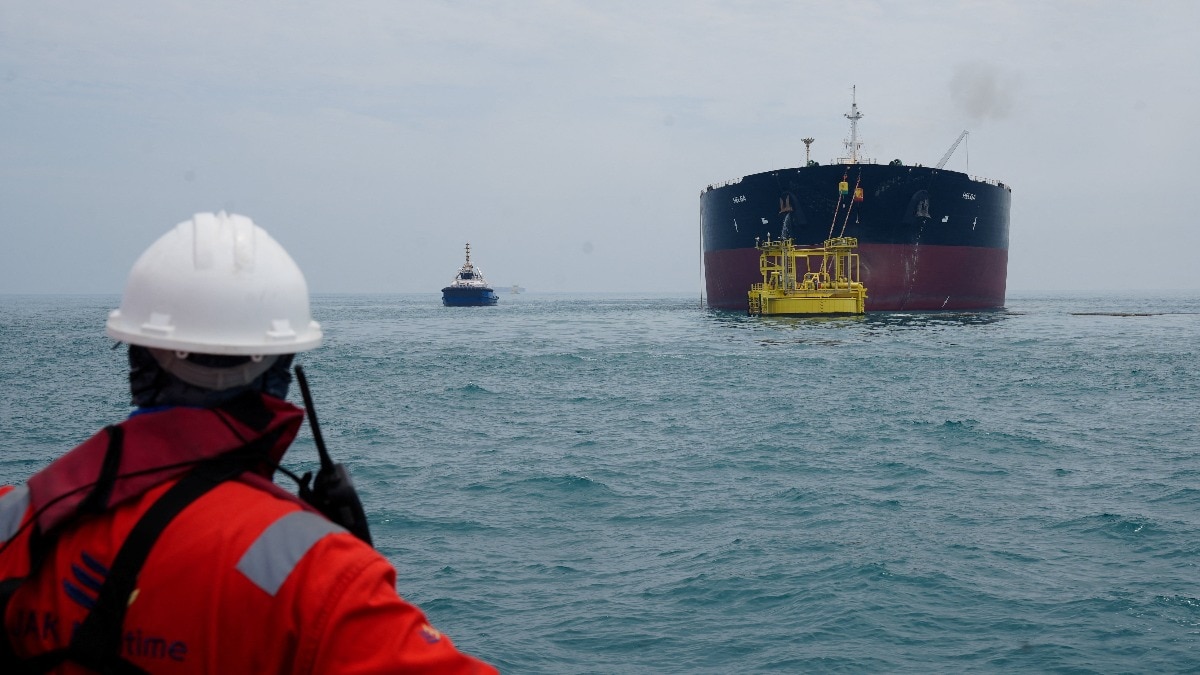
Amid renewed US‑Iran hostilities, seven Indian‑flagged ships remain trapped in the Persian Gulf, carrying 148 Indian seafarers whose safety is uncertain. The article explores the background, recent attacks, and broader economic ramifications.
Key Takeaways
- Seven Indian‑flagged vessels stuck in the Persian Gulf, 148 crew members potentially exposed to danger
- Missile strikes on two Emirati tankers result in one Indian seafarer dead and several injured
- Escalating US‑Iran tensions threaten the fragile maritime peace agreement and global oil flow
As the United States and Iran intensify their confrontation in the Middle East, seven Indian‑flagged vessels have been forced to stay inside the Persian Gulf’s western side. Together they carry 148 Indian nationals who, according to government sources, are not planning to exit the region until the security situation improves.
Background and Current Situation
The Strait of Hormuz is a choke point through which a sizable share of the world’s oil and gas passes daily. Recent missile attacks on two Emirati oil tankers—MT Al Bahyah and MT Mombasa B—have underscored the heightened risk. Iran’s Islamic Revolutionary Guard Corps (IRGC) claimed responsibility, stating the vessels ignored repeated warnings before being targeted.
Indian Ships and Their Operations
Out of the seven vessels, five are engaged in commercial activities while the remaining two appear to be idling as a precautionary measure. Officials confirmed that the ships were already positioned on the western flank of the strait when the latest round of hostilities erupted, mirroring the earlier phase of the West Asia conflict.
Human Cost and Economic Impact
Since the conflict spread across the Gulf region, 14 Indian nationals have lost their lives, with three still missing, according to PTI. The casualties include a recent Indian seafarer killed aboard MT Al Bahyah and three Indian crew members killed when the US struck the Palau‑flagged tanker MT Settebello last month. These incidents have driven up insurance premiums and freight rates for vessels transiting the Hormuz corridor.
US‑Iran Peace Deal Under Strain
The June memorandum of understanding between Washington and Tehran, which had temporarily eased tensions and allowed a smoother flow of commercial shipping, is now under severe pressure. Iran announced a renewed closure of the Strait of Hormuz, while the US President has vowed to keep the waterway open, proposing a 20 % fee on cargoes as compensation for “guarding” the route. This diplomatic tug‑of‑war threatens to disrupt global energy markets and increase costs for Indian exporters and importers alike.