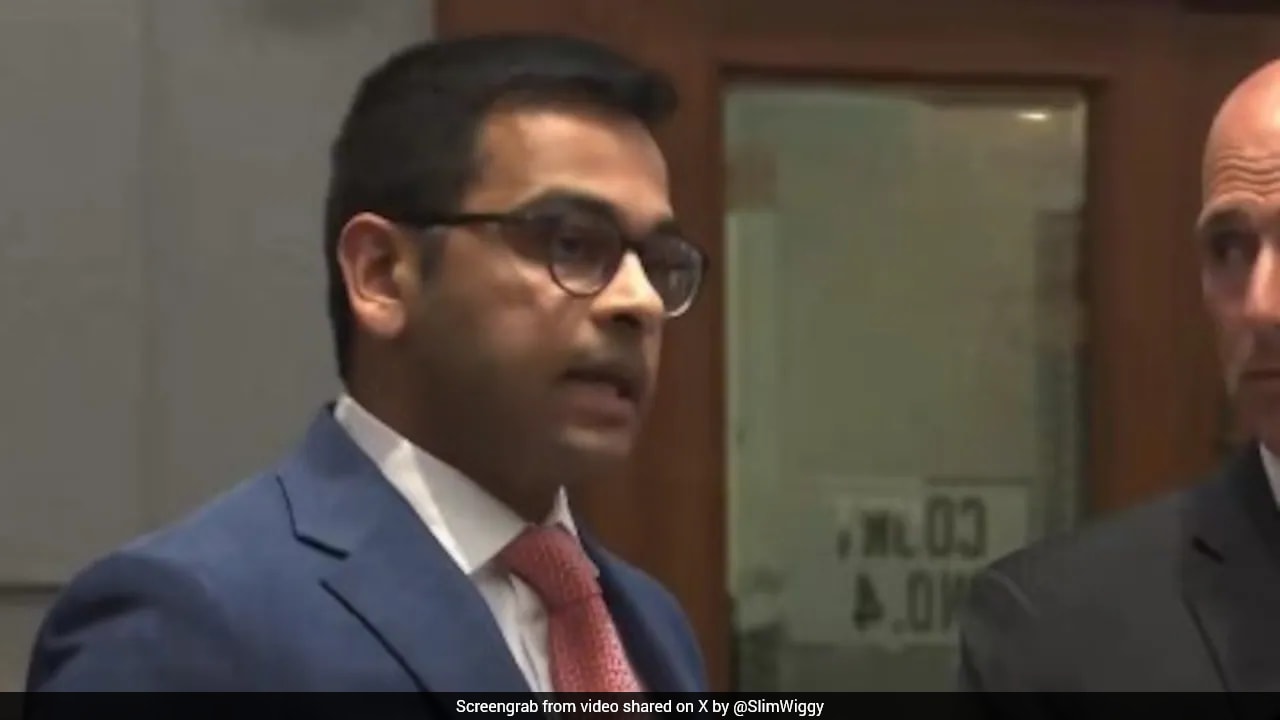
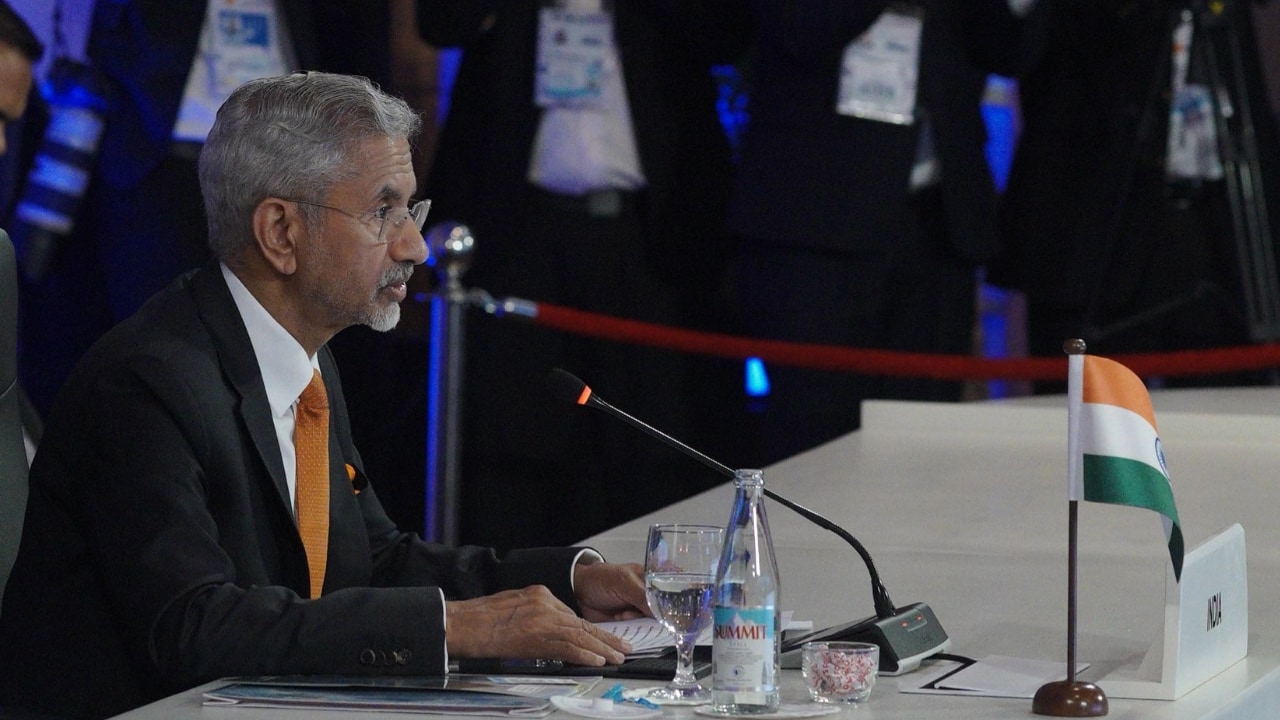
The Supreme Court ordered a ‘fair, lawful and reasoned’ process for citizenship decisions, overturning 27 Gauhati High Court judgments. Meanwhile, Labour’s Andy Burnham secured additional MP support, positioning him as the likely next UK prime minister. The digest also covers border security, regional unrest and key policy updates in India.
Key Takeaways
- Supreme Court quashes 27 Gauhati High Court decisions, insisting on a fair and reasoned citizenship process.
- Andy Burnham gains crucial Labour MP backing, strengthening his bid to become UK Prime Minister.
- Border states raise alarms over illegal migrants on voter rolls, drone smuggling and Kuki‑Zo council’s appeal for central intervention.
Supreme Court’s citizenship ruling – On July 13, the Indian Supreme Court delivered a landmark judgment, setting aside a batch of 27 decisions by the Gauhati High Court that had labelled appellants as foreigners. The apex court remanded the cases to the relevant Foreigners Tribunals, emphasizing that any determination of citizenship or foreigner status must be conducted through a “fair, lawful and reasoned” procedure. Legal scholars argue this ruling establishes a robust procedural safeguard, likely to influence future adjudications involving complex identity disputes across India’s diverse demographic landscape.
Andy Burnham’s march toward the UK premiership
Within the Labour Party’s leadership contest, veteran politician Andy Burnham secured additional nominations from Labour MPs on July 13, giving him an unassailable lead over rival candidates. Burnham, the former Manchester mayor, is the only Labour MP who has publicly declared his candidacy to replace outgoing Prime Minister Keir Starmer. Political analysts suggest his growing support reflects a desire for fresh leadership amid internal party turbulence and could steer the UK toward a more centrist Labour agenda if he assumes office.
Border‑state security concerns
At the inaugural conference of police chiefs from India’s border districts, officials highlighted three pressing issues: illegal migrants remaining on electoral rolls despite Assam’s special voter‑list revision, alleged misuse of the Nepal border by radical elements to infiltrate Punjab, and the exploitation of messaging apps such as WhatsApp, Skred and Zangi for arms and narcotics smuggling across the Pakistan frontier. Senior government sources indicated that coordinated intelligence sharing and technology‑driven surveillance will be intensified to curb these cross‑border threats.
Kuki‑Zo council seeks central action on Nagas’ blockade
In Manipur’s Kangpokpi district, the Kuki‑Zo Council (KZC) met with Intelligence Bureau Director Mahesh Dixit and senior Home Ministry officials on July 13, urging immediate central intervention to end the Naga‑led blockade that has starved local communities of essential supplies. The council warned that prolonged disruption could trigger a humanitarian crisis and exacerbate ethnic tensions in the volatile Northeast region. The Union government has pledged a rapid diplomatic and security response.
Other notable developments
The Ministry of Petroleum & Natural Gas clarified that increased Russian oil imports are part of a deliberate diversification strategy launched after the West‑Asia crisis. In the UK, a republican group unfurled a banner featuring convicted pedophile Jeffrey Epstein alongside Prince Andrew in Buckingham Palace’s Throne Room, prompting heightened security alerts. On the sporting front, England and India will clash in the first ODI at Edgbaston on July 14, with strong north‑easterly winds expected to influence play. The CBSE has mandated a school‑based internal assessment in the third language (R3) for Class 10 students, making it a prerequisite for the Secondary School Examination Pass Certificate. Finally, Ladakh’s administration announced the extension of the Autonomous Hill Development Council to all seven districts, creating 17 new tehsils to strengthen grassroots governance.