The United States announced a 20% levy on all cargo transiting the Strait of Hormuz, a move that could raise India's crude oil import costs and strain its energy trade. The policy, framed as compensation for U.S. security forces, arrives amid heightened U.S.-Israel-Iran tensions and recent attacks on tankers carrying Indian crew members.
Key Takeaways
- U.S. reinstates naval blockade and imposes 20% levy on Hormuz traffic
- India's oil import costs could surge, affecting domestic fuel prices
- Recent missile attacks on tankers highlight crew safety risks
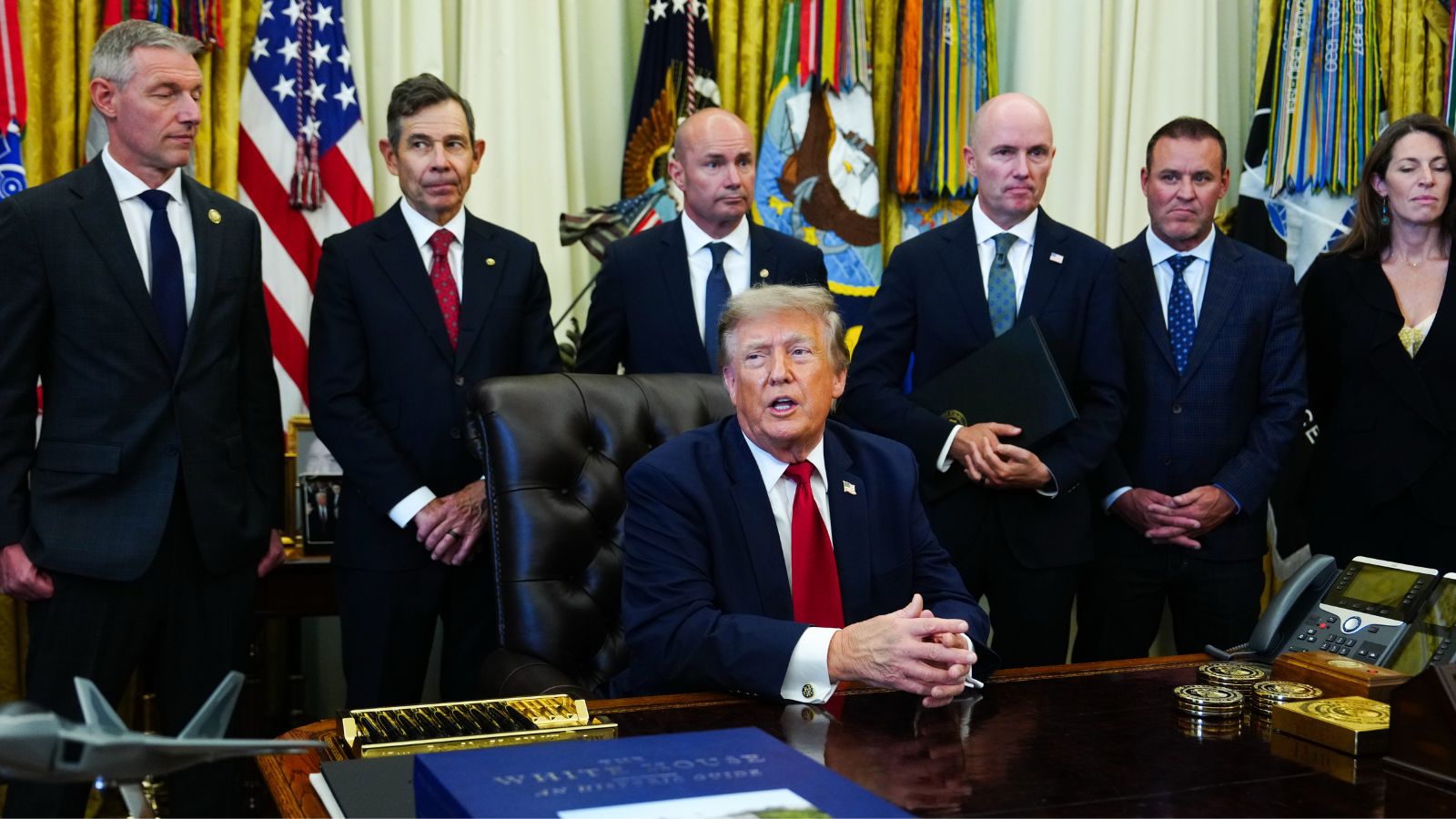
President Donald Trump declared on July 14 that the United States will re‑impose a naval blockade of Iranian ports and levy a 20% charge on every vessel passing through the Strait of Hormuz. The administration frames the fee as compensation for American forces securing the waterway, yet maritime law experts question its legality under international conventions.
Strategic Importance of the Strait
The Hormuz Strait carries roughly one‑fifth of the world’s oil and an equal share of liquefied natural gas (LNG). For India, which imports over 70% of its energy needs, the waterway is a critical artery. Since the escalation of U.S.–Israel–Iran hostilities in February 2026, the strait’s security has become increasingly volatile, prompting both commercial and military stakeholders to reassess risk exposure.
Recent Tanker Attack and Indian Casualties
Just hours before Trump’s announcement, the United Arab Emirates reported that Iranian‑launched cruise missiles struck two tankers—Mombasa and Al Bahiyah—within Omani territorial waters. The attack killed one Indian seafarer and injured eight others, six of whom were Indian nationals. The incident underscores the vulnerability of Indian crews, who constitute a large proportion of the workforce on Gulf‑transiting vessels.
Economic Implications for India
If enforced, a 20% surcharge would increase landed costs for Indian refiners. Those higher costs are likely to cascade into domestic fuel prices, eroding recent gains from diversified sourcing, including discounted Russian crude. Moreover, insurers and shipping operators anticipate higher premiums and routing uncertainties, squeezing profit margins across the oil supply chain.
Legal and Diplomatic Dimensions
The International Maritime Organization (IMO) has stated that there is no legal basis for mandatory tolls on an international strait. Iran’s foreign minister, Abbas Araghchi, mocked the levy on X, calling it “too much” while reaffirming Tehran’s role as the “guardian” of Hormuz. Within Washington, some Republican lawmakers are already questioning the economic wisdom of the move, especially as oil prices show early signs of rebounding.
In sum, Trump’s 20% levy adds a new layer of uncertainty to an already fraught maritime corridor. Indian policymakers will need to balance immediate cost pressures with longer‑term energy security strategies, potentially accelerating moves toward alternative supply routes and heightened diplomatic engagement in the Gulf.