In Pakistan's Kech district, labourer brothers Imam and Muhammad Umar were taken into custody by security forces and later discovered dead with bullet wounds. While some online accounts claimed they were militants, locals insist they were ordinary workers, sparking fresh calls for an independent investigation.
Key Takeaways
- Imam and Muhammad Umar were detained by security personnel
- Their bodies showed bullet injuries, suggesting extrajudicial killing
- Local residents demand a transparent, independent probe
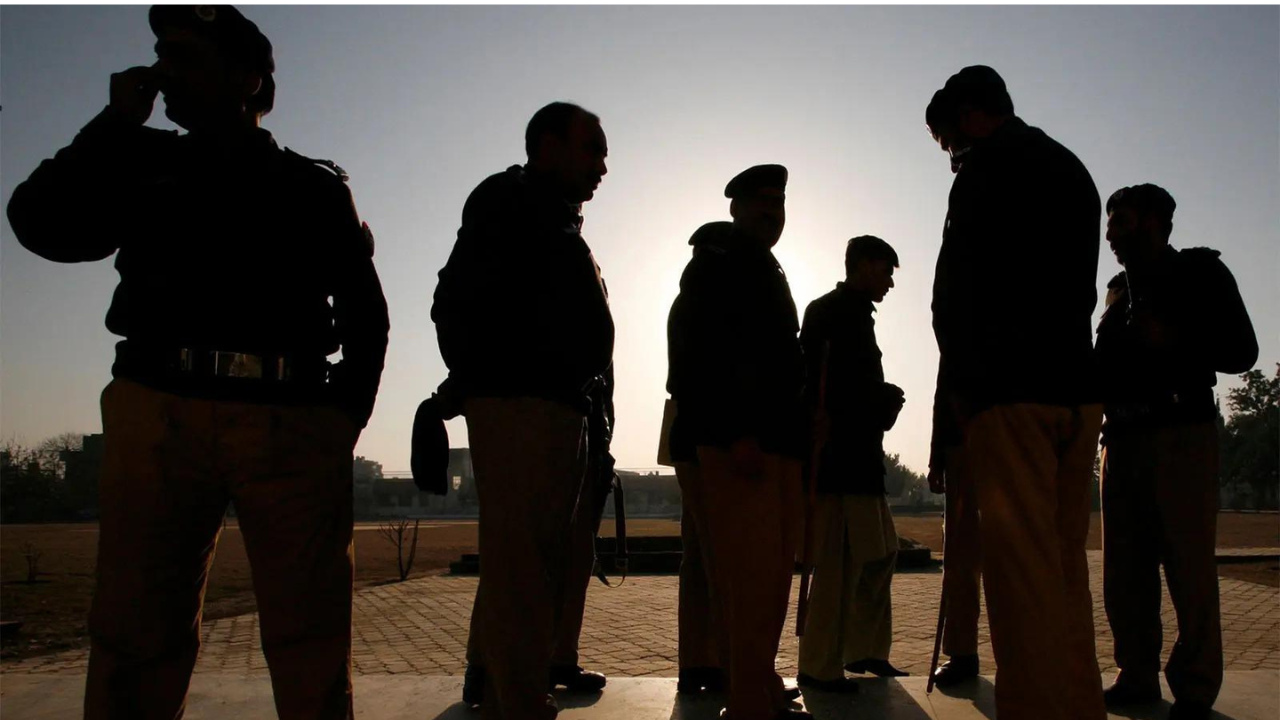
Two labourers from the town of Mand, identified as Imam and Muhammad Umar, were found dead with clear gunshot wounds in the Kech district of Balochistan, Pakistan. According to local reports, the brothers were stopped after their motorcycle ran out of fuel near Balicha Cross, where security forces allegedly took them into custody. Hours later, their bodies were handed over to the family by the police, igniting a fresh wave of concern over custodial deaths in a region already plagued by human‑rights allegations.
Chronology of the Incident
The brothers, residents of Shaban Bazaar in Mand, worked as labourers in Jiwani’s Kuntani area. On July 14, 2026, while returning to their village, their motorcycle stalled for lack of fuel. Witnesses claim that two uniformed security personnel approached the brothers, detained them on the spot, and later disappeared with them. When the bodies were retrieved, both showed multiple bullet wounds, contradicting any narrative of a routine traffic stop.
Conflicting Narratives on Social Media
Immediately after the incident, several pro‑military social‑media accounts alleged that the two men were suspected militants killed in a security operation. However, the victims’ family and local residents refuted these claims, emphasizing that the brothers had no links to any armed group. This discrepancy amplified community distrust toward the security establishment and raised questions about the use of disinformation to mask possible abuses.
Human‑Rights Organizations React
The human‑rights wing of the Baloch National Movement (BNM), known as Paank, condemned the deaths as an "extrajudicial killing". Paank called for an independent, transparent investigation and demanded accountability if the allegations are substantiated. Their statement aligns with a long‑standing pattern of alleged unlawful killings and enforced disappearances reported by international watchdogs in Balochistan.
Broader Implications
Balochistan has endured a decades‑long insurgency and a corresponding security crackdown that often blurs the line between lawful policing and rights violations. An unresolved custodial death not only fuels local anger but also risks further international scrutiny of Pakistan’s human‑rights record. If the case is not investigated impartially, it could exacerbate existing tensions, potentially leading to larger protests or increased insurgent recruitment in the already volatile province.