The United States launched its fourth straight day of air strikes against Iran on Tuesday, while Washington signaled plans to re‑impose a naval blockade on Iranian ports. The moves heighten regional tension and could disrupt global oil markets.
Key Takeaways
- US military conducts a fourth consecutive day of air strikes on Iran.
- Washington is preparing to reinstate a naval blockade of Iranian ports.
- The actions risk escalating Middle East tensions and unsettling global oil prices.
The United States carried out its fourth consecutive day of air strikes against Iran on Tuesday, according to an official statement from the US military. Fighter jets targeted strategic sites, including military installations and suspected missile launch facilities, aiming to curb Tehran’s “destabilizing” activities and re‑assert US influence in the region.
Background and Triggers
US‑Iran relations have been fraught for decades, from the 1979 Islamic Revolution and the 2003 Iraq war to the 2015 Joint Comprehensive Plan of Action (JCPOA) and its subsequent breaches. Recent accusations that Iran supplied drones and missiles to proxy groups attacking US‑aligned bases, along with concerns over Tehran’s stance toward Israel, prompted Washington to adopt a more aggressive posture.
Naval Blockade Plans
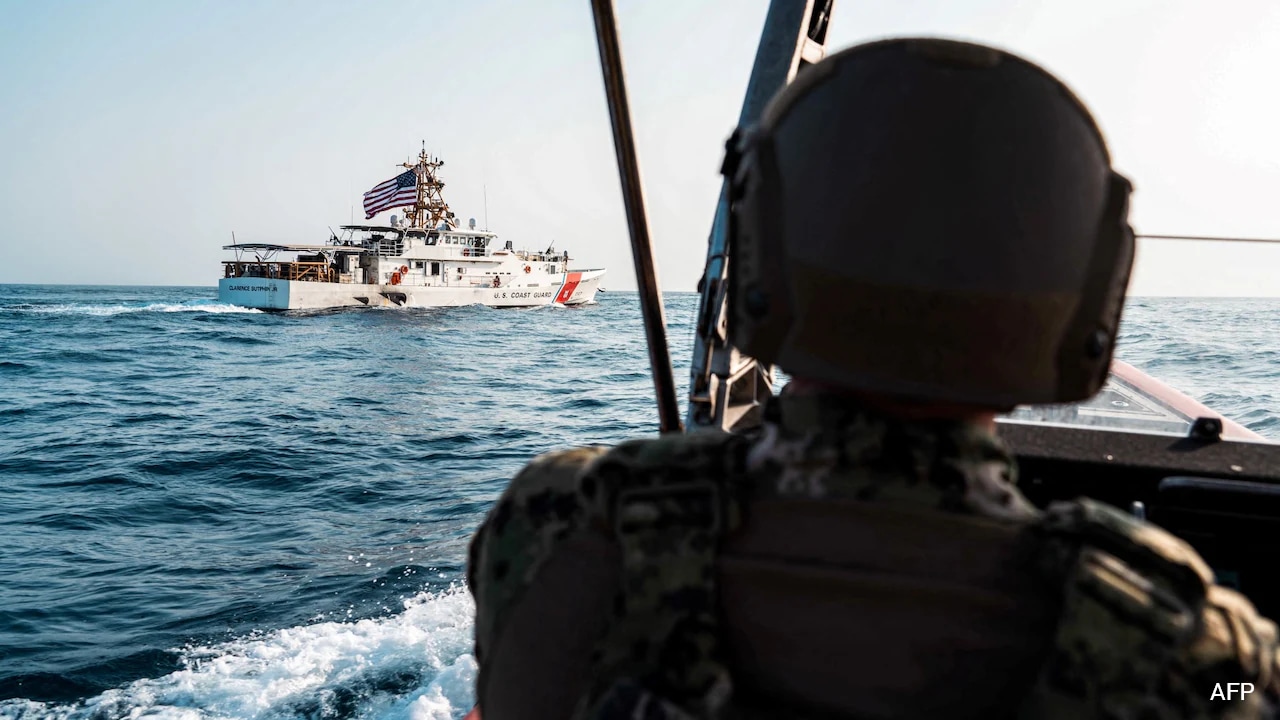
Alongside the aerial campaign, the US signaled a readiness to re‑impose a naval blockade on Iranian ports. Such a blockade would restrict maritime traffic, curtail Iran’s oil exports, and potentially trigger a spike in global oil prices. Analysts note that economic pressure complements the military strategy, aiming to force Tehran back to the negotiating table.
Regional and Global Implications
The combined air strikes and looming blockade could intensify an already volatile Middle East environment. Iran’s allies, including Syria and Hezbollah‑backed Lebanon, may respond with heightened military support, raising the specter of a broader regional conflict. Moreover, any disruption to Iran’s oil flow would reverberate through international energy markets, amplifying price volatility.
Future Outlook
In the coming weeks, diplomatic overtures from both Washington and Tehran will be crucial. A return to dialogue could contain the escalation, but a continued hardline stance on either side may prolong hostilities for months. The international community must monitor the situation closely, balancing deterrence with the pursuit of a sustainable diplomatic solution.