U.S. senators have introduced a revised Russia sanctions bill that lowers the tariff ceiling on top energy buyers from 500% to a maximum of 100%, easing pressure on India and China while still targeting Moscow’s war financing. The measure also clamps down on Russia’s shadow fleet and key financial institutions.
Key Takeaways (मुख्य बिंदु)
- The revised bill caps tariffs on major Russian oil‑gas buyers at 100% instead of the original 500%.
- India, China, Slovakia, Hungary and Azerbaijan are the top five crude oil importers; China, France, Japan, Hungary and Belgium lead in natural gas.
- The legislation also sanctions Russia’s shadow tanker fleet and major financial institutions, while granting exemptions for countries reducing dependence on Russian energy.
On Tuesday, U.S. senators unveiled a bipartisan amendment to the Russia sanctions bill that seeks to intensify pressure on Moscow while mitigating the harshest provisions of the original proposal. The updated legislation reduces the maximum tariff threat on the world’s biggest energy purchasers—from a blanket 500% to a capped 100% for the top five buyers, notably easing the burden on India and China.
Legislative Background and Core Objectives
The bill, originally championed by the late Republican Senator Lindsey Graham, was designed to choke off the revenue streams that fund Russia’s war effort in Ukraine. By imposing steep tariffs on countries that continue to import Russian oil and gas, the legislation aimed to make Moscow’s energy exports less profitable. However, the initial 500% tariff raised alarms about possible disruptions to global energy markets and strained ties with U.S. allies.
Revised Tariff Structure and Key Purchasers
Under the revised version, tariffs will primarily target the top five purchasers of Russian crude oil—China, India, Slovakia, Hungary and Azerbaijan—and the leading importers of Russian natural gas—China, France, Japan, Hungary and Belgium. By limiting the tariff to a maximum of 100%, the bill seeks a balance between exerting economic pressure on Russia and preserving stable energy supplies for major economies.
Shadow Fleet and Financial Institution Sanctions
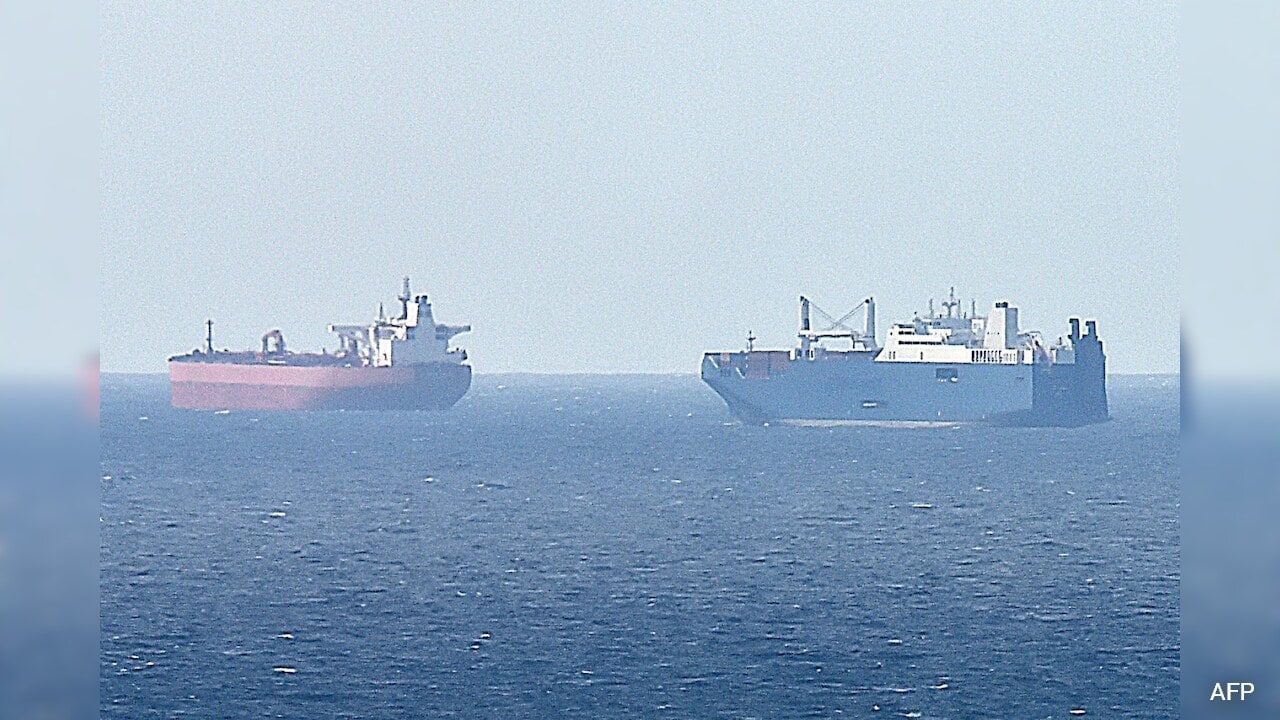
The legislation also extends sanctions to Russia’s so‑called “shadow fleet” of tankers that operate outside traditional Western shipping and insurance networks. In addition, it targets Russian financial institutions, including the Central Bank of Russia, and major state‑backed LNG projects such as Yamal LNG and Arctic LNG. These measures are intended to further erode the financial underpinnings of Russia’s military operations.
Political Calculus and Prospects for Passage
The amendment comes days after Senator Graham’s sudden death, prompting bipartisan leaders to honor his legacy by pushing the bill forward. The revised language aims to secure broader political support, with 26 co‑sponsors already attached and additional lawmakers expected to join. President Donald Trump has signaled willingness to sign the bill and hinted at expanding sanctions to include Iran and Hezbollah, though Senate Democratic leader Chuck Schumer cautioned against widening the scope.
As the bill moves toward Senate consideration, its impact will hinge on whether it can effectively diminish Russia’s energy revenues without destabilizing global markets or alienating key partners. The balance between strategic pressure on Moscow and preserving the energy security of nations like India and China will define the legislation’s ultimate success.