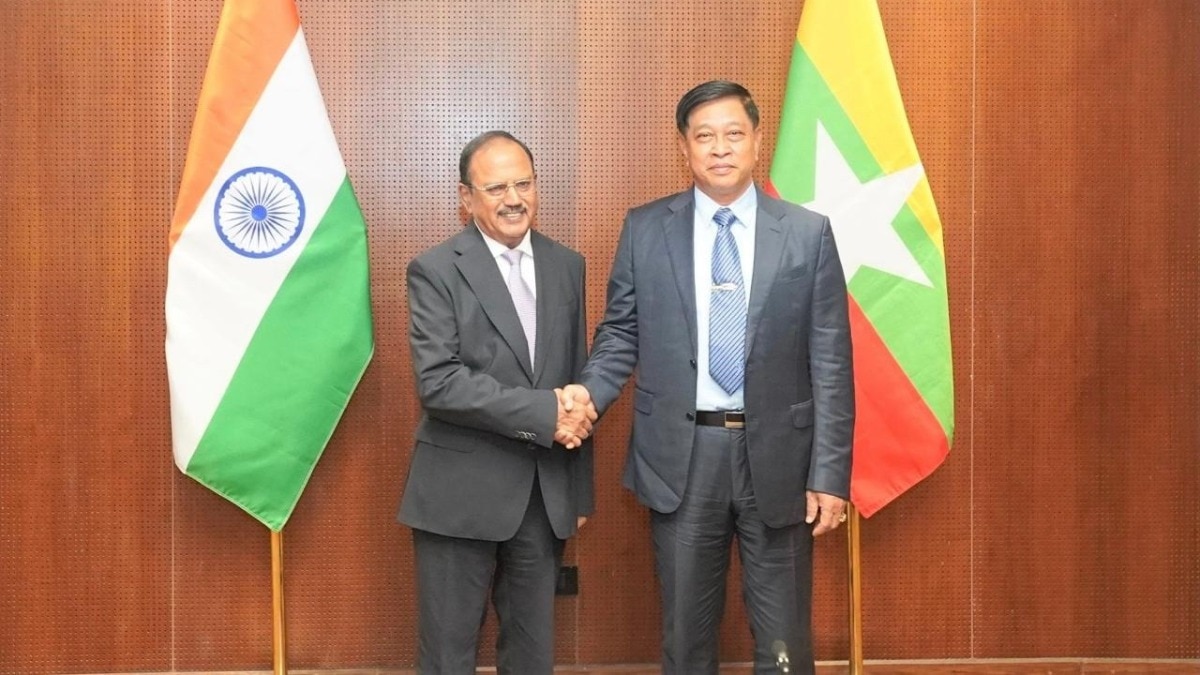
National Security Adviser Ajit Doval used the BIMSTEC security chiefs’ meeting to caution Myanmar’s NSA U Tin Aung San that any anti‑India operations from Myanmar territory must be halted immediately.
Key Takeaways
- Ajit Doval instructed Myanmar’s NSA to curb anti‑India activities on its soil
- The dialogue took place at the BIMSTEC NSA‑level meeting, strengthening regional security cooperation
- India’s concerns focus on insurgent groups, arms smuggling and cross‑border infiltration
New Delhi – National Security Adviser Ajit Doval met Myanmar’s National Security Adviser U Tin Aung San on the sidelines of the fifth BIMSTEC (Bay of Bengal Initiative for Multi‑Sectoral Technical and Economic Cooperation) security chiefs’ summit. The bilateral exchange reviewed existing security cooperation and zeroed in on the volatile dynamics along the India‑Myanmar frontier.
Strategic Role of the BIMSTEC Security Forum
BIMSTEC, linking India, Bangladesh, Myanmar, Sri Lanka, Thailand and Nepal, has increasingly become a pivotal platform for tackling shared security threats. This year’s agenda spotlighted terrorism, narcotics trafficking, cyber threats and border management, urging member states to deepen intelligence sharing and joint operational frameworks.
Delhi’s Explicit Warning to Myanmar
According to official sources, Doval delivered an unmistakable message: anti‑India activities must not be permitted from Myanmar soil. The warning comes amid New Delhi’s heightened vigilance over insurgent outfits that have been using Myanmar’s northern territories as staging grounds for arms smuggling, recruitment, and cross‑border infiltration into Indian states such as Manipur and Nagaland.
Historical Context and Current Challenges
The India‑Myanmar border has a fraught history of security lapses. Between 2015 and 2020, multiple armed groups launched incursions, while illicit arms and human trafficking networks exploited porous stretches of the frontier. Recent political turbulence in Myanmar, coupled with ethnic insurgencies, has further complicated the security calculus, prompting India to adopt a more proactive stance.
Implications for Future Cooperation
India’s use of the BIMSTEC NSA‑level dialogue signals a shift from purely diplomatic overtures to concrete, actionable security collaboration with its eastern neighbours. Doval’s stern admonition underscores New Delhi’s resolve to protect its sovereign interests and curb any external support to anti‑national elements. Analysts contend that if Myanmar heeds the warning, border tensions could ease; however, continued laxity may exacerbate regional instability and embolden transnational threats.