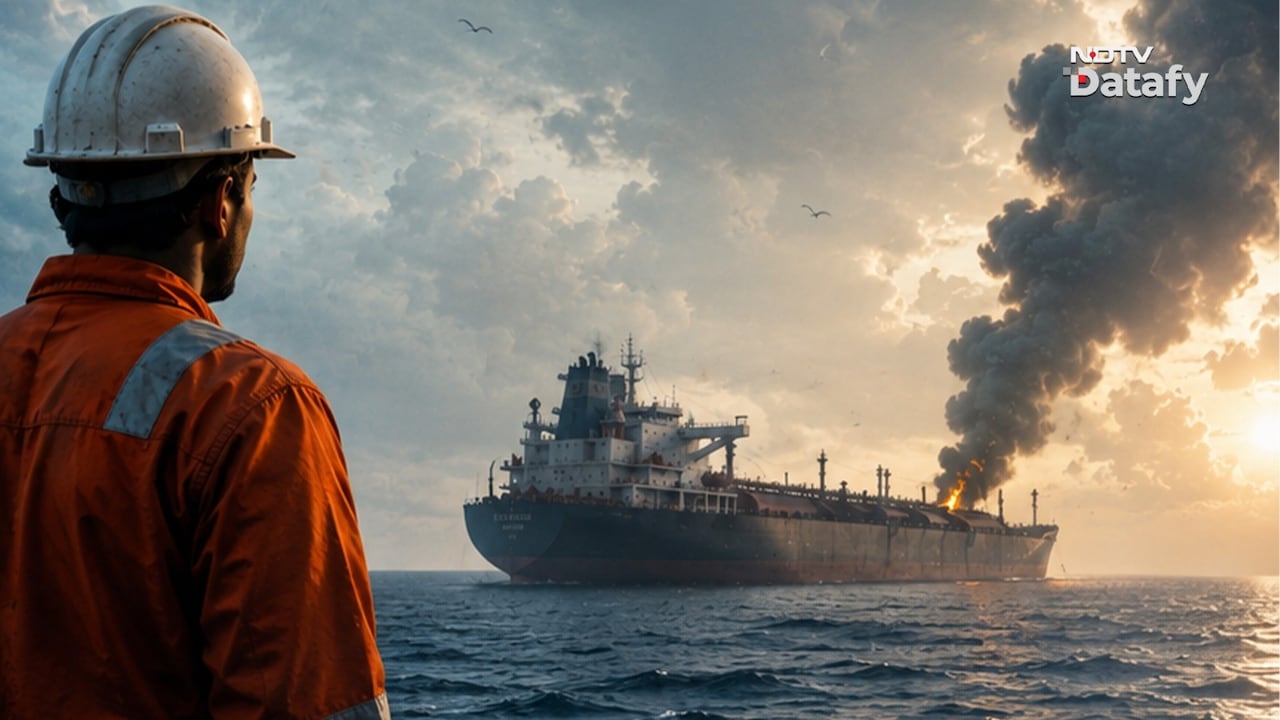
New data reveals that Indians accounted for 7 of the 16 seafarers killed in attacks on commercial vessels in the Strait of Hormuz between March and July 2026.
Key Takeaways
- Indians represented 44% of the total fatalities in recent maritime attacks.
- The crisis occurred in the Strait of Hormuz between March 1 and July 14, 2026.
- The high percentage highlights the vulnerability of the Indian maritime workforce in geopolitical hotspots.
A distressing statistical revelation has emerged regarding the recent maritime security crisis in the Strait of Hormuz. Data indicates that Indians accounted for seven of the 16 seafarers killed during attacks on commercial vessels between March 1 and July 14, 2026. This represents approximately 44 percent of the total fatalities, marking a significant and disproportionate impact on the Indian maritime community.
Geopolitical Volatility and Maritime Vulnerability
The Strait of Hormuz remains one of the world's most critical chokepoints for global energy supplies. The surge in attacks on commercial shipping underscores the heightened geopolitical tensions in the Middle East. As maritime corridors become battlegrounds for regional powers, the civilian crew members—often working far from home—find themselves on the front lines of conflict. The high casualty rate among Indian nationals is a direct consequence of their significant presence in the global merchant navy.
The Human Cost of Global Trade
India is a leading provider of skilled maritime professionals to the global shipping industry. While these seafarers are the backbone of international trade, the recent data highlights the extreme risks they undertake. The loss of seven Indian lives in such a short span is not just a statistic; it represents a profound human tragedy for families in India and a growing concern for the nation's labor welfare in international waters.
Call for Enhanced International Protection
This crisis necessitates an urgent response from the International Maritime Organization (IMO) and global naval powers. There is a pressing need for enhanced security protocols, better intelligence sharing, and more robust protection for commercial vessels navigating high-risk zones. For India, the situation demands proactive diplomatic engagement to ensure the safety and security of its vast seafaring population operating in volatile maritime corridors.