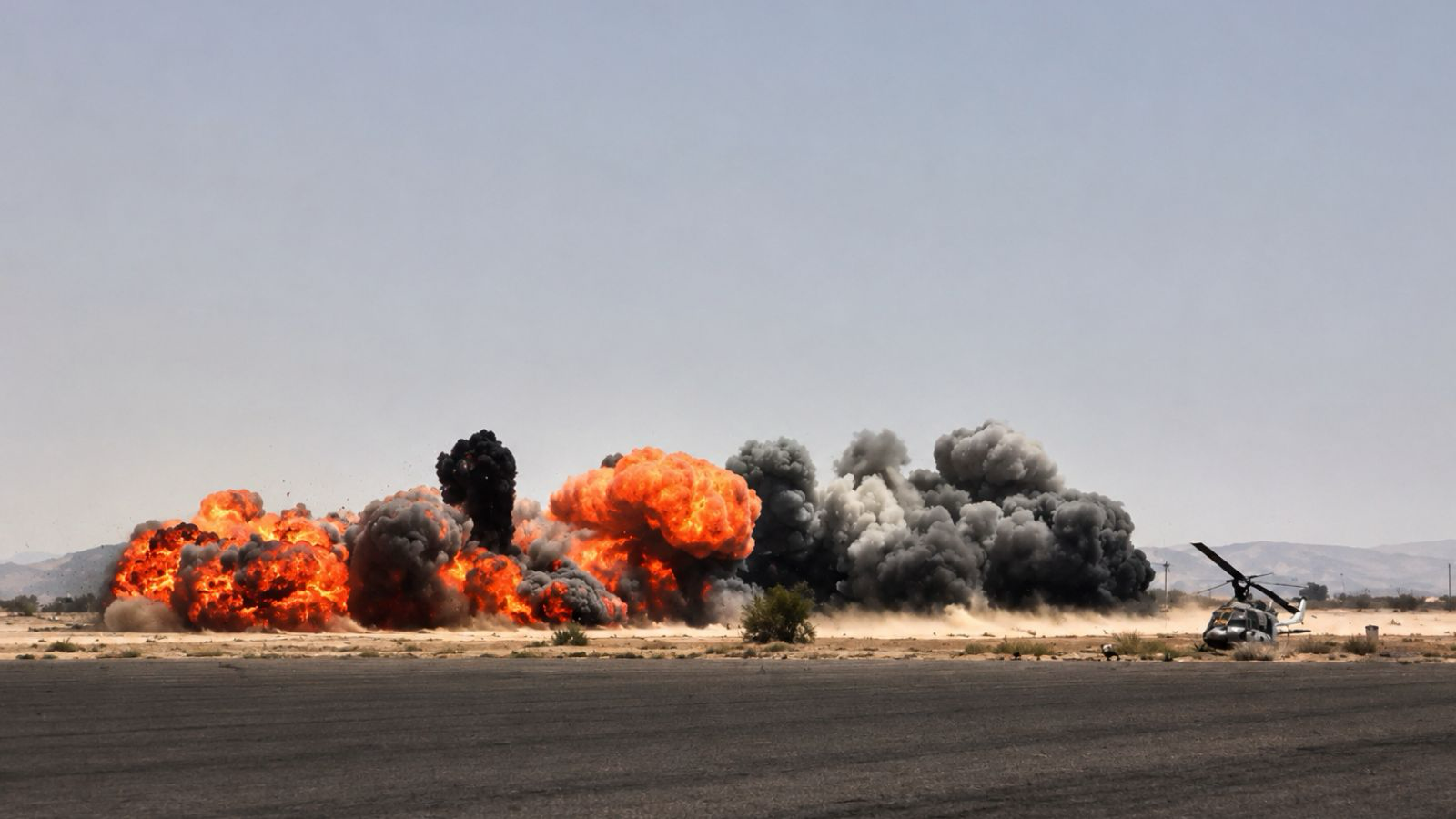
A Houthi missile and drone strike on Saudi Arabia's Abha International Airport led to the cancellation of at least 11 flights. In response, Canada, the UK and the US tightened travel advisories, underscoring rising regional tensions.
Key Takeaways (मुख्य बिंदु)
- Houthi missile‑drone attack on Abha Airport causes over 11 flight cancellations
- Canada, UK and US issue stricter travel advisories for Saudi Arabia
- International travelers, especially Indian workers and pilgrims, face potential disruptions
On July 13, Yemen’s Houthi rebels launched a missile and drone assault on Abha International Airport in Saudi Arabia’s southern region, disrupting air traffic for a second consecutive day. By Wednesday, at least 11 departures—including four to Riyadh, four to Jeddah, two to Dubai and one to Sharjah—were cancelled.
Flight Cancellations in Detail
National carrier Saudia pulled six flights, while low‑cost carrier flyadeal suspended two services to Jeddah. UAE‑based flydubai cancelled its Dubai‑bound flights FZ815 and FZ811, and Air Arabia halted the Sharjah flight G9195, Gulf News reported. These cancellations followed a prior wave of ten flight suspensions on Tuesday, highlighting a growing operational strain.
International Travel Advisories
In reaction to the deteriorating security environment, Canada updated its travel advisory on July 14, urging a high degree of caution across Saudi Arabia and specifically discouraging non‑essential travel to Abha Airport. The advisory also warned against travel within 30 km of the Yemen border and between 30‑80 km of the same border, as well as certain zones in the Eastern Province and near the Iraqi frontier.
Similarly, the United Kingdom maintained a travel advisory that restricts all travel within 10 km of the Saudi‑Yemen border and limits movement between 10‑80 km to essential purposes only. The advisory, refreshed on July 13, cites unpredictable regional security despite a US‑Iran memorandum of understanding.
The United States continues to classify Saudi Arabia under a Level 3 travel advisory, with specific areas designated Level 4 “Do Not Travel” zones. The advisory, originally issued on March 13, references missile and drone threats from Iran‑aligned forces, including the Houthis, and warns of debris from intercepted projectiles.
Houthi Claim and Regional Response
The Houthis claimed the strike was retaliation for Saudi airstrikes on Sana’a International Airport. Saudi air defenses reportedly intercepted the ballistic missiles, and no casualties were reported. The United Nations Security Council convened an emergency session, where Assistant Secretary‑General for Political Affairs Khaled Khiari cautioned against further escalation, stressing that “Yemen and the wider region cannot afford another cycle of escalation.”
Implications for Indian Travelers
Saudi Arabia remains a top destination for Indian expatriate workers and pilgrims. The renewed advisories could disrupt travel plans that rely on Gulf hub connections, prompting Indian authorities and airlines to reassess routing and safety protocols. Continued volatility may also affect the broader perception of safety across the Arabian Peninsula.
Overall, the attack underscores the fragility of aviation security in a volatile region and highlights the need for coordinated diplomatic and operational responses to protect civilian mobility.
