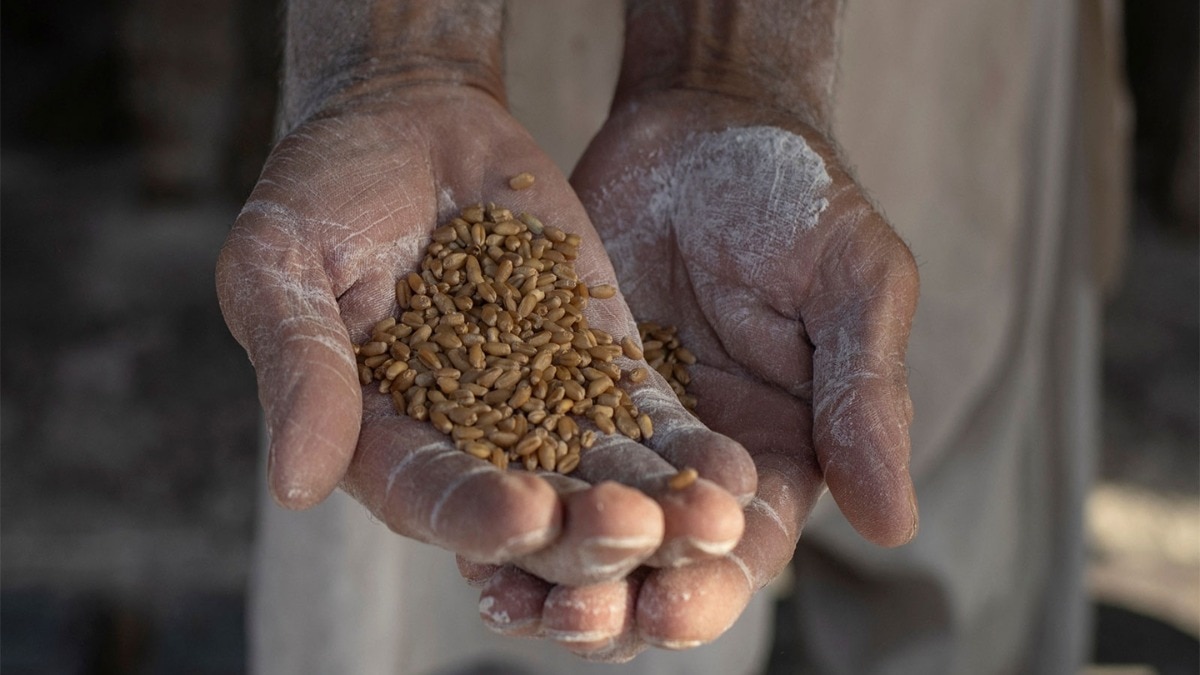
A sudden halt to wheat transport permits by Punjab authorities has left Islamabad and Rawalpindi facing a severe flour shortage. Forty‑five mills are warning of imminent shutdowns, raising fears of black‑market activity and price spikes.
Key Takeaways
- Punjab government abruptly blocked wheat transport permits
- Approximately 8,000 tons of wheat supply halted for Islamabad‑Rawalpindi region
- 45 flour mills on the brink of closure due to depleted stocks
Pakistan’s staple food supply chain is under unprecedented stress. The Punjab Food Department, without issuing any written order, suspended wheat transport permits, leaving 45 major flour mills in Islamabad, Rawalpindi, Mari and Kotli Sattian with near‑empty inventories.
Background and Historical Context
Pakistan has previously grappled with wheat import constraints, notably during the 2018‑2020 period when foreign‑exchange shortages and seasonal floods disrupted deliveries. Those episodes saw sharp price hikes and the emergence of a black market. The current crisis, however, stems primarily from an administrative decision rather than a production shortfall.
Economic and Social Impact
Flour is the backbone of Pakistani nutrition; any prolonged shortage will exacerbate inflation and threaten food accessibility for middle‑ and lower‑income households. Analysts estimate that if the 8,000‑ton wheat flow is not restored within two weeks, market prices could surge by 30‑40 %, while hoarding and speculative trading may intensify.
Political Response and Demands
The Pakistan Flour Mills Association (PFMA) has appealed directly to Punjab Chief Minister Maryam Nawaz for immediate intervention. PFMA’s president Riazullah Khan urged the reinstatement of an online permit system to ensure transparency and curb arbitrary bureaucratic actions.
Future Outlook
Should the government delay corrective measures, Pakistan may be forced to seek emergency grain financing from institutions such as the World Bank or the Asian Development Bank. Politically, the issue could become a flashpoint for opposition parties, who may use it to criticize the ruling coalition’s governance.
Mitigating the crisis requires digitising the permit process, instituting continuous monitoring, and fostering coordination among all supply‑chain stakeholders to restore normal flour availability.


