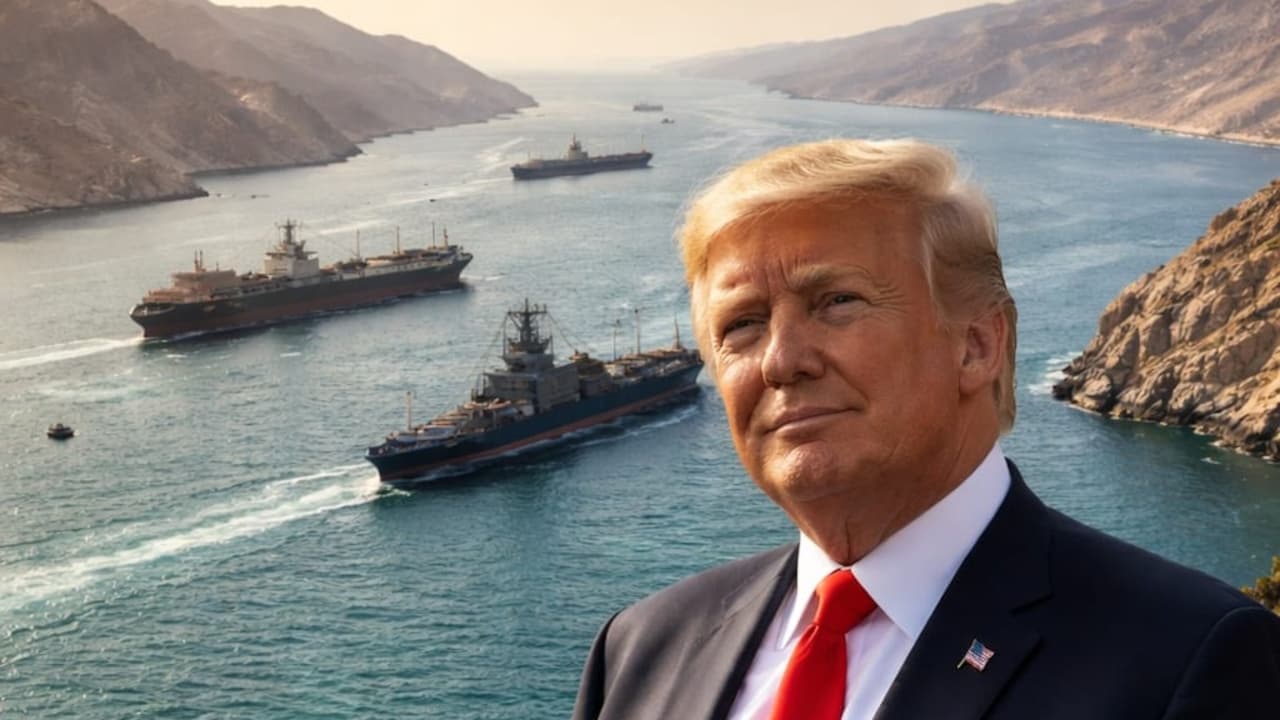
A sudden proposal by Donald Trump to impose a 20% toll on the Strait of Hormuz sparked fears of a global energy crisis, which was neutralized within 24 hours.
Key Takeaways
- Donald Trump proposed a 20% toll on all cargo passing through the Strait of Hormuz.
- The move threatened to trigger a massive spike in global oil and gas prices.
- Gulf leaders and US officials engaged in frantic 24-hour diplomacy to reverse the decision.
- The proposal posed a significant risk to global energy security and geopolitical stability.
In a move that sent shockwaves through global energy markets, US President Donald Trump proposed a 20 percent toll on all cargo traversing the Strait of Hormuz. While intended as a revenue-generating measure, the proposal was viewed by economists and diplomats as a potential catalyst for a global economic meltdown.
The Threat to Global Energy Stability
The Strait of Hormuz is arguably the world's most critical maritime chokepoint, facilitating the transit of a significant portion of the world's petroleum supplies. Analysts warned that imposing such a steep levy would inevitably lead to a surge in crude oil and natural gas prices. Such a spike would have exacerbated inflationary pressures globally, potentially destabilizing both emerging and developed economies, including the United States itself.
A Masterclass in Rapid Diplomacy
According to reports from CNN, the announcement triggered an immediate and intense behind-the-scenes diplomatic offensive. Senior officials and allies from the Gulf region mobilized rapidly to convince the White House of the catastrophic implications of the decision. The goal was to prevent a geopolitical fallout that could alienate key strategic partners in the Middle East. Through high-stakes negotiations and urgent briefings, these leaders managed to stall and ultimately dismantle the proposal within a mere 24-hour window.
Strategic Implications for the Future
This episode underscores the immense leverage held by Gulf nations over the global energy architecture. It also highlights the tension between populist economic policies and the realities of international maritime law and energy security. The ability of regional leaders to neutralize a US presidential directive so swiftly demonstrates the sophisticated nature of modern geopolitical maneuvering in the energy sector.