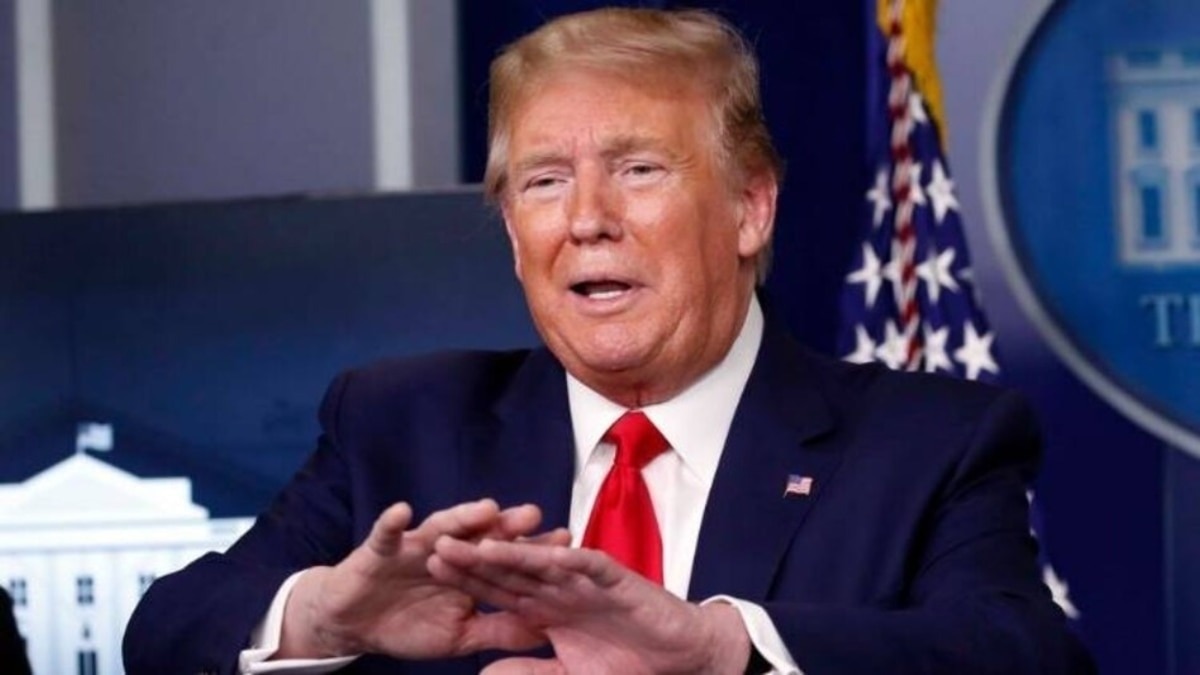
U.S. President Donald Trump announced that Iran is looking for a settlement with Washington but must behave responsibly. He warned that continued hostility could see Iran defeated soon, underscoring the fragile state of U.S.-Iran relations.
Key Takeaways
- Iran signals willingness to negotiate with the United States
- Trump demands "proper behavior" and warns of swift defeat
- U.S. launches a second wave of strikes on Iranian coastal defenses
President Donald Trump told a media interview on Wednesday that Iran wants to meet with the United States and is interested in reaching a settlement, but it must "behave". The comment arrives amid a long‑standing rivalry marked by disputes over regional security, Iran’s nuclear program, and control of the strategic Strait of Hormuz.
Historical Context
The U.S.–Iran relationship has been fraught since the 1979 Islamic Revolution. The 2015 Joint Comprehensive Plan of Action (JCPOA) temporarily curbed Tehran’s nuclear ambitions, but the Trump administration withdrew from the deal in 2018, reinstating crippling sanctions. Since then, diplomatic channels have been largely closed, and periodic flare‑ups have kept both capitals on edge.
Trump’s Statement and Its Implications
“We’ll find out if we settle with them, but they better behave,” Trump said, adding that Iran would be “defeated soon” if hostilities continue. The remarks convey two clear messages: acknowledgment of Iran’s expressed desire for dialogue, and a stark warning that any continued aggression will meet decisive U.S. force.
Escalation on the Ground
Simultaneously, U.S. forces launched a second wave of strikes targeting Iranian coastal defense systems, missile launch sites, and other assets Washington claims threaten commercial shipping through the Hormuz corridor. This follow‑up operation came after an earlier strike the same day, marking a notable escalation in the conflict.
Future Outlook
If diplomatic overtures materialize, both sides will have to negotiate a delicate balance between security guarantees and sanctions relief. Conversely, a continued military surge could deepen the Middle‑East’s economic and humanitarian crises, prompting broader international calls for mediation. The evolving scenario underscores the importance of multilateral engagement to prevent a full‑scale confrontation.


