Amid rising Iran‑U.S. tensions, the White House is weighing an extension of the Jones Act waiver to keep energy prices in check. Allowing foreign vessels to move cargo between U.S. ports could blunt a potential spike in fuel costs.
Key Takeaways
- White House considers extending the Jones Act waiver
- Iran‑U.S. tensions risk disrupting oil shipments through the Strait of Hormuz
- Extension could stabilize U.S. fuel prices
The Biden‑Trump administration is reviewing whether to prolong the temporary waiver that relaxes the Jones Act, a move driven by fears that renewed conflict with Iran could choke oil flows and push domestic fuel prices higher. Two sources familiar with the discussions told Reuters that senior officials from the White House, Energy, Transportation and Interior departments met earlier this week to outline options before a decision expected by the end of July.
What the Jones Act Entails
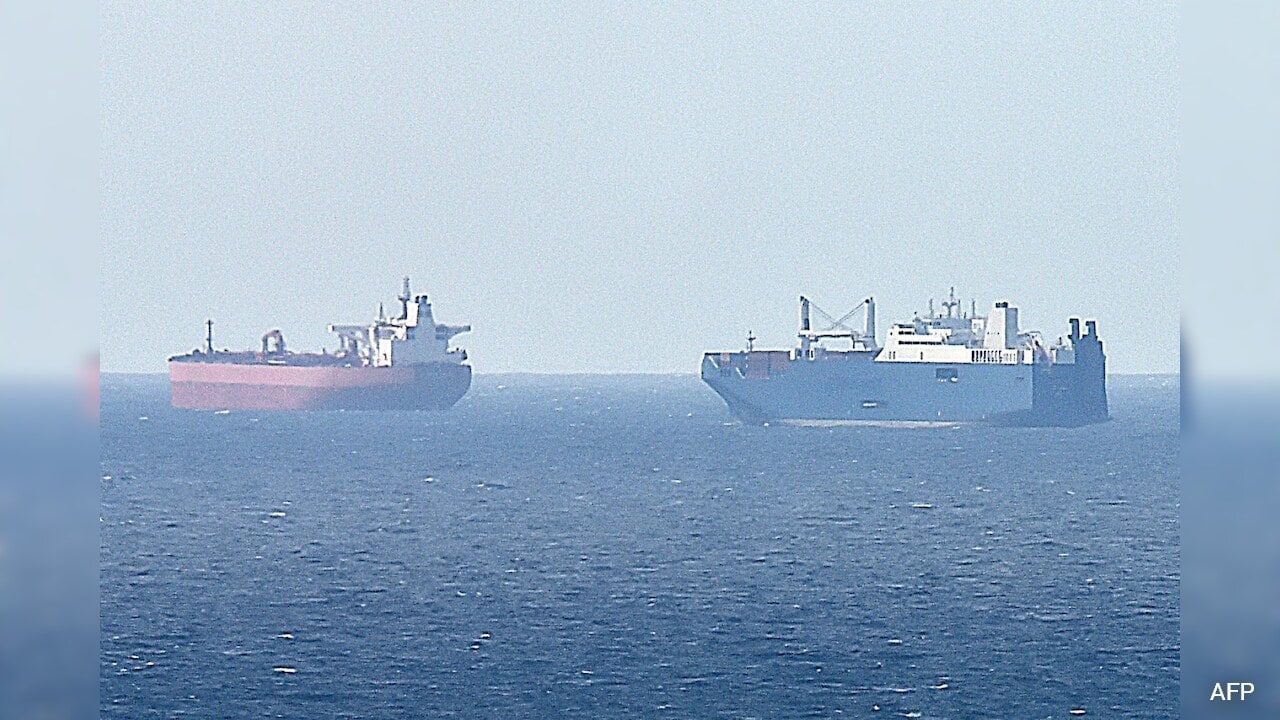
Enacted in 1920 as the Merchant Marine Act, the Jones Act mandates that cargo shipped between two U.S. ports be carried on vessels built in the United States, owned by U.S. companies, registered under the U.S. flag and crewed primarily by U.S. citizens or permanent residents. While intended to protect the domestic maritime industry and national security, the law can become a bottleneck during emergencies, limiting the pool of ships that can move essential commodities.
Iran‑U.S. Tensions and Energy Supply Chains
Escalating hostilities between Tehran and Washington have raised the specter of disruptions in the Strait of Hormuz, a chokepoint through which a sizable share of the world’s oil passes. Should the strait become contested, the United States may need to shift crude, gasoline, diesel or LNG quickly between its own ports. The Jones Act restricts such movements to a relatively small fleet of U.S.-qualified vessels, potentially inflating shipping costs and slowing fuel distribution.
Economic Implications of a Waiver Extension
A waiver temporarily permits foreign‑flagged ships to transport cargo between U.S. ports, expanding capacity and lowering freight rates. Analysts estimate that without an extension, domestic fuel prices could climb 5‑10% over the next quarter, feeding inflationary pressures across the economy. Conversely, a renewed waiver could cushion consumers from abrupt price spikes and ease supply‑chain stress.
Policy Outlook
The current waiver remains in effect until August 16, and officials have not yet committed to a third extension. Any decision will need to balance maritime industry concerns, Republican criticism, and the strategic imperative of keeping energy markets stable amid geopolitical volatility. The administration’s next move will signal how it prioritizes national security against market stability in a turbulent global environment.