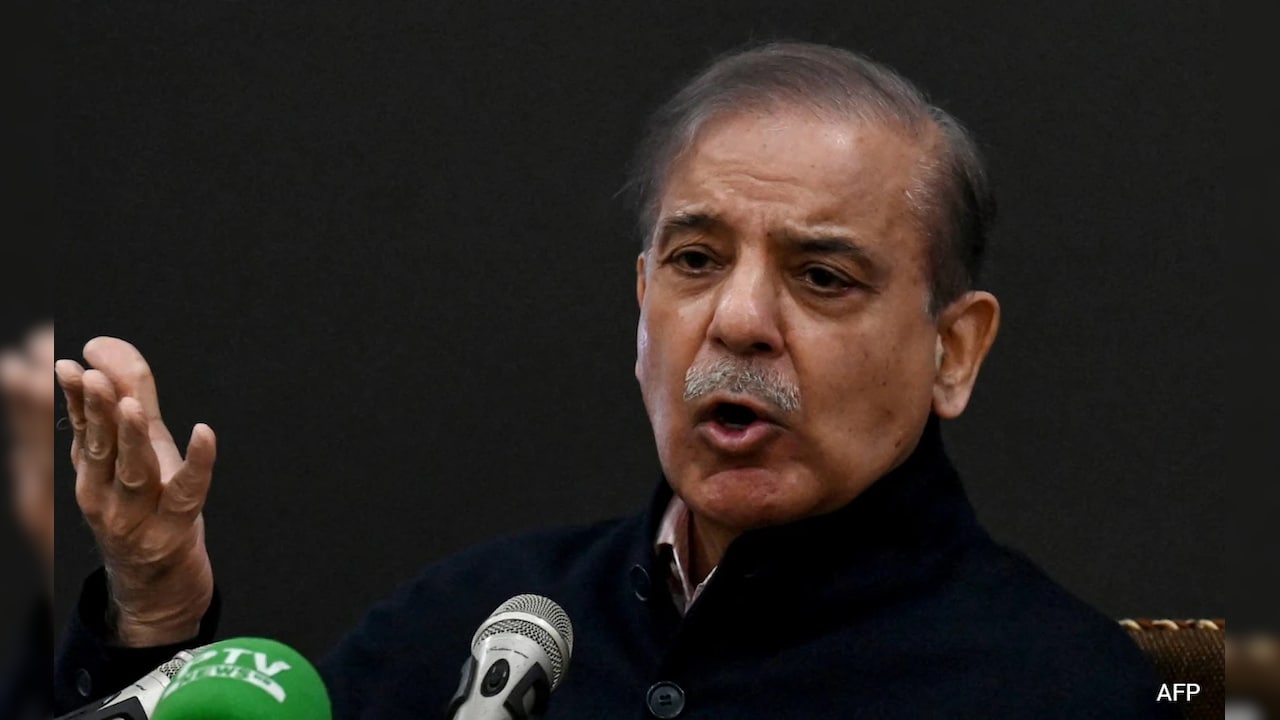
The EU highlighted that Pakistan received about €732 million in tariff exemptions, but simultaneously raised serious concerns over human‑rights violations. Islamabad now faces pressure to demonstrate genuine accountability for these abuses.
Key Takeaways
- Pakistan earned roughly €732 million in EU tariff exemptions last year.
- The EU expressed deep concern over persistent human‑rights violations in Pakistan.
- Future trade privileges may be re‑evaluated or withdrawn if reforms are not implemented.
The commercial link between the European Union and Pakistan rests on the Generalised Scheme of Preferences (GSP+), a programme that grants low‑income countries reduced tariffs and market access in exchange for adherence to core human‑rights, labour and environmental standards. In the 2023‑24 fiscal year, Pakistan benefited from approximately €732 million in tariff relief, giving its exports a competitive edge in European markets.
EU‑Pakistan Trade Framework
GSP+ is not merely a financial instrument; it is conditioned on compliance with a set of democratic norms. The European Commission periodically reviews these conditions, and this year a joint assessment with the EU’s foreign policy arm presented a stark picture of Pakistan’s rights record.
EU Joint Assessment Findings
The combined report warned that freedoms of expression, press independence, and minority rights are under systematic pressure. Specific concerns included erosion of judicial independence, misuse of anti‑terror laws to silence dissent, and documented harassment of civil‑society activists.
Pakistani Government’s Response
Facing mounting international scrutiny, Islamabad asserted its “commitment” to reforms while emphasizing that EU trade benefits are vital for its economy. Analysts argue that genuine accountability will require more than rhetoric—it must translate into concrete judicial reforms, media liberalisation, and protection of vulnerable groups.
Implications for EU Trade Policy
Should Pakistan fail to meet the stipulated standards, the EU may suspend or revoke the GSP+ tariff exemptions. Such a move would not only curtail Pakistan’s export revenues but also send a strong signal to other developing partners about the enforceability of the EU’s rights‑linked trade agenda.
Path Forward
For Pakistan to retain its trade privileges, it needs to align its domestic legislation with international benchmarks, strengthen judicial independence, and broaden space for free media and civil society. Only then can the EU‑Pakistan partnership evolve from a transactional arrangement into a sustainable model of economic growth coupled with social progress.
