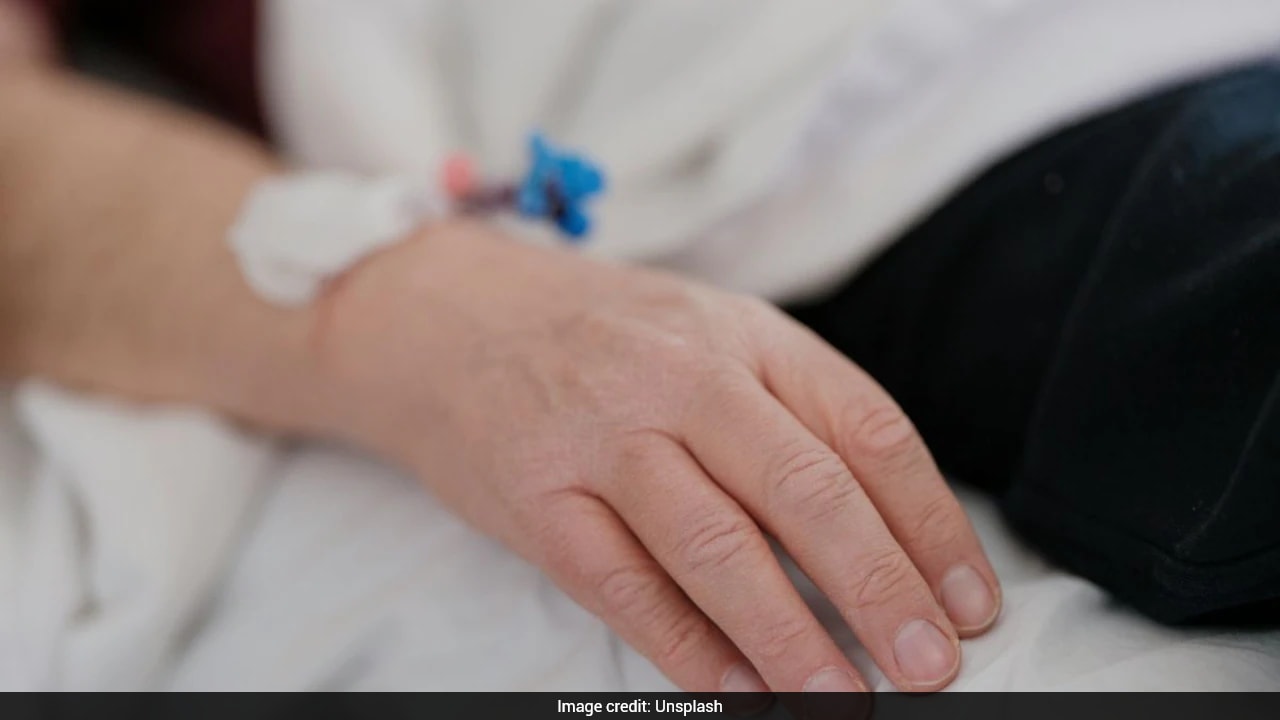
In a landmark legislative move, France has approved a bill allowing assisted dying for terminally ill patients. The decision marks a seismic shift in the nation's approach to end-of-life care.
Key Takeaways
- France has passed a historic bill legalizing assisted dying under strict medical conditions.
- Eligibility is restricted to patients aged 18 and above suffering from incurable illnesses.
- The move marks a significant departure from the nation's traditional Catholic values.
- Strict protocols will be implemented to ensure decisions are made autonomously and without coercion.
In a move that has sent shockwaves through both political and religious circles, France has officially approved a historic bill regarding assisted dying. After years of intense debate involving legal experts, medical professionals, and theologians, the nation is poised to redefine the boundaries of end-of-life autonomy. This legislative milestone provides a pathway for terminally ill individuals to seek a dignified end to their suffering.
A Nation Divided: The Moral Tug-of-War
France, a country with deep-seated Catholic roots, has long been a battlefield for the debate over the sanctity of life versus the right to die. For decades, the tension between religious doctrines—which view life as an inviolable gift—and secular humanism—which emphasizes individual autonomy—has shaped French social policy. The approval of this bill signifies a decisive tilt toward the secular argument, prioritizing patient agency in the face of terminal suffering.
Legal Framework and Eligibility Criteria
The new legislation is not a blanket permission for euthanasia but is governed by rigorous safeguards. To qualify, a patient must be at least 18 years old and must suffer from an incurable condition that causes intense and irremediable physical or psychological suffering. Furthermore, the process requires comprehensive medical validation to ensure that the patient's request is voluntary, informed, and free from any external influence or temporary mental distress.
Global Implications and Medical Ethics
The decision in France is expected to trigger a ripple effect across Europe and the wider international community. While proponents argue that this is a compassionate response to modern medical realities, critics raise concerns about the 'slippery slope'—the fear that legalizing assisted dying could eventually lead to the devaluation of life for the elderly or disabled. Medical associations are now tasked with the complex challenge of integrating this practice into clinical workflows while upholding the foundational oath to 'do no harm.'