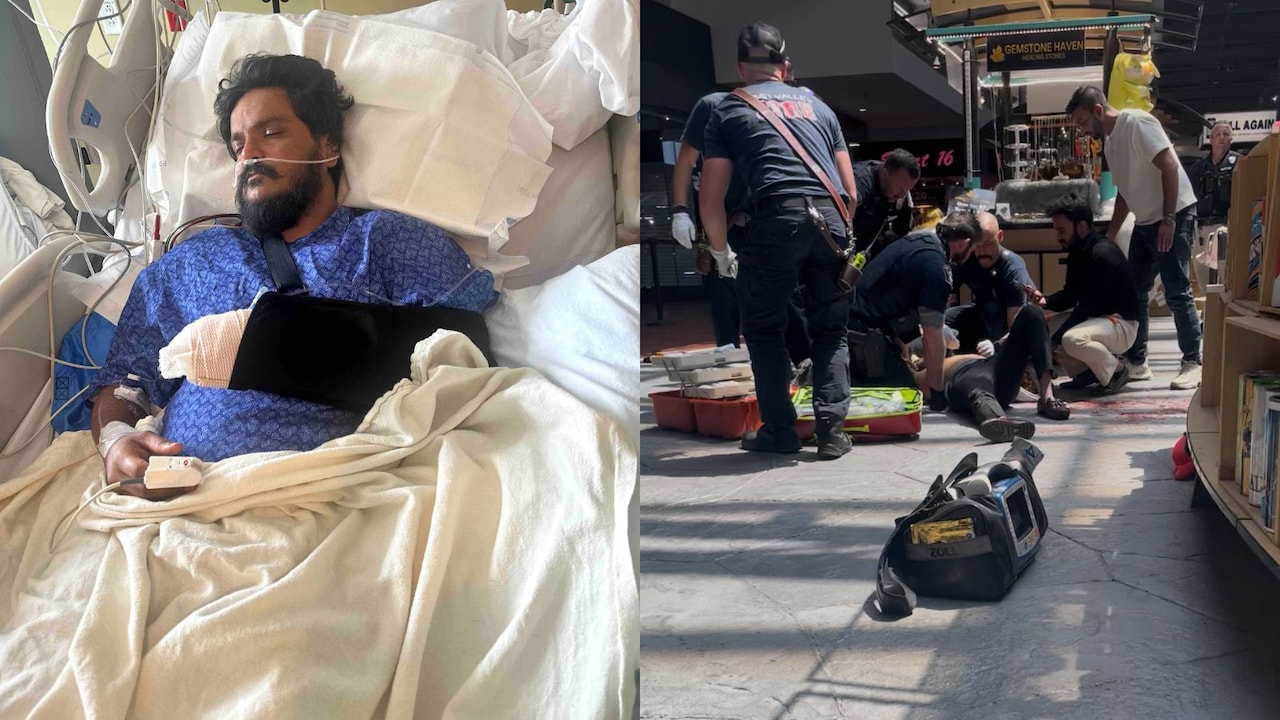
A disturbing stabbing incident in Utah targeting Syed Sohailuddin has sparked intense debate over the rising safety of the Indian diaspora in the US.
Key Takeaways
- Syed Sohailuddin was stabbed in a targeted attack in Utah, USA.
- The assailant confessed to the crime, citing religious hatred and an intent to target Muslims.
- The incident has heightened security concerns for the Indian and minority communities in the United States.
A chilling incident of targeted violence has emerged from Utah, USA, where a man identified as Syed Sohailuddin was brutally stabbed. What initially appeared to be a random act of violence has now been revealed as a premeditated hate crime driven by religious extremism. The incident has sent shockwaves through the Indian diaspora and has reignited the global conversation regarding the safety of minorities in Western nations.
The Motive: A Manifestation of Radicalization
During the police investigation, the suspect made a series of disturbing admissions that underscore the gravity of the situation. The assailant explicitly told law enforcement that he acted because he believes he is a "catalyst" and expressed a calculated intention to kill Muslims. This admission points toward a deeply rooted ideological radicalization, moving the crime from a simple assault to a significant hate crime driven by systemic Islamophobia.
Impact on the Indian Diaspora and Global Safety Concerns
For the millions of Indian-Americans and residents of Indian origin living in the United States, this event serves as a grim reminder of the vulnerabilities they face. While the US has historically been a sanctuary for immigrants, the recent uptick in racially and religiously motivated attacks has created a palpable sense of anxiety. Legal experts and community leaders are now demanding more stringent monitoring of extremist ideologies and faster judicial responses to hate-motivated violence.
The Broader Sociopolitical Context
The Utah stabbing is not an isolated phenomenon but rather a symptom of a larger, more complex sociopolitical trend. The rise of extremist rhetoric in various parts of the world has often translated into localized acts of violence. As the world becomes increasingly interconnected, the safety of diaspora communities remains a critical barometer for the health of democratic values and social cohesion in the West. The international community is closely watching how US authorities handle this case to ensure justice is served and to prevent further escalations.


