Donald Trump's ambitious Gaza rebuilding blueprint has been dramatically reduced, now focusing on a limited pilot settlement near Rafah instead of a comprehensive reconstruction of the enclave. Ongoing conflict and political uncertainty continue to stall progress.
Key Takeaways (मुख्य बिंदु)
- Trump's original Gaza reconstruction vision trimmed to a pilot camp near Rafah
- Continued hostilities and upcoming Israeli elections delay implementation
- International Stabilization Force and Palestinian police training remain in early stages
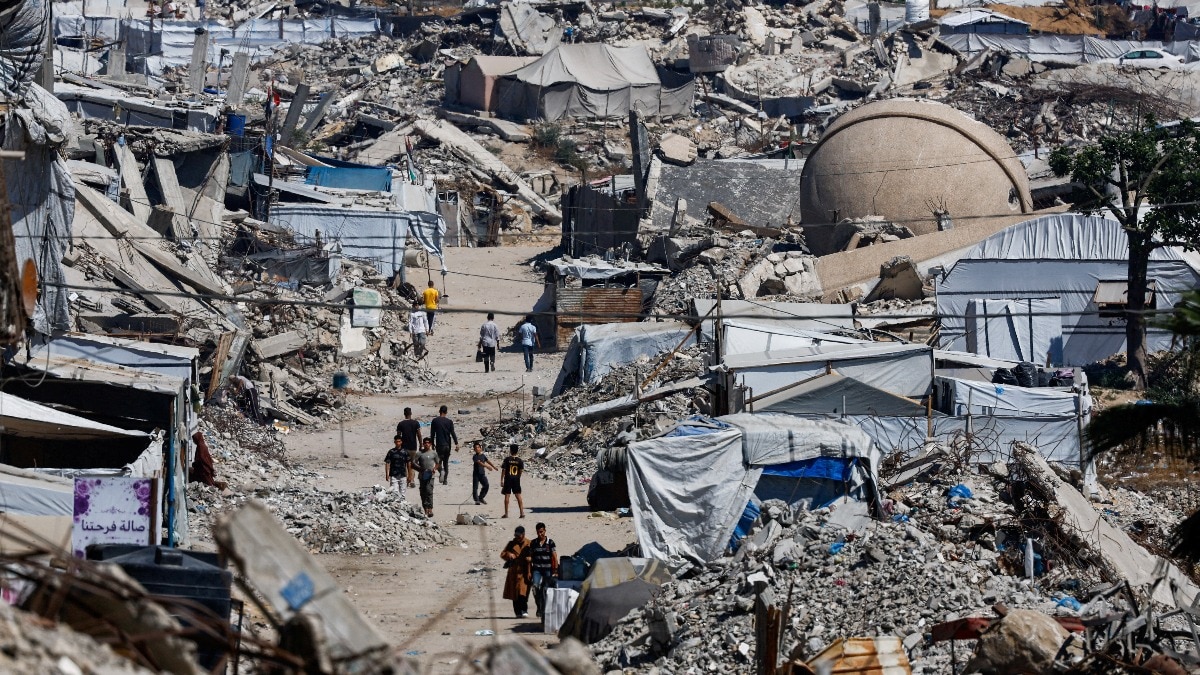
When President Donald Trump unveiled his "Board of Peace" (BoP) plan earlier this year, the world expected a sweeping 100‑day roadmap to restore hospitals, water, electricity, sewage systems, and everyday life across war‑torn Gaza. The proposal promised to reopen aid corridors, rebuild critical infrastructure, and usher in a new era of stability. Yet, as reported by The Guardian, the latest iteration has been pared down to a modest pilot camp near the southern border town of Rafah, intended to shelter only a fraction of the two‑million displaced Palestinians.
From Grand Vision to Limited Pilot
The original blueprint was a bold attempt to reconstruct an entire territory within months. By contrast, the revised plan now targets a temporary settlement of portable housing units for just tens of thousands of refugees. The camp would be overseen by a newly‑formed Palestinian civil administration, a specially vetted police force, and an International Stabilization Force (ISF) tasked with maintaining security. This narrow focus signals a pragmatic shift, acknowledging the harsh realities on the ground.
Obstacles: War and Politics
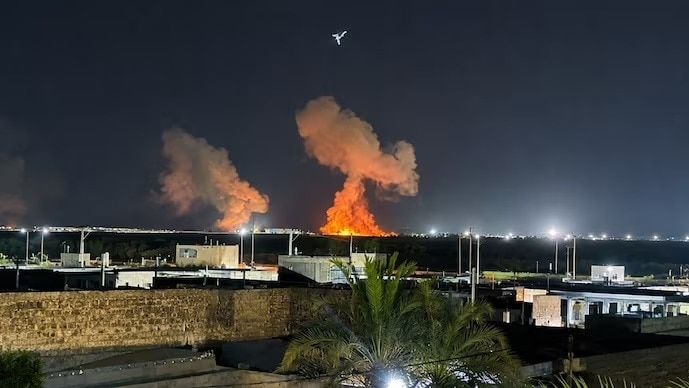
The biggest impediment remains the ongoing war. Although a Trump‑brokered cease‑fire took effect in October, Israel has repeatedly launched military operations inside Gaza, freezing most reconstruction activities. Western diplomats quoted in the report argue that meaningful rebuilding is unlikely without a political change in Israel following the scheduled elections on October 27. Until then, only limited progress can be expected.
Security Force on Paper
Early steps have been taken: a handful of officers from Morocco and Kosovo have arrived in Israel, poised to become the first members of the ISF. A logistics hub near the Kerem Shalom crossing is nearing completion. However, satellite imagery shows only disturbed soil—no permanent structures—indicating that the actual camp construction has yet to commence. Training for the proposed Palestinian police force remains pending, and the envisioned 5,000‑strong ISF is now projected at roughly a quarter of its original size.
Criticism and Controversy
The scaled‑down proposal has drawn criticism from multiple quarters. Former Israeli Prime Minister Ehud Olmert reportedly labeled the Rafah camp a "concentration camp in the making," a characterization the Board of Peace rejects, insisting residents will be free to move in and out. The Palestinian Authority has also objected to using billions of dollars in Palestinian tax revenues, currently held by Israel, to fund parts of the project, arguing those funds are not Israeli assets to be bargained over.
Future Outlook
Experts agree that a comprehensive reconstruction of Gaza hinges on a durable peace settlement and a clear Israeli withdrawal strategy. If hostilities resume before Israel’s elections, even the modest pilot could collapse. International actors must therefore balance humanitarian aid with vigorous diplomatic efforts to secure a lasting cease‑fire and a political framework that enables genuine rebuilding.