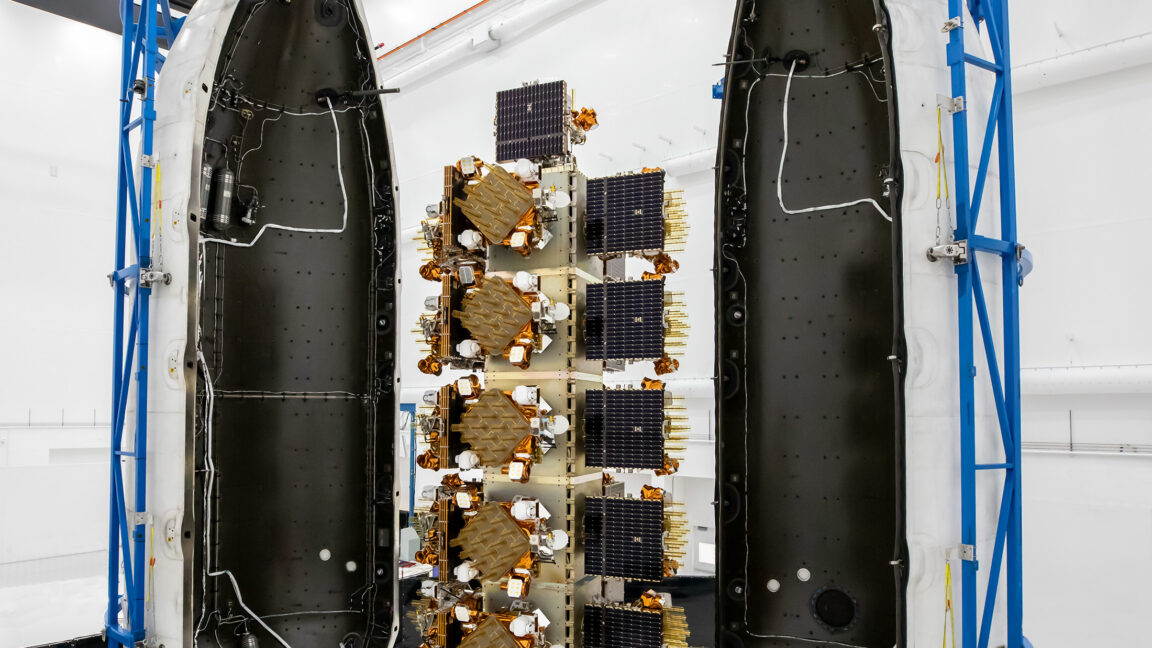
The Space Development Agency (SDA) has launched its first operational satellite batch after seven years, while the Pentagon intends to dissolve the agency and merge it into the Space Force procurement pipeline. Congress has backed the closure in the National Defense Authorization Act.
Key Takeaways
- SDA was created in 2019 to accelerate military satellite deployment.
- After seven years, its first operational satellite batch has been launched.
- The Pentagon plans to dissolve SDA and fold it into the Space Force procurement pipeline.
Space Development Agency (SDA) was established in 2019 by the U.S. Department of Defense to bypass the Pentagon’s traditionally sluggish bureaucracy and speed up the deployment of space‑based weapons systems. The move was driven by the need to keep pace with rapidly advancing rival capabilities.
Seven years later, SDA finally achieved a milestone by launching its first operational satellite batch under Operation Epic Fury. These satellites provide real‑time data, advanced communications, and tracking capabilities that could make space a decisive battlefield in future conflicts.
Just as the constellation is taking shape, the Pentagon announced plans to shut down the semi‑autonomous agency and integrate its functions into a newly reorganized Space Force acquisition structure. Both houses of Congress have endorsed the closure in drafts of this year’s National Defense Authorization Act, effectively ending SDA as a separate entity.
Historical Background
The United States has maintained a complex space infrastructure since the Cold War, creating agencies such as the National Reconnaissance Office (NRO) and later establishing the Space Force as an independent military branch in 2019. However, the need for a dedicated, fast‑moving acquisition office led to the birth of SDA, which was granted special contracting authorities to cut through traditional procurement delays.
Comparison Table
| Aspect | SDA (Current) | Space Force (Future) |
|---|---|---|
| Management | Semi‑autonomous, directly under the Pentagon | Under Space Force’s procurement division |
| Decision‑making speed | Rapid, with special contract authority | Coordinated across multiple program executives |
| Budget control | Dedicated SDA budget | Integrated into overall Space Force defense budget |
“Closing SDA and folding its capabilities into the Space Force is a strategic move to make America’s space power more organized and cost‑effective.” – Dr. Ellen McDonald, defense security analyst
Why This Matters (इसके मायने क्या हैं)
According to BozokMedia analysis, merging SDA into the Space Force procurement pipeline promises potential cost savings and faster program execution, which are crucial as the United States faces intensified competition from China and Russia in orbit.
For everyday citizens, the restructuring could translate into more reliable satellite‑based communications, navigation, and national‑security services. If the new framework delivers on its promises, the nation will benefit from quicker response times during emergencies and stronger protection of critical space assets.
Frequently Asked Questions (अक्सर पूछे जाने वाले प्रश्न)
Question 1: Why is the SDA being shut down?
Answer: Congress and the Pentagon believe folding SDA into the Space Force’s broader acquisition process will reduce costs and accelerate project delivery.
Question 2: Will the newly launched satellites continue operating?
Answer: Yes, the satellites will remain active, but their management will transition to the Space Force.