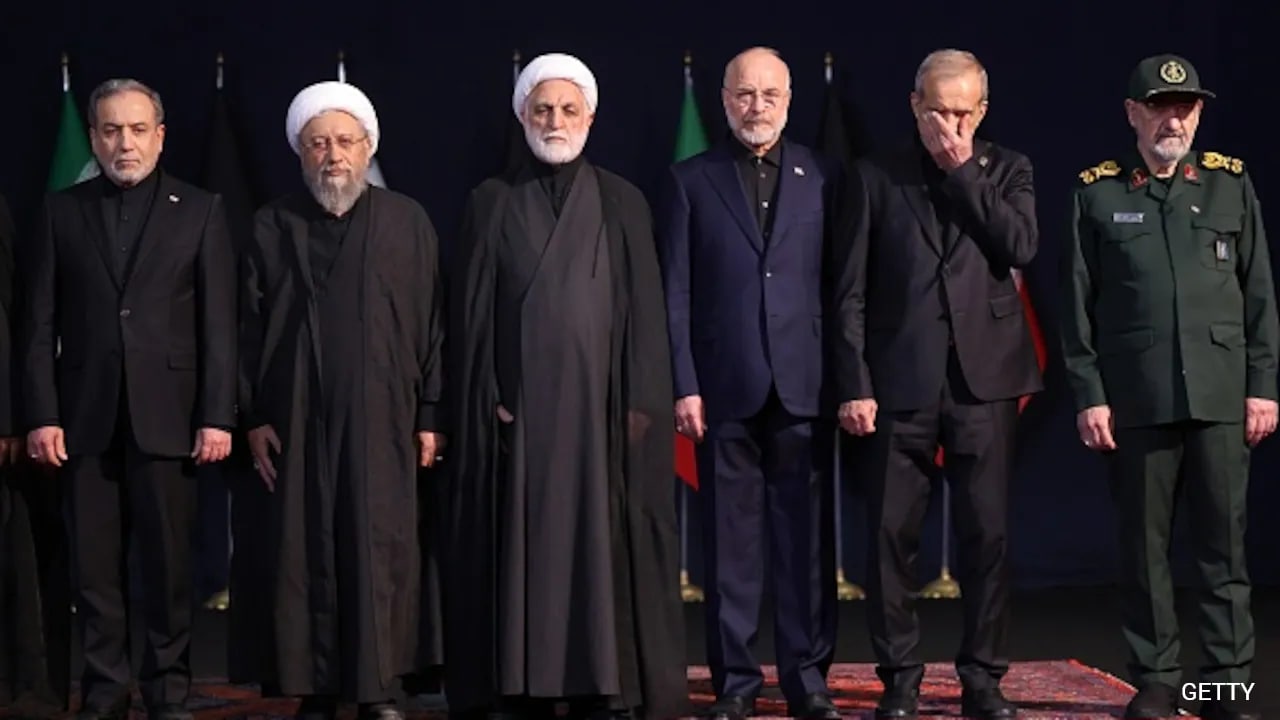
The anger displayed at Ayatollah Khamenei's funeral has spilled into Iran's political arena. Hardliners claim the government is sidelining parliament, ignoring the Supreme Leader's directives during US talks, and weakening revolutionary institutions.
Key Takeaways
- Hardliners accuse leaders of marginalising parliament
- US negotiations allegedly ignore Supreme Leader's orders
- Claims label recent moves as a false coup attempt
The fury that erupted at Ayatollah Khamenei's funeral is now reverberating through Iran's political establishment. Senior hardliners have publicly alleged that the president and foreign ministry have pushed parliament aside while engaging in talks with the United States, contravening the direct instructions of the Supreme Leader. They warn that such conduct threatens the core revolutionary institutions of the Islamic Republic.
Historical Background
Since the 1979 Islamic Revolution, Iran’s constitution has vested ultimate authority in the Supreme Leader, while the elected parliament (Majlis) retains legislative oversight. Over the past two decades, a persistent tug‑of‑war has unfolded between hard‑line clerics and reform‑oriented administrations, especially over nuclear negotiations and economic sanctions. In 2023, similar accusations of “coup‑like” behaviour surfaced, but this is the first time hardliners have openly branded the government’s diplomatic approach as a false coup.
Why This Matters (इसके मायने क्या हैं)
According to BozokMedia analysis, if hardliner rhetoric gains traction, Iran’s internal governance could become fragmented, amplifying economic hardship for citizens already strained by sanctions. Bypassing parliament and disregarding the Supreme Leader’s mandates may erode institutional checks, leading to policy volatility.
On the international front, a hardened stance in US talks could deepen diplomatic isolation, affect oil markets, and destabilise regional security dynamics. The ripple effect may influence global energy prices and recalibrate geopolitical alliances across the Middle East.
"This schism signals a rebalancing of institutional power rather than a fleeting protest," says political analyst Dr. Farid Mohammadi.
Comparison Table
| Aspect | Hardliners' Claim | Government Response |
|---|---|---|
| Parliamentary Role | Parliament being sidelined | Parliament consulted on key policies |
| Supreme Leader's Orders | Ignored in US talks | Orders respected and implemented |
| Coup Narrative | Labelled as false coup | Actions framed as national interest |
Frequently Asked Questions (अक्सर पूछे जाने वाले प्रश्न)
Q1: Is this accusation a genuine indication of a coup?
A: No concrete evidence has surfaced; it appears to be political posturing rather than an actual plot.
Q2: How could this dispute affect Iran’s economy?
A: Escalating political turmoil could deter foreign investment and exacerbate monetary instability, worsening economic pressures.


