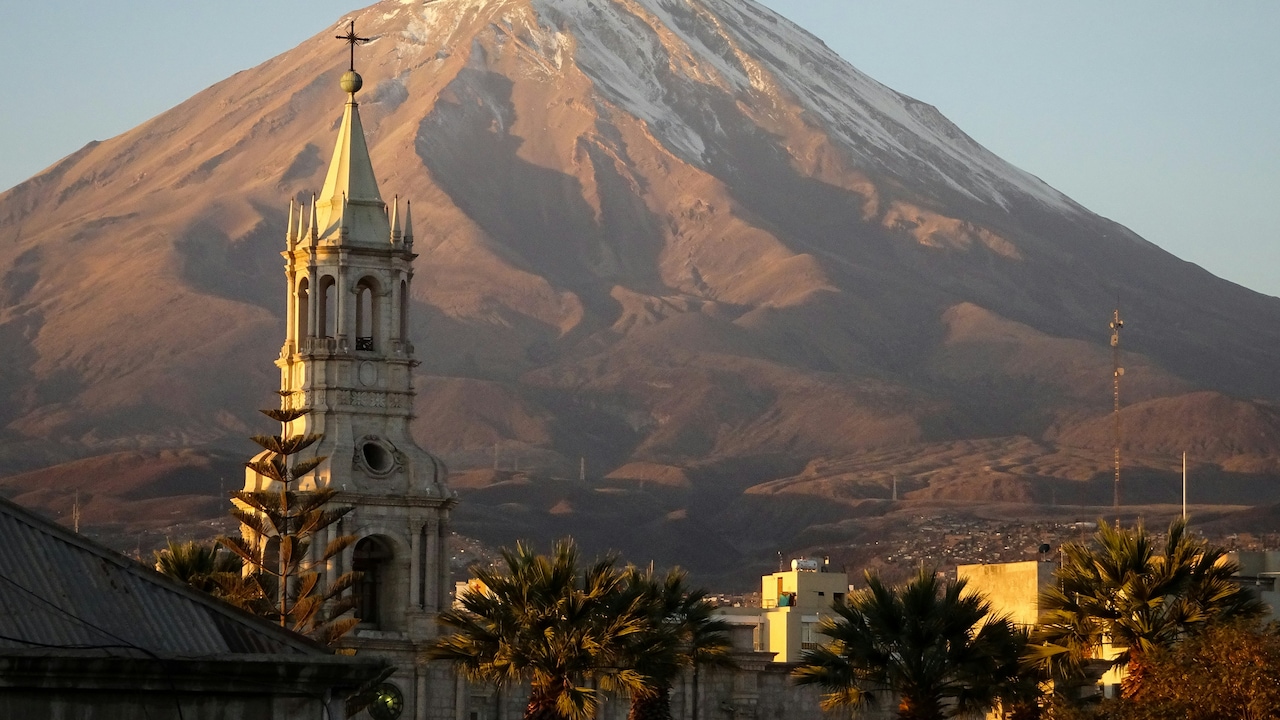
A 5.5 magnitude earthquake struck the Andes region of Peru, leaving at least five dead. The incident underscores the country's position within the seismically active Pacific Ring of Fire.
Key Takeaways (मुख्य बिंदु)
- 5.5 magnitude earthquake hit Peru's Andes
- At least five fatalities reported
- Epicenter located 2 km WSW of Sicaya, 10 km depth
The US Geological Survey (USGS) reported that the quake occurred on Saturday at 9:24 pm, with its epicenter 2 kilometres west‑southwest of the city of Sicaya in Huancayo province and a focal depth of roughly 10 kilometres. Initial figures indicate at least five people lost their lives, with many more injured and infrastructure damaged.
Peru lies on the Pacific "Ring of Fire," a zone of intense tectonic activity where the Nazca Plate subducts beneath the South American Plate. Historically, the nation has endured devastating tremors, most notably the 1970 Ancash earthquake (magnitude 8.0) that claimed over 70,000 lives. Frequent moderate‑size quakes are common, but this event’s casualty count has raised alarms among local authorities.
Emergency response teams were swiftly mobilised by the civil defense agency, and rescue operations continue across the affected districts. The government has pledged medical aid, temporary shelters, and essential supplies, while urging residents to stay alert for possible aftershocks.
"Peru's position along a convergent plate boundary makes it one of the most seismically active regions on the planet," said Dr. Luis Ramirez, a seismologist at the National Institute of Geophysics.
Why This Matters (इसके मायने क्या हैं)
BozokMedia analysis shows that the quake not only disrupts daily life but also threatens economic stability. Damage to roads, bridges, and communication networks can stall commerce, delaying regional development and increasing reconstruction costs.
For ordinary citizens, such natural disasters strain healthcare services and housing availability. The event highlights the urgent need for improved disaster‑risk management and resilient infrastructure to mitigate future impacts.
Frequently Asked Questions (अक्सर पूछे जाने वाले प्रश्न)
Question 1: Is there a risk of aftershocks?
Answer: Seismologists warn of possible moderate aftershocks within the next 24‑48 hours, so residents should remain vigilant.
Question 2: Which agencies are leading the relief efforts?
Answer: Peru's Civil Defense, the National Institute of Disaster Management (INDEMA), and international humanitarian groups are coordinating the response.