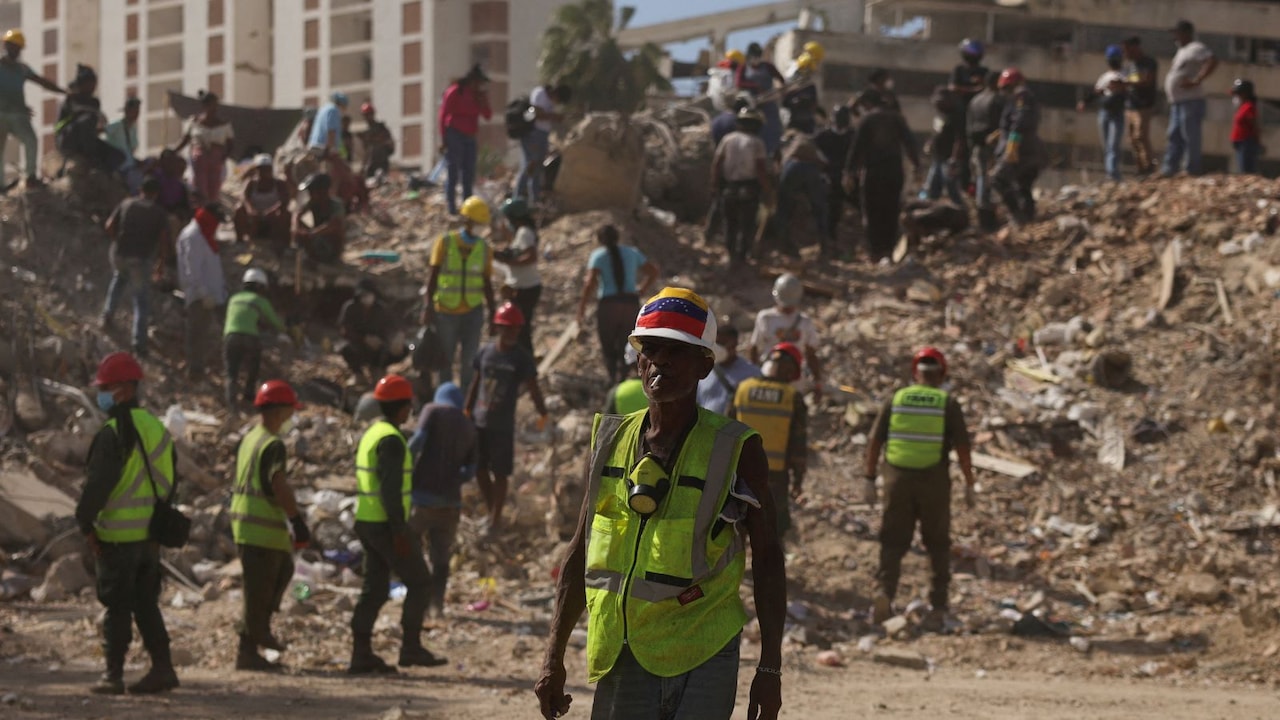
Venezuela's recent earthquake response was severely hindered by delayed military deployment orders and a lack of proper rescue gear. This forced local civilians to spearhead the initial search and rescue operations using rudimentary tools.
Key Takeaways
- Delayed deployment orders severely stalled official rescue operations in Venezuela.
- Local civilians acted as primary first responders, using basic tools to rescue survivors.
- The country's deep economic crisis has left emergency services without critical rescue gear.
In the wake of a devastating earthquake in Venezuela, critical rescue efforts were severely compromised not by a lack of willingness, but by systemic bureaucratic paralysis and a chronic shortage of essential equipment. With the official security forces largely absent during the critical first 48 hours, ordinary citizens stepped into the vacuum, undertaking dangerous search and rescue missions on their own.
Reports from the worst-hit areas reveal that civilians spearheaded much of the response, bringing aid like food and using rudimentary tools to pull both the living and the dead from the rubble. The delayed presence of official security forces has been attributed directly to administrative bottlenecks and a severe lag in issuing deployment orders from the central command.
Why This Matters
The failure of Venezuela's state apparatus to respond rapidly to a natural disaster highlights the profound degradation of its public infrastructure. BozokMedia analysis shows that years of economic mismanagement, hyperinflation, and international isolation have hollowed out the nation's emergency response capabilities, leaving citizens highly vulnerable to natural disasters.
Furthermore, this incident underscores a growing global trend where systemic state failures force local populations to build decentralized, community-led disaster resilience networks. Without international intervention or structural reforms, future humanitarian crises in the region could yield even higher casualties.
"When bureaucratic red tape delays life-saving deployment orders during the golden hours of search and rescue, the state abdicates its primary duty to protect its citizens."
Historical Background
Venezuela has been gripped by a severe socio-economic crisis for over a decade, which has decimated its civil defense (Protección Civil) and fire departments. A lack of fuel for emergency vehicles, obsolete rescue equipment, and a massive brain drain of trained personnel have combined to paralyze the state's capacity to handle large-scale emergencies. Historically, the nation has relied on external aid, but political tensions have often complicated these channels.
| Response Aspect | State/Military Response | Civilian/Community Response |
|---|---|---|
| Mobilization Time | Delayed by over 48 hours due to lack of official orders. | Immediate (within minutes of the disaster). |
| Equipment Used | Heavy machinery (mostly inactive or missing fuel/parts). | Rudimentary tools, shovels, and bare hands. |
| Primary Activities | Late-stage security cordoning and official assessments. | Active search and rescue, food distribution, first aid. |
Frequently Asked Questions
Q1: Why were Venezuela's security forces delayed in responding to the earthquake?
A1: The delay was primarily caused by bureaucratic bottlenecks and a severe lag in issuing official deployment orders from the central government command.
Q2: What tools did civilians use to rescue survivors?
A2: Due to a lack of professional rescue gear, civilians relied on basic household tools, shovels, and their bare hands to dig through the rubble.