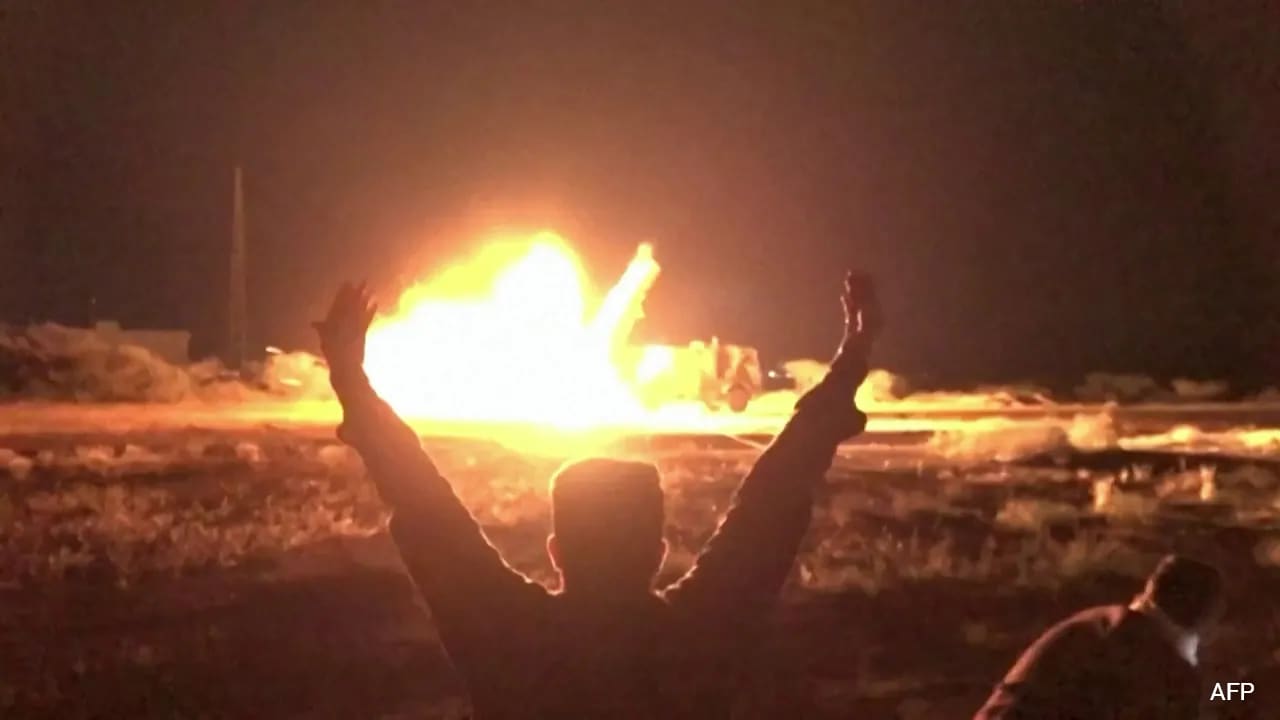
A devastating wave of US airstrikes in Iran has left at least 50 dead and over 500 injured, signaling a complete breakdown of diplomatic efforts. This escalation marks a dangerous turning point in Middle Eastern geopolitics.
Key Takeaways
- US airstrikes in Iran result in at least 50 casualties and over 500 injuries.
- The military action follows the total collapse of recent diplomatic peace initiatives.
- Regional tensions reach a boiling point, raising fears of a broader Middle East conflict.
The Middle East is once again on the brink of an all-out regional war following a series of intense US airstrikes targeting strategic positions within Iran. According to Iran's health ministry, the bombardment has claimed the lives of at least 50 individuals and left more than 500 wounded. This sudden escalation represents a dramatic departure from recent diplomatic overtures and marks one of the most direct military confrontations between Washington and Tehran in recent years.
The immediate catalyst for this military exchange is the definitive collapse of a highly anticipated peace framework that negotiators had been quietly constructing behind closed doors. For months, international mediators had attempted to broker a deal to de-escalate proxy conflicts and address nuclear concerns. However, mutual distrust and retaliatory provocations have shattered these diplomatic channels, leaving military force as the primary language of engagement.
Historical Background: A Cycle of Conflict
The geopolitical rivalry between the United States and Iran dates back to the 1979 Islamic Revolution, which fundamentally altered Middle Eastern alliances. Over the decades, this animosity has manifested through proxy warfare, economic sanctions, and cyber operations. The unilateral withdrawal of the US from the 2015 Joint Comprehensive Plan of Action (JCPOA) in 2018 severely damaged prospects for long-term stability, setting the stage for the current cycle of direct military strikes and retaliatory maneuvers.
| Aspect | United States Position | Iran Position |
|---|---|---|
| Primary Objective | Deter regional aggression and protect allied assets. | Defend national sovereignty and resist Western hegemony. |
| Diplomatic Stance | Demands cessation of proxy support before sanctions relief. | Demands immediate sanctions relief before returning to negotiations. |
| Military Strategy | Precision airstrikes and coalition deterrence. | Asymmetric warfare, missile defense, and regional proxy networks. |
Why This Matters
BozokMedia analysis shows that the collapse of this peace effort and the subsequent direct strikes represent a critical failure of global diplomacy. This escalation threatens to destabilize global energy markets, as the Strait of Hormuz—a vital transit route for a fifth of the world's oil supply—lies directly within the conflict zone. A prolonged conflict could trigger a massive spike in crude oil prices, impacting inflation and economic stability worldwide.
Furthermore, BozokMedia analysis shows that this confrontation forces regional powers, including Gulf Arab states and Israel, to recalibrate their security postures. The risk of a miscalculation leading to a multi-front war is now higher than at any point in the last decade, potentially drawing in global superpowers and reshaping the geopolitical architecture of the Middle East for generations to come.
"The transition from proxy warfare to direct military confrontation signifies a dangerous breakdown in deterrence, where the margin for diplomatic error has effectively shrunk to zero."
Frequently Asked Questions
Q1: What triggered the latest round of US airstrikes in Iran?
A1: The strikes were triggered by the collapse of a critical peace agreement, leading to a rapid escalation of military provocations and direct retaliatory actions between the two nations.
Q2: How could this conflict impact the global economy?
A2: A prolonged conflict could disrupt oil shipments through the Strait of Hormuz, causing global energy prices to surge and worsening international inflationary pressures.

