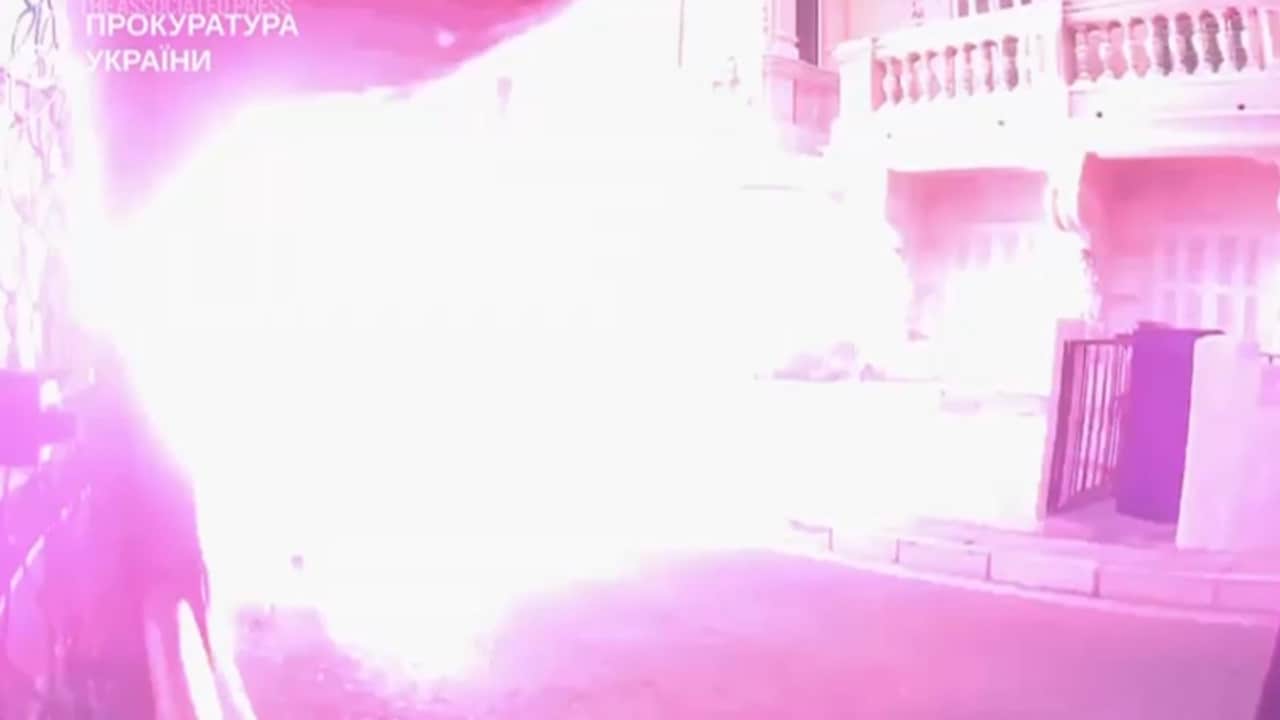
The June 30 attack shook the discreet, ultra‑wealthy principality on the Mediterranean coast. The release of the video and the suspect's death have added new layers to the international security puzzle.
Key Takeaways (मुख्य बिंदु)
- On June 30 a bomb detonated in Monaco, wounding a prominent tycoon and his family.
- Ukraine published video footage confirming the attack and identifying a suspect.
- The alleged perpetrator, Anastasiia Berezovska, was found dead in Ukraine days later.
At the heart of the Mediterranean, the tiny principality of Monaco was jolted by an unexpected bombing on June 30. The blast injured billionaire industrialist Ivan Kovalev and several members of his family, reigniting concerns over the security of Europe’s most exclusive enclaves. Ukraine’s decision to release a detailed video of the explosion has drawn global attention and speculation about the motives behind the attack.
The footage clearly shows a compact explosive device placed near the waterfront promenade, creating a sharp blast wave, shrapnel, and a plume of smoke that struck passers‑by and high‑profile residents alike. Ukrainian authorities claim that the operation was orchestrated by a single individual, identified as Anastasiia Berezovska, a previously known activist linked to unrest in Ukraine’s eastern regions. Within days, Berezovska was discovered dead in her home city, prompting a flurry of theories ranging from natural causes to possible retaliation.
Historically, Monaco has been celebrated as a haven for the ultra‑wealthy, with a reputation for low crime and tight‑knit security dating back to its post‑World War II reforms. Nonetheless, the 1990s witnessed a handful of high‑profile incidents, including a 1995 attempted assassination of a casino magnate, reminding the world that wealth does not guarantee immunity. The latest bombing underscores the evolving threat landscape where even micro‑states can become flashpoints in broader geopolitical conflicts.
"Such attacks not only test the resilience of a small sovereign state but also ripple through the global financial system," says security analyst Dr. Alexei Ivanov.
Why This Matters (इसके मायने क्या हैं)
According to BozokMedia analysis, a violent incident in Monaco could erode investor confidence in the principality’s safe‑haven status, potentially diverting capital flows to more secure jurisdictions. The injury of a high‑profile tycoon highlights that even the most affluent individuals are vulnerable, likely spurring demand for advanced private security solutions.
Moreover, Ukraine’s public release of the video adds a diplomatic dimension. If Berezovska’s affiliations are linked to a larger network, the incident could trigger retaliatory measures, heightening tensions across Europe and complicating ongoing Ukraine‑Russia negotiations. The ripple effects may force policymakers to reassess cross‑border security cooperation and intelligence sharing.
Frequently Asked Questions (अक्सर पूछे जाने वाले प्रश्न)
Question 1: What caused Anastasiia Berezovska’s death?
Answer: Official investigations are ongoing; preliminary reports suggest she was found dead from natural causes at her residence.
Question 2: Will Monaco change its security protocols after the bombing?
Answer: Monaco has announced immediate enhancements to its coastal monitoring and increased collaboration with international security agencies.