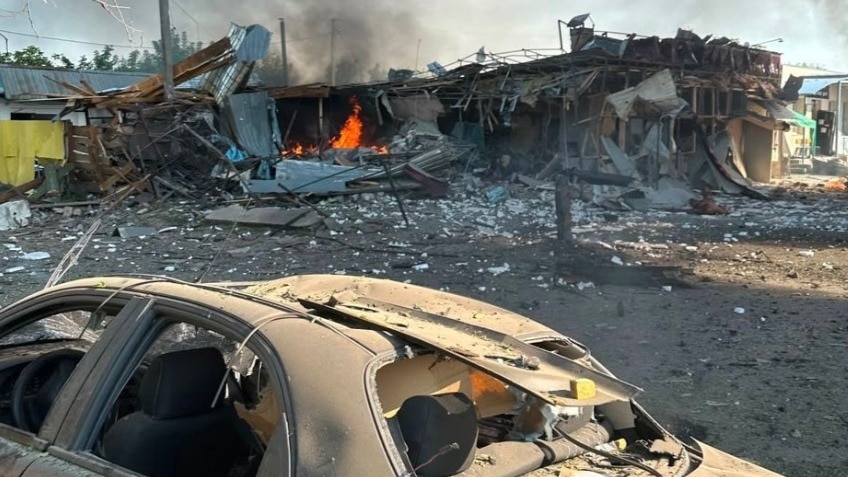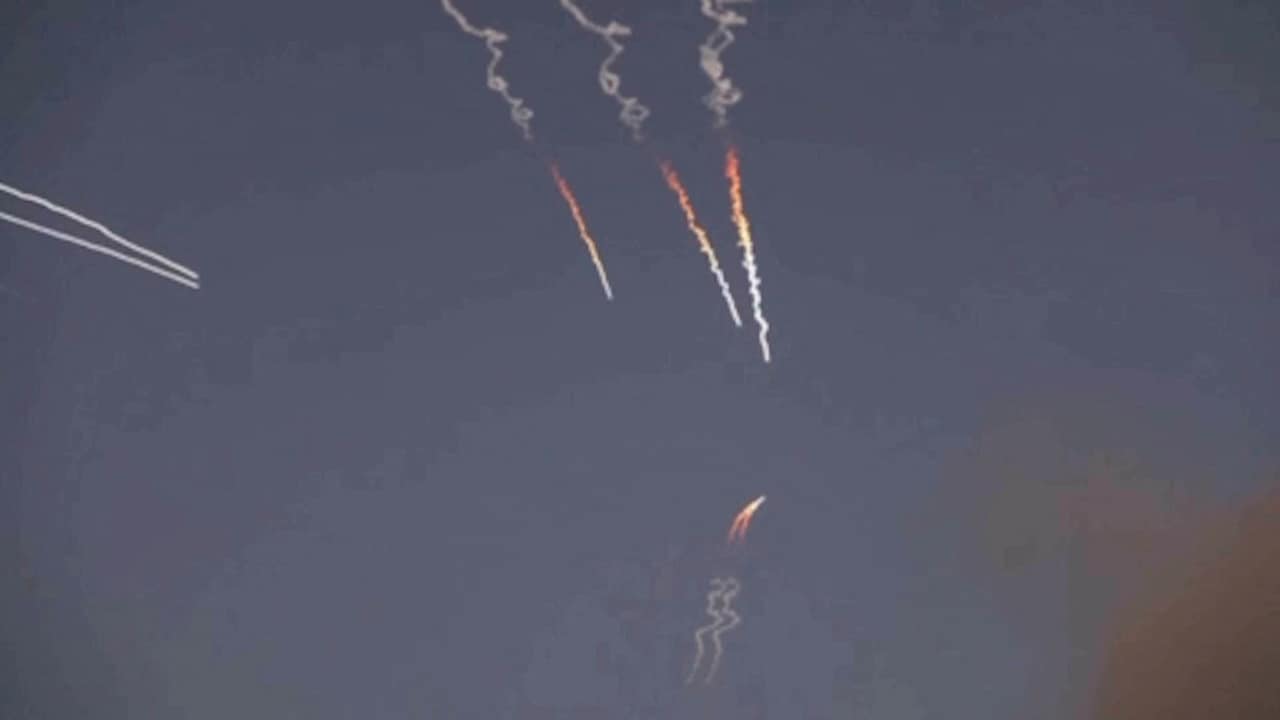
Following the killing of two American soldiers, Washington launched its eighth consecutive night of air strikes against Iran, pledging to "swiftly punish" Tehran. The escalation reignites regional tensions across the Middle East.
Key Takeaways
- US conducts its eighth night of airstrikes on Iran.
- The strikes follow the death of two American soldiers in an Iranian attack on Jordan.
- Washington says the operation aims to “swiftly punish” Iran.
The United States launched its eighth consecutive night of air strikes against Iran today, just hours after two American soldiers were killed in an Iranian assault on Jordan. The operation targeted multiple Iranian air‑defence installations and military facilities, with the Pentagon stating the goal is to “swiftly punish” Tehran and deter future aggression.
Iran responded with a statement condemning the attacks as a violation of international law and asserted its right to retaliate if necessary. The renewed hostilities have further destabilized an already volatile Middle‑East landscape, where existing frictions with Syria, Lebanon and Israel complicate diplomatic efforts.
Historical Background
US‑Iran relations have swung between open conflict and tentative engagement since the 1979 Islamic Revolution. The 2015 Joint Comprehensive Plan of Action (JCPOA) offered a brief period of relief, but the 2018 US withdrawal reignited sanctions and reciprocal actions. In the years that followed, Iranian proxy attacks in Iraq and US drone strikes created a tit‑for‑tat cycle that kept both nations on a perpetual brink.
Why This Matters (इसके मायने क्या हैं)
BozokMedia analysis shows that continuous aerial campaigns could ripple through global oil markets, driving up energy prices and affecting everyday consumers worldwide. Moreover, heightened military activity raises the risk of broader regional spill‑over, potentially triggering refugee flows and humanitarian crises.
Politically, this escalation signals a shift in US Middle‑East policy toward more immediate kinetic responses, moving away from the diplomatic restraint that characterized the latter part of the previous administration. If tensions persist, the United States may need to reassess its alliances with NATO and Gulf Cooperation Council (GCC) members.
"Sustained air campaigns in the Indo‑Pacific region are a high‑risk strategy that favors short‑term deterrence over long‑term stability," said an international security expert.
| Policy | Before 2023 | 2024 Shift |
|---|---|---|
| Frequency of air strikes | Limited, focused on high‑value targets | Night‑after‑night, multiple targets |
| Strategic aim | Economic sanctions & diplomacy | Military retaliation & deterrence |
| International response | UN criticism | Divided reactions among allies |
Frequently Asked Questions (अक्सर पूछे जाने वाले प्रश्न)
Q1: Has Iran launched any direct counter‑air strikes yet?
A: As of now, Iran has not announced any official aerial retaliation, though it may employ proxy forces for indirect actions.
Q2: What measures is the US taking to protect its personnel in the region?
A: The US is bolstering base defenses, deploying additional radar systems, and increasing air‑cover to mitigate potential Iranian responses.