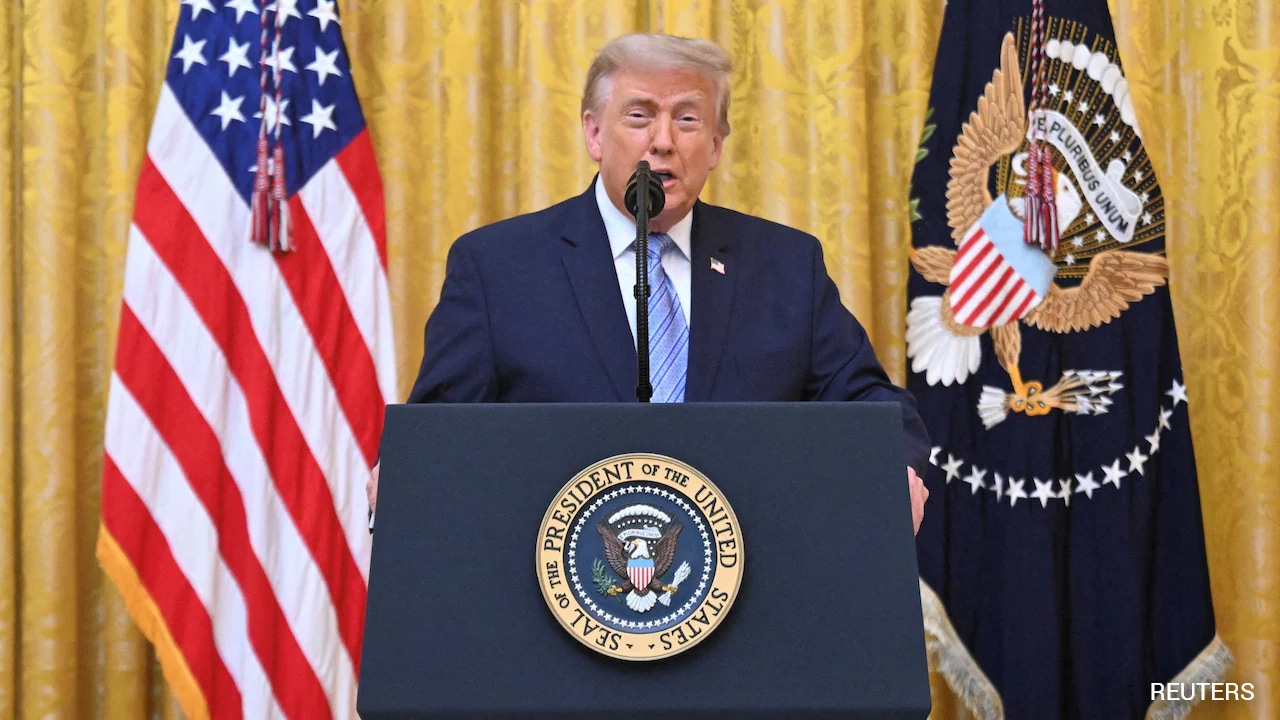
Despite a draft nuclear agreement being finalized between the US and Saudi Arabia in October 2025, geopolitical hurdles and non-proliferation concerns have delayed its execution. Crown Prince Mohammed bin Salman's stance on matching Iran's nuclear capabilities remains a central point of tension.
Key Takeaways
- The draft nuclear cooperation agreement was finalized in October 2025 under the Trump administration.
- Crown Prince Mohammed bin Salman (MBS) insists Saudi Arabia will match Iran if it develops nuclear weapons.
- Disagreements over domestic uranium enrichment rights and global non-proliferation standards remain the primary bottlenecks.
The highly anticipated and historically sensitive nuclear cooperation deal between the United States and Saudi Arabia remains stalled, despite the draft agreement being finalized in October 2025. Championed by the Donald Trump administration as a landmark geopolitical achievement, the deal faces severe delays as Washington and Riyadh navigate complex regional security dynamics and strict non-proliferation standards.
Historical Background
Saudi Arabia’s pursuit of civil nuclear energy is a core component of its 'Vision 2030' program, aimed at diversifying its economy away from oil. However, the negotiations have consistently hit a roadblock over the 'gold standard' of US nuclear cooperation. Typically, the US requires partner nations to sign a 'Section 123 Agreement,' which prohibits the domestic enrichment of uranium and reprocessing of spent fuel—technologies that can be dual-used to produce nuclear weapons. Saudi Crown Prince Mohammed bin Salman has openly stated that while the Kingdom does not seek nuclear weapons, it would immediately acquire them if regional rival Iran successfully develops a nuclear bomb.
| Feature | Standard US 123 Agreement | Proposed Saudi Nuclear Deal |
|---|---|---|
| Uranium Enrichment | Strictly prohibited domestically | Saudi Arabia demands domestic enrichment rights |
| Spent Fuel Reprocessing | Prohibited | Subject to ongoing negotiations and safeguards |
| Strategic Objective | Global non-proliferation enforcement | Countering Iran and securing US-Saudi alliance |
Why This Matters
The outcome of this deal will permanently reshape the geopolitical landscape of the Middle East. Granting Saudi Arabia enrichment rights could trigger a regional nuclear arms race, prompting countries like Turkey and Egypt to demand similar concessions, thereby weakening the global non-proliferation regime.
According to BozokMedia analysis, the Trump administration views the nuclear deal as a vital tool to counter the growing influence of China and Russia in the Gulf. If the US refuses to supply nuclear technology under terms acceptable to Riyadh, Saudi Arabia could turn to Beijing or Moscow for its nuclear ambitions. Consequently, Washington is forced to balance its long-term non-proliferation commitments against immediate geopolitical dominance in a highly volatile region.
"Allowing Saudi Arabia domestic uranium enrichment capabilities would dismantle decades of US non-proliferation policy, potentially opening a Pandora's box of nuclear ambitions across the Middle East."
Frequently Asked Questions
Q1: Why is Saudi Arabia demanding domestic uranium enrichment rights?
Answer: Saudi Arabia wants full energy independence and control over its fuel cycle, viewing domestic enrichment as a sovereign right and a strategic deterrent in a hostile region.
Q2: What happens if the US-Saudi nuclear deal falls through?
Answer: Saudi Arabia may seek nuclear partnerships with non-Western powers like China or Russia, which could significantly diminish US geopolitical leverage in the Middle East.