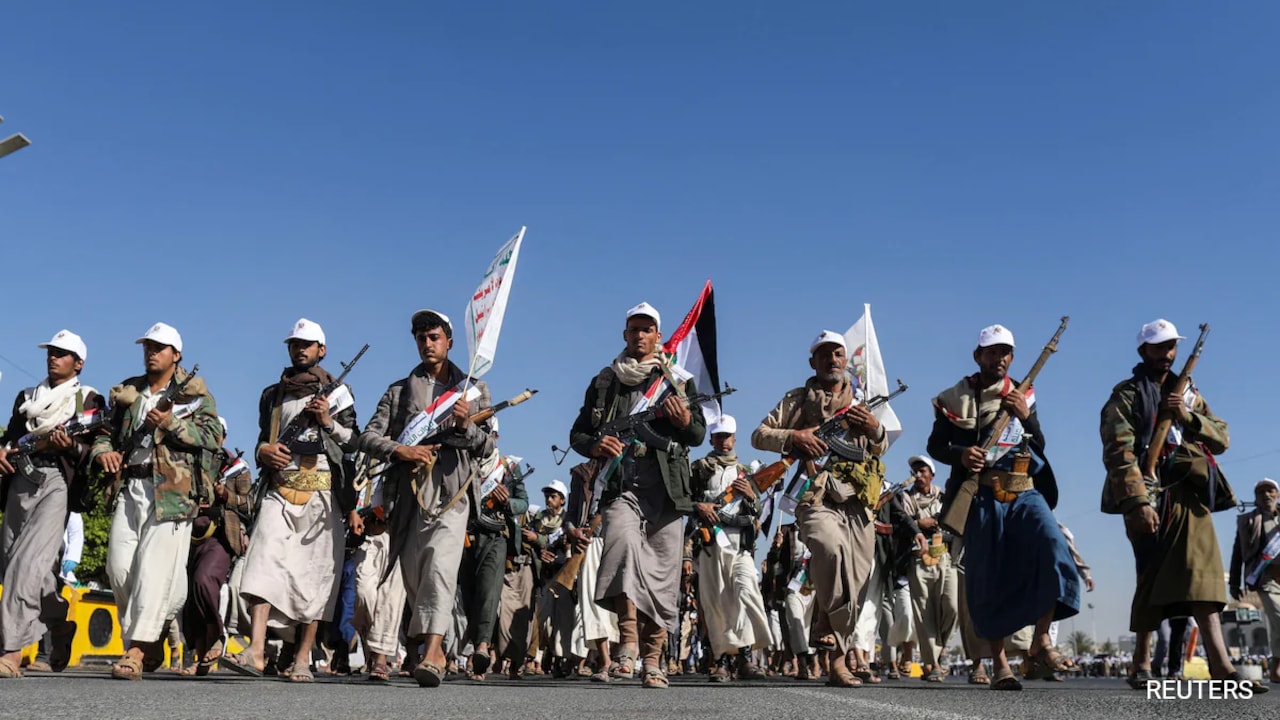
Following missile strikes on Abha airport, Houthi rebels have threatened a maritime blockade against Saudi Arabia, escalating tensions in the Middle East.
The geopolitical landscape of the Middle East has shifted toward a more volatile state as Houthi rebels launched missile attacks targeting an airport in Abha, a key city in southern Saudi Arabia. This escalation follows a direct provocation where the Yemeni government targeted Sanaa airport in an attempt to intercept an Iranian flight carrying a Houthi delegation. The Houthis have characterized this retaliation as an 'eye for an eye' maneuver.
Beyond localized missile strikes, the Houthi leadership has issued a chilling warning regarding a potential maritime blockade against Saudi Arabian interests. This development comes amidst the ongoing Gaza conflict, which has already seen the Houthis targeting shipping vessels in the Gulf of Aden and the Red Sea, creating a multi-front crisis for regional security.
Why This Matters (इसके मायने क्या हैं)
BozokMedia analysis shows that a Houthi-led maritime blockade could trigger a massive shockwave through the global economy. The Red Sea is a vital artery for international trade; any significant disruption to these shipping lanes will inevitably lead to skyrocketing freight costs and delayed shipments. For the average consumer, this translates to higher prices for fuel, electronics, and essential commodities due to increased logistics expenses.
Politically, this move signals a dangerous expansion of the conflict. By targeting Saudi infrastructure and threatening sea lanes, the Houthis are moving from a localized civil war to a strategic challenge against major regional and global powers. This escalation forces international naval coalitions to increase their presence, further complicating the delicate diplomatic balance in the Middle East.
The shift from ground-based skirmishes to strategic maritime threats marks a new, more dangerous era of asymmetric warfare in the region.
Historical Background
The Houthi movement, formally known as Ansar Allah, has been engaged in a protracted conflict with the internationally recognized Yemeni government and its Saudi-led coalition since 2014. While the conflict was traditionally fought over territorial control within Yemen, the recent alignment with the broader regional tensions surrounding the Gaza war has transformed the Houthis into a significant actor in global maritime security, utilizing drone and missile technology to project power far beyond their borders.
| Feature | Traditional Conflict | Current Escalation |
|---|---|---|
| Primary Targets | Local Yemeni Territory | International Shipping & Saudi Infrastructure |
| Economic Impact | Localized Yemeni Economy | Global Supply Chain & Energy Markets |
| Tactical Scope | Ground Warfare | Missile, Drone, and Maritime Blockade |
Frequently Asked Questions (अक्सर पूछे जाने वाले प्रश्न)
Question 1: What triggered the recent Houthi missile strike?
Answer: The strike was a retaliatory move following an attack on Sanaa airport by the Yemeni government aimed at intercepting an Iranian-linked flight.
Question 2: How does this affect global oil prices?
Answer: Threats of maritime blockades in the Red Sea increase the risk premium for oil, often leading to immediate spikes in global crude prices.