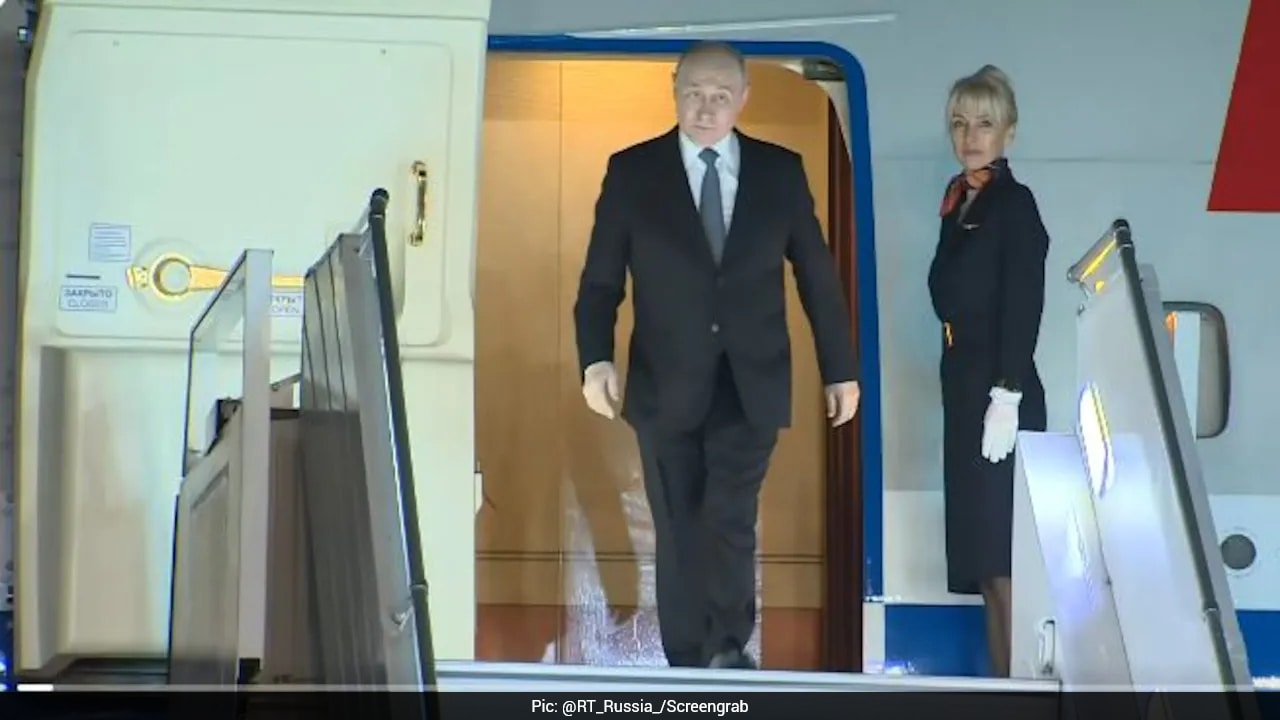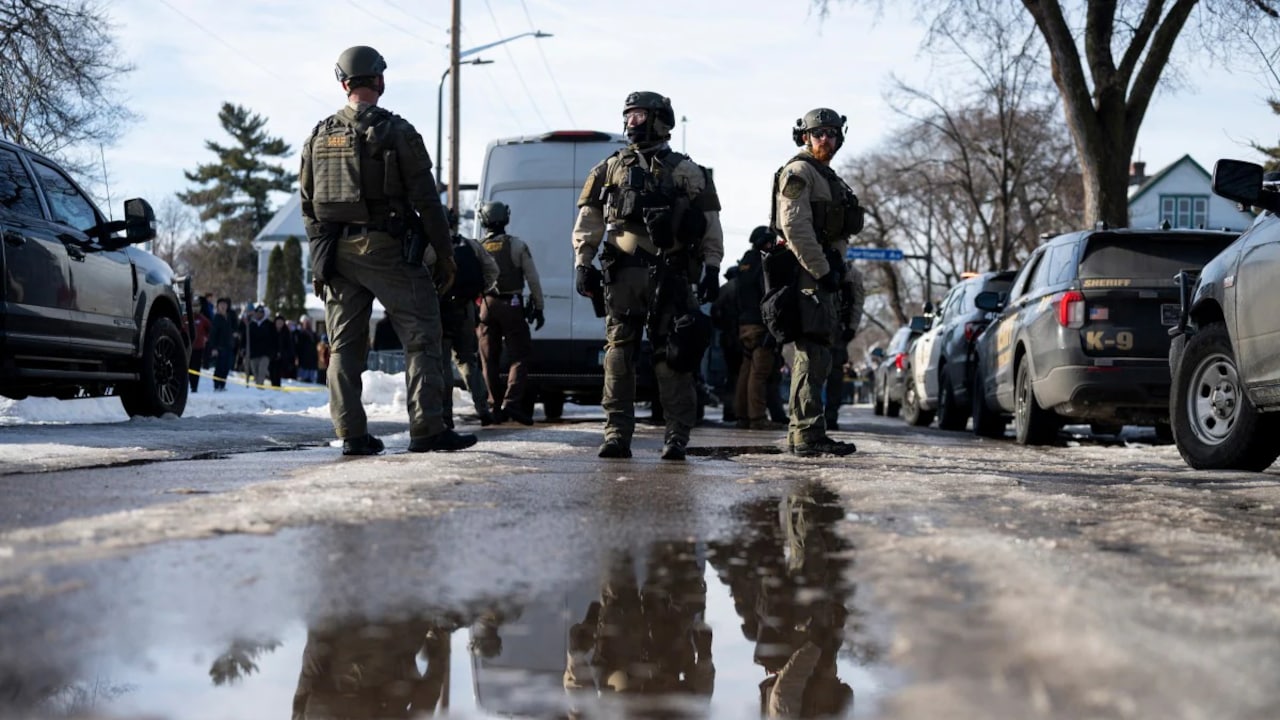
Following fatal shootings in Texas and Maine, ICE officials will now be required to wear body cameras during vehicle stops to ensure transparency.
Key Takeaways
- ICE officers must now wear body cameras during all vehicle stops.
- The mandate follows public backlash after two fatal shootings in Texas and Maine.
- The move aims to increase accountability and provide objective evidence of encounters.
In a significant shift toward increased accountability, U.S. Immigration and Customs Enforcement (ICE) has announced that officers will be required to wear body-worn cameras during vehicle stops. This directive comes in the wake of intense public scrutiny and backlash following two deadly shooting incidents in Texas and Maine, which have raised urgent questions regarding field protocols and officer conduct.
Senior official Tom Homan emphasized that the integration of body cameras is a direct response to the need for greater transparency. By capturing real-time footage during roadside encounters, the agency seeks to protect both its officers from false accusations and the public from potential misconduct, ensuring that every interaction is documented with high-fidelity visual evidence.
Why This Matters (इसके मायने क्या हैं)
BozokMedia analysis shows that this policy change is a critical step in navigating the volatile intersection of immigration enforcement and civil liberties. In an era of heightened social tension, the absence of video evidence often leads to conflicting narratives that can destabilize community relations and fuel political polarization.
From a legal and economic perspective, the implementation of body cameras can significantly reduce the costs associated with civil litigation and internal investigations. For the federal government, establishing a culture of digital accountability is essential to maintaining the legitimacy of its enforcement operations in the eyes of both the domestic public and the international community.
Body cameras serve as an unbiased digital witness, transforming subjective accounts into verifiable facts.
Historical Background
The movement for body-worn cameras in American law enforcement gained massive momentum following high-profile incidents of police use-of-force in the mid-2010s. While initially adopted by local municipal police departments, the push for federal agencies like ICE to adopt similar technology reflects a broader national trend toward standardized accountability measures across all levels of government.
| Feature | Previous Protocol | New ICE Mandate |
|---|---|---|
| Video Recording | Discretionary/Rarely Used | Mandatory during vehicle stops |
| Evidence Basis | Testimonial/Eyewitness | Digital Video Documentation |
| Public Perception | High Skepticism | Increased Transparency Focus |
Frequently Asked Questions (अक्सर पूछे जाने वाले प्रश्न)
Question 1: What triggered this new requirement?
Answer: Two fatal shootings during traffic stops in Texas and Maine sparked significant public outcry and calls for reform.
Question 2: Does this apply to all ICE activities?
Answer: The current mandate specifically targets officers conducting vehicle stops to ensure roadside transparency.