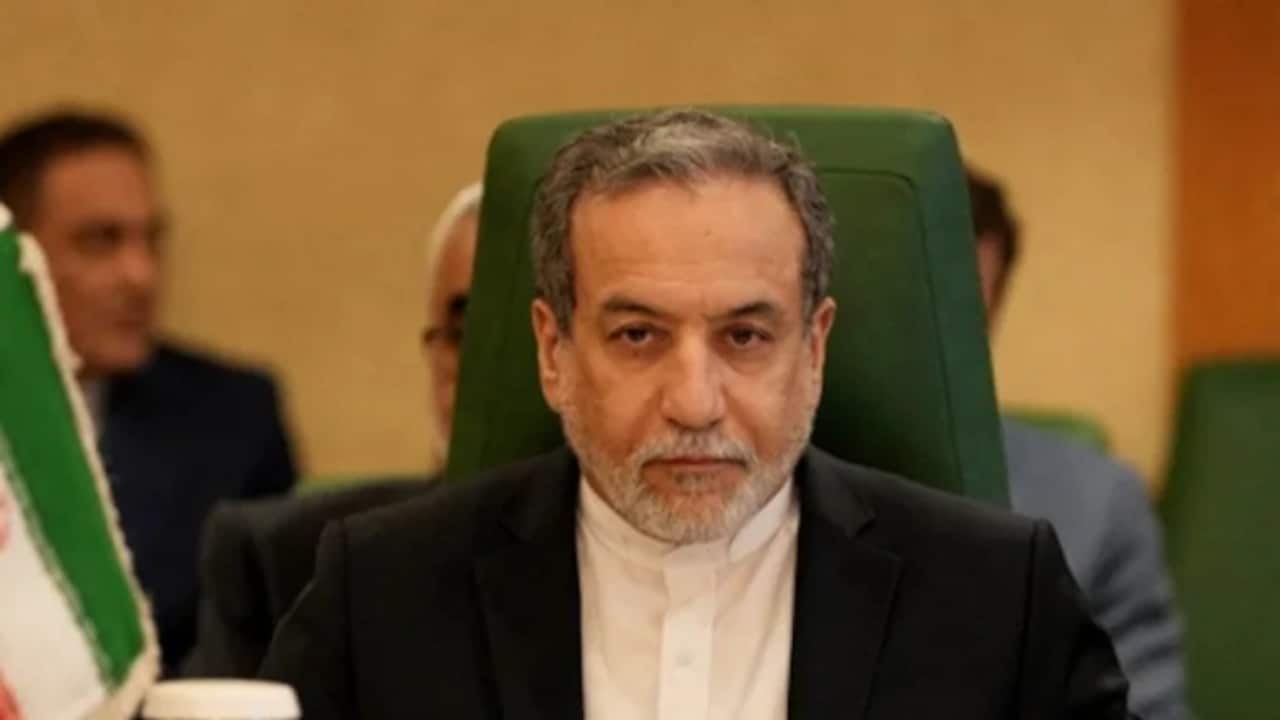
Iranian Foreign Minister Abbas Araghchi has rejected US military threats, drawing parallels to Venezuela to warn that diplomatic windows are closing fast.
In a high-stakes diplomatic maneuver, Iranian Foreign Minister Abbas Araghchi has issued a stern warning regarding the deteriorating relations between Tehran and Washington. Araghchi suggested that the current window for diplomatic engagement might be the 'last call' for meaningful dialogue with the incoming Trump administration, signaling a potential breakdown in communication.
Addressing the growing tensions, Araghchi vehemently rejected Washington's assertions that military pressure could force Iran into submission. He emphasized that Tehran remains resilient against coercive tactics and will not be intimidated by the threat of force. The Iranian leadership appears to be bracing for a period of intense confrontation if sanctions and military posturing continue to escalate.
Why This Matters (इसके मायने क्या हैं)
BozokMedia analysis shows that this escalation significantly heightens the risk of a broader conflict in the Middle East. A total breakdown in US-Iran communication could lead to unpredictable military movements, affecting global energy markets and maritime security in the Strait of Hormuz. The stakes are not just regional; they are global economic imperatives.
Furthermore, by citing the situation in Venezuela, Iran is framing the US approach as a pattern of forced regime change rather than legitimate diplomacy. This narrative is designed to garner sympathy from other nations wary of Western interventionism, potentially shifting the geopolitical alignment of the Global South against US-led policies.
The rhetoric from Tehran suggests that Iran is no longer seeking a compromise under duress, but is instead preparing for a long-term standoff.
Historical Background
The geopolitical friction between Iran and the United States dates back to the 1979 Islamic Revolution. Since then, the relationship has been defined by proxy wars, nuclear negotiations, and heavy economic sanctions. The recent precedent in Venezuela, where the US has actively sought to influence political outcomes through various means, serves as a critical reference point for Iran. Tehran views such actions as direct threats to sovereign governance and national security.
| Factor | US Strategy | Iran's Stance |
|---|---|---|
| Military Pressure | Tool for coercion | Ineffective and rejected |
| Diplomatic Status | Conditional engagement | Final opportunity expiring |
| Venezuela Precedent | Regime change model | Violation of sovereignty |
Frequently Asked Questions (अक्सर पूछे जाने वाले प्रश्न)
Question 1: What is the significance of the 'Last Call' comment?
Answer: It implies that Iran is nearing its limit for negotiation and may cease all diplomatic attempts if the Trump administration pursues a purely military path.
Question 2: Why did Iran mention Venezuela?
Answer: Iran uses the Venezuela case to illustrate what they perceive as a US pattern of using military and political pressure to overthrow governments.