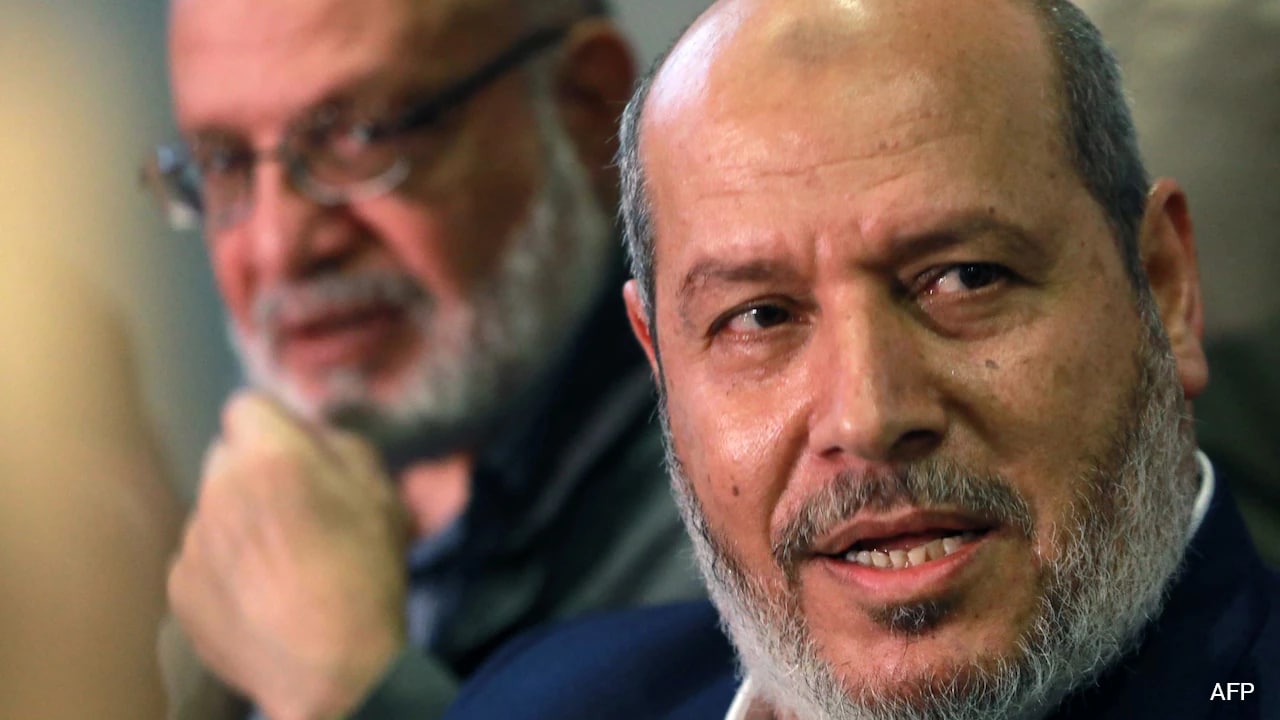
In a decisive leadership contest, Khalil Al-Hayya has defeated Khaled Meshaal to take control of Hamas, marking a pivotal shift in the organization.
In a significant reshuffle within the geopolitical landscape of the Middle East, Hamas has officially appointed Khalil Al-Hayya as its new chief. This leadership transition comes two years after the death of Yahya Sinwar, signaling a strategic reorganization of the movement. Al-Hayya emerged victorious in a high-stakes leadership contest, defeating veteran leader Khaled Meshaal, a move that sets the stage for a potential shift in the group's operational direction.
Born in 1960, Al-Hayya is a figure deeply entrenched in the complexities of the Palestinian struggle. His resilience has been tested on the most personal level; last year, he survived a targeted Israeli assassination attempt in Doha. While he escaped the strike, the operation resulted in the tragic death of one of his sons, an event that has further solidified his standing among the movement's core members.
Why This Matters (इसके मायने क्या हैं)
BozokMedia analysis shows that Al-Hayya's ascension represents a critical junction for Hamas. While the era of Yahya Sinwar was characterized by intense military confrontation and hardline stances, Al-Hayya's leadership may attempt to bridge the gap between militant operations and the necessity for political maneuvering. His ability to navigate both the battlefield and the diplomatic corridors will determine the group's survival in an increasingly volatile region.
For the global community and ordinary citizens, this change could dictate the trajectory of regional stability. A shift in leadership often leads to shifts in negotiation tactics regarding ceasefires and hostage releases. Depending on Al-Hayya's approach, this could either lead to a de-escalation of tensions or a renewed period of high-intensity conflict that affects global energy markets and international security alliances.
The transition from Sinwar to Al-Hayya marks a strategic pivot that could redefine Hamas's engagement with both regional powers and international mediators.
Historical Background
Hamas (Harakat al-Muqawama al-Islamiya) was founded in 1987 during the First Intifada. Over the decades, the organization has undergone various leadership cycles, moving between figures focused on grassroots social services and those focused on armed resistance. The current leadership change is part of an ongoing evolution to sustain the movement amidst intense military pressure from Israel.
Frequently Asked Questions (अक्सर पूछे जाने वाले प्रश्न)
Question 1: Who did Khalil Al-Hayya defeat for the position?
Answer: He defeated Khaled Meshaal in the internal leadership contest.
Question 2: What is the significance of the Doha strike regarding Al-Hayya?
Answer: The strike was an assassination attempt that killed his son, highlighting the personal risks faced by the leadership.