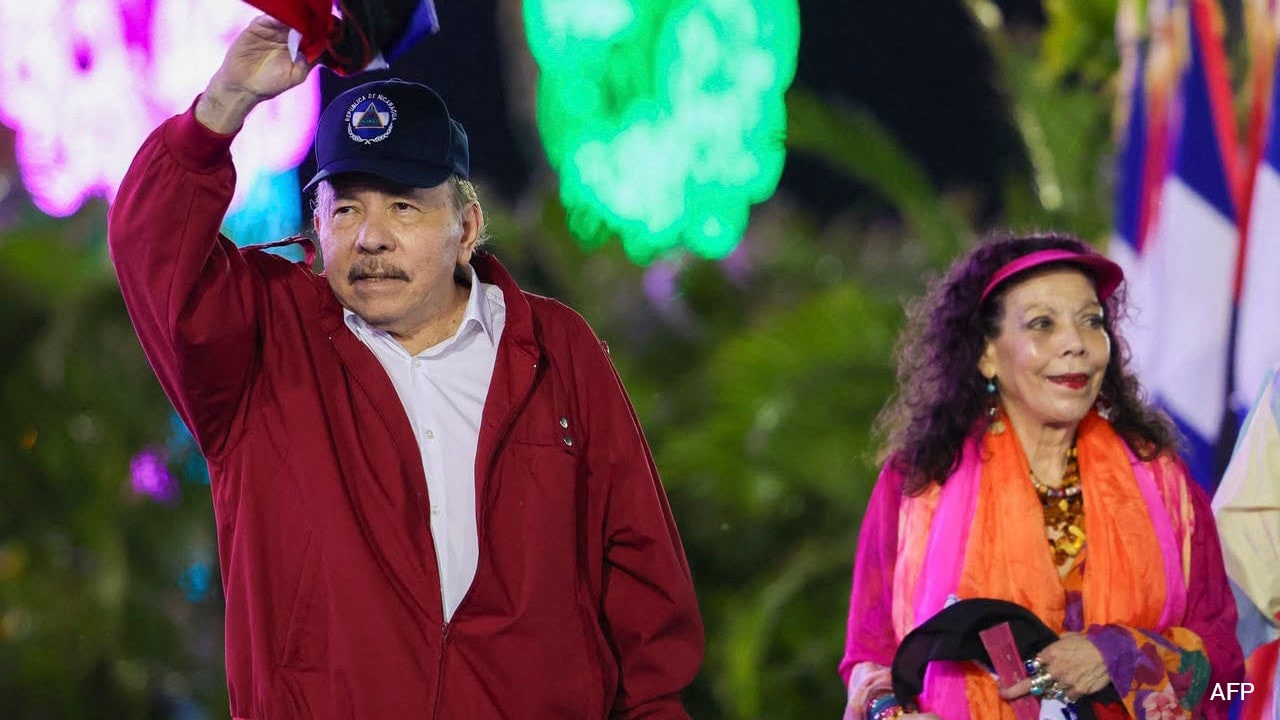
President Daniel Ortega addressed the nation after a two‑month hiatus, announcing a plan to end elections. The move follows the disputed 2021 vote and could reshape the country's political landscape.
Key Takeaways (मुख्य बिंदु)
- Daniel Ortega announced a move to end elections.
- Opposition parties may face a total ban.
- Ortega made his first public appearance in two months.
Daniel Ortega returned to public view after a two‑month silence, delivering a televised address in which he declared, "No more elections." The president warned that the proposed measure would close every avenue for the opposition, though he offered no specifics on implementation.
Ortega has held power continuously since 2007, after an earlier presidential stint in the 1980s. His rule has been marked by controversy, especially surrounding the 2021 election, which was widely disputed by international observers for alleged irregularities and suppression of opposition candidates.
Historical Background (तथ्यात्मक पृष्ठभूमि)
Nicaragua’s modern political history began with the 1979 Sandinista Revolution, which overthrew the Somoza dynasty. After a brief democratic interlude in the 1990s, Ortega returned to power in 2007, promising social welfare programs and economic reforms. However, human‑rights groups have repeatedly criticized his administration for curbing freedom of expression and stifling dissent. The 2021 vote intensified scrutiny, as more than 70 international monitors reported voting irregularities, casting doubt on the election’s legitimacy.
Why This Matters (इसके मायने क्या हैं)
According to BozokMedia analysis, Ortega’s announcement could accelerate the erosion of democratic norms in Nicaragua. Eliminating elections removes the primary peaceful mechanism for citizens to change leadership, potentially fueling public unrest and destabilizing the nation. From an economic perspective, foreign investors prioritize transparent, stable political environments; a shift toward authoritarian rule may deter investment and slow growth.
Internationally, the move risks further isolation. Several countries have already expressed concern over Nicaragua’s democratic backsliding, and a formal ban on elections could invite sanctions or diplomatic pressure, impacting trade and aid flows.
"Without democratic processes, any economic progress is unsustainable, and Ortega’s decision could push Nicaragua into diplomatic isolation," says political analyst Maria Ellenade.
Comparison of Political Landscape
| Aspect | Before (2021) | Now (Proposed) |
|---|---|---|
| Opposition Participation | Limited but existent | Completely barred |
| International Recognition | Contested but recognized | Potentially withdrawn |
| Economic Investment | Steady but cautious | Likely decline |
Frequently Asked Questions (अक्सर पूछे जाने वाले प्रश्न)
Question 1: Can Ortega legally eliminate elections?
Answer: Nicaragua’s constitution does not contain provisions to outright abolish elections; any such change would require constitutional amendment or a special legislative process.
Question 2: What impact will this have on ordinary Nicaraguans?
Answer: Without elections, citizens lose a legitimate avenue for political change, likely leading to heightened public dissent, protests, and potential social unrest.