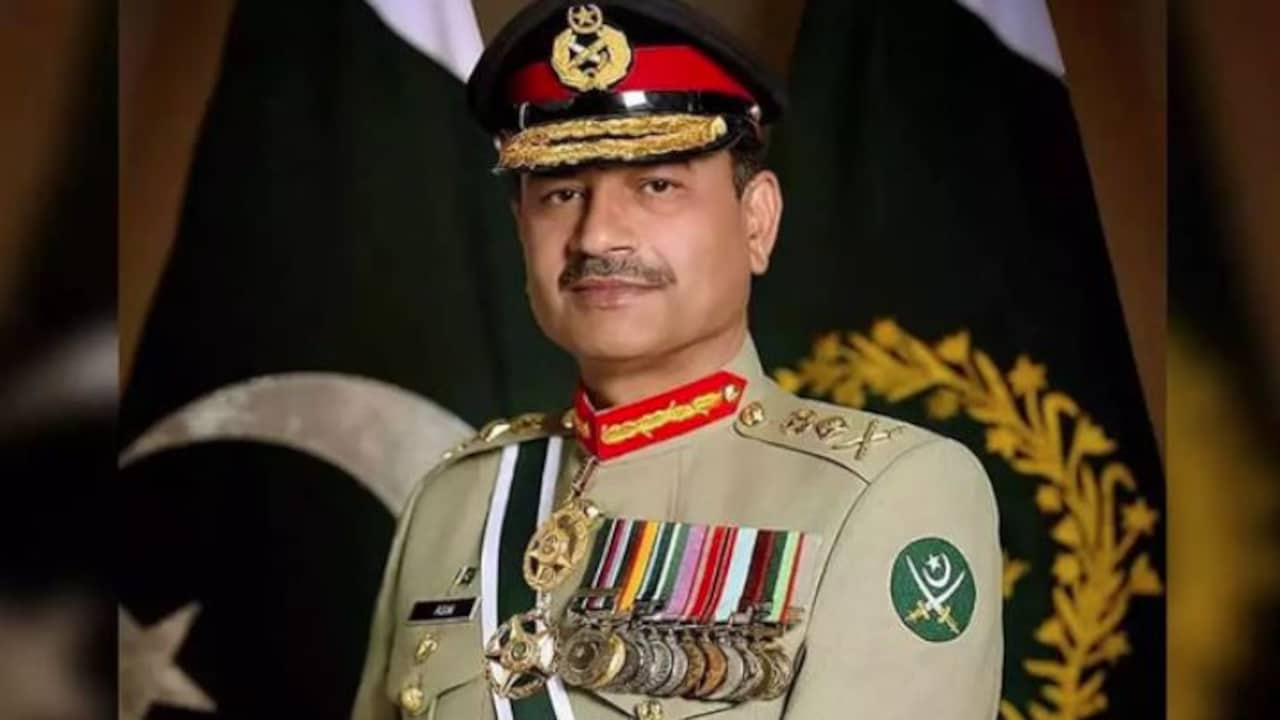
Amid escalating border tensions with the Taliban and ongoing civil unrest in Pakistan-occupied Kashmir (PoK), Beijing has mounted severe pressure on Pakistan's Army Chief General Asim Munir. This multi-front crisis has exposed the deep vulnerabilities of Islamabad's security-first doctrine.
Key Takeaways
- Beijing has raised high-level concerns over the security of Chinese nationals and CPEC projects in Pakistan.
- Army Chief General Asim Munir faces intense pressure to deliver immediate security results.
- The crisis is compounded by Pakistan's deteriorating relations with the Afghan Taliban and unrest in PoK.
Pakistan is currently grappling with one of the most severe security and economic crises in its history. Beijing has reportedly shared its deep concerns about the vulnerability of its personnel and multi-billion-dollar projects at the highest levels in Pakistan. This direct diplomatic pressure has put Army Chief General Asim Munir under immense strain to deliver immediate and tangible security results.
Historical Background
The China-Pakistan Economic Corridor (CPEC), a flagship project of China's ambitious Belt and Road Initiative (BRI), has been plagued by security challenges for over a decade. Insurgent groups active in Balochistan and other volatile regions have repeatedly targeted Chinese engineers and infrastructure. Historically, Pakistan has relied on a militaristic, security-first approach to manage these areas, but this strategy is now proving highly ineffective.
Furthermore, since the Taliban's return to power in Afghanistan, security along Pakistan's western border has deteriorated significantly. Increased attacks by the Tehreek-e-Taliban Pakistan (TTP) and widespread protests in Pakistan-occupied Kashmir (PoK) have stretched the Pakistani military's resources and disrupted its strategic calculations.
| Security Aspect | Earlier Phase (CPEC Launch) | Current Scenario (2024) |
|---|---|---|
| Chinese Security | Assured by a dedicated special security division of the Pakistan Army. | Highly vulnerable; frequent suicide attacks by Baloch rebels and TTP. |
| State Control | Relative stability with managed proxy groups. | Severe backlash in PoK, Balochistan, and hostile borders with Afghanistan. |
| Beijing's Stance | Optimistic investor relying entirely on Pakistan's military assurances. | Deeply skeptical; demanding direct security involvement and urgent action. |
Why This Matters
BozokMedia analysis shows that Pakistan's systemic reliance on asymmetric warfare and militant proxies has reached a point of diminishing returns. By failing to secure its own borders and internal territories, Islamabad risks alienating its sole major economic benefactor, China. For ordinary citizens, this translates to economic instability, as foreign investment dries up amid a deteriorating security apparatus.
Furthermore, the pressure on Army Chief General Asim Munir highlights the deep-seated structural flaws within the Pakistani establishment. If the military cannot guarantee the safety of Chinese investments, the very foundation of the China-Pakistan Economic Corridor (CPEC) could collapse, pushing Pakistan closer to financial insolvency and geopolitical isolation.
"Pakistan's traditional security-first doctrine is imploding under the weight of its own contradictions, leaving Army Chief Munir to face an angry Beijing and a restless population."
Frequently Asked Questions
Q1: Why is China concerned about security in Pakistan?
A1: Chinese personnel working on CPEC infrastructure projects have repeatedly been targeted by insurgent groups, such as the Balochistan Liberation Army (BLA), leading to casualties and project delays.
Q2: What role does the Taliban play in Pakistan's current crisis?
A2: Relations between Islamabad and the Afghan Taliban have soured significantly, as Pakistan accuses Kabul of harboring Tehreek-e-Taliban Pakistan (TTP) militants who launch cross-border attacks.