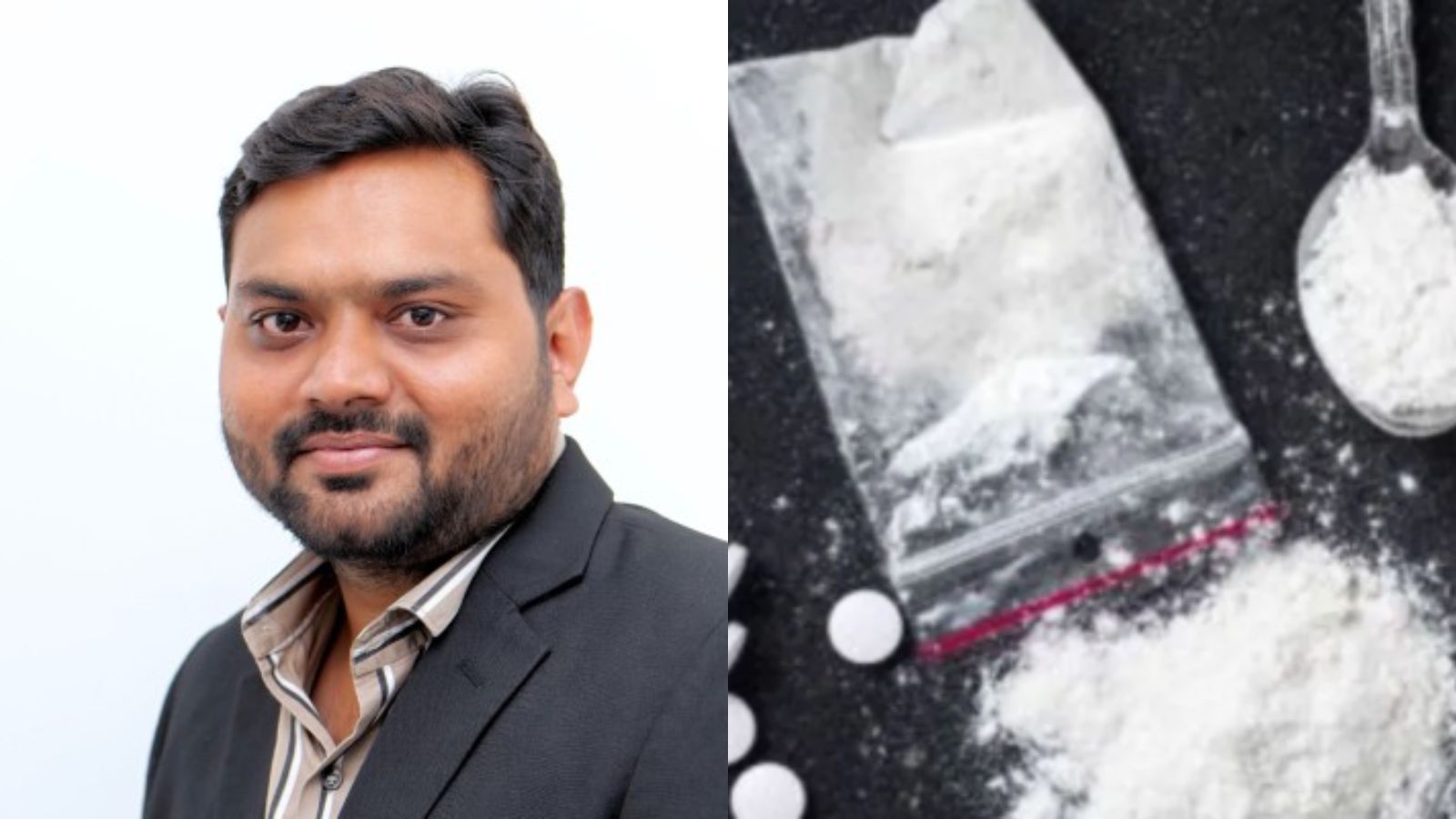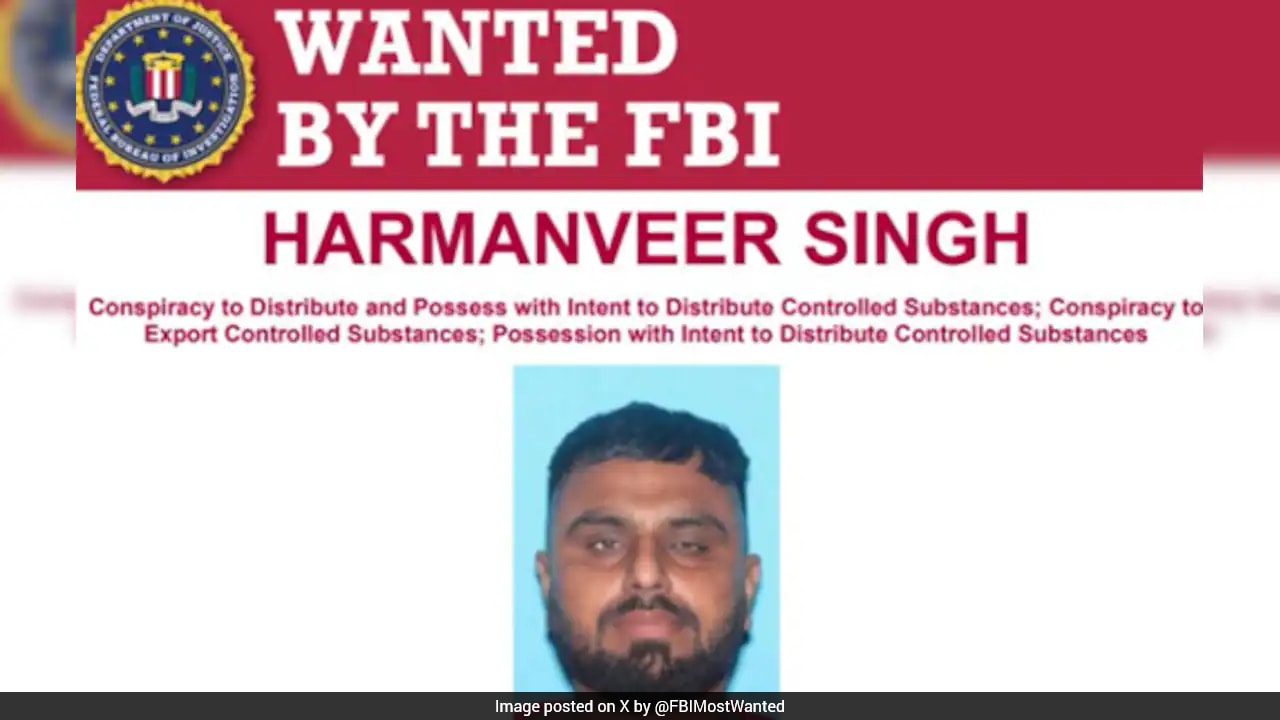
The FBI has issued a 'Wanted' notice for Indian national Harmanveer Singh, linked to a massive international drug trafficking syndicate. The multi-nation crackdown has already resulted in 24 arrests and 37 indictments across the US, Canada, and Europe.
Key Takeaways
- Indian national Harmanveer Singh is wanted by the FBI for trafficking cocaine and methamphetamine.
- The operation spans multiple countries, including the United States, Canada, and various European nations.
- A total of 24 individuals have been arrested and 37 indicted so far in connection with the syndicate.
The Federal Bureau of Investigation (FBI) has intensified its global operations by issuing a high-priority "Wanted" notice against an Indian national, Harmanveer Singh. Singh is allegedly a key player in an organized international narcotics syndicate responsible for smuggling massive quantities of cocaine and methamphetamine across international borders. This development marks a significant escalation in Western law enforcement's efforts to dismantle cross-border drug cartels operating out of South Asia.
The FBI's announcement comes on the heels of a massive, coordinated law enforcement sweep. The crackdown has already successfully netted 24 arrests and led to 37 indictments across the United States, Canada, and Europe. Law enforcement agencies have utilized advanced surveillance, cyber tracking, and international intelligence sharing to map the syndicate’s distribution networks, which rely heavily on sophisticated logistics to move contraband undetected.
| Feature | Traditional Drug Cartels | Modern Transnational Syndicates |
|---|---|---|
| Area of Operation | Localized or regional borders | Global, multi-continental networks |
| Communication Mode | Physical meetings and couriers | Encrypted apps and dark web |
| Primary Drugs | Natural (opium, heroin) | Synthetic (methamphetamine, fentanyl) |
Historical Background
Historically, international drug trafficking networks operated via localized cells with limited digital footprints. However, the rise of encrypted communication channels and globalized supply chains has allowed modern cartels to coordinate seamlessly across continents. Harmanveer Singh's alleged involvement highlights a growing trend of South Asian syndicates collaborating with North American and European distributors to traffic synthetic drugs like methamphetamine.
Why This Matters
BozokMedia analysis shows that the involvement of Indian nationals in high-profile transnational drug cartels signals a shifting paradigm in global organized crime. India's strategic position as a pharmaceutical hub and chemical exporter makes it vulnerable to the diversion of precursor chemicals used in manufacturing synthetic drugs. This case will likely pressure Indian security agencies to tighten regulatory oversight on chemical exports and increase collaboration with Western intelligence agencies like the FBI and Interpol.
Furthermore, for the average citizen, this crackdown highlights the globalized nature of the synthetic drug epidemic. Methamphetamine and cocaine abuse continue to devastate communities worldwide, and dismantling the supply chains at the source is critical. The high number of indictments across Europe and North America underscores the immense scale of the threat and the necessity of unified international policing.
"The globalization of drug syndicates requires an equally globalized law enforcement response; the FBI's pursuit of Harmanveer Singh shows that national borders no longer offer safe haven for cartel operators," says a senior international narcotics control expert.
Frequently Asked Questions
Q1: Who is Harmanveer Singh and why is he wanted?
Answer: Harmanveer Singh is an Indian national wanted by the FBI for his alleged role in an international drug trafficking ring smuggling cocaine and methamphetamine.
Q2: What has been the scale of the FBI's crackdown so far?
Answer: The crackdown has resulted in 24 arrests and 37 indictments across the US, Canada, and Europe.