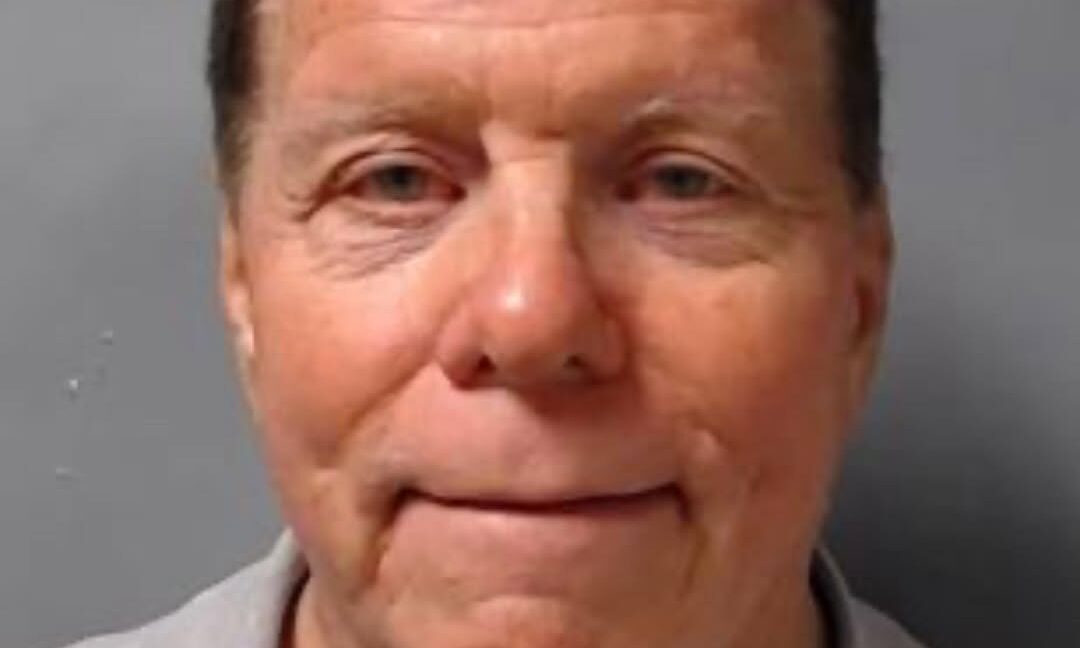
Ronald Fischer, a 70‑year‑old former anesthesiologist who fled a 2005 sexual assault trial, was arrested in New York under the alias Richard Graydon. His capture highlights gaps in biotech industry vetting.
Key Takeaways
- Ronald Fischer, one of Rhode Island's most‑wanted fugitives, was arrested in New York.
- He spent over two decades hiding under the name Richard Graydon while serving as a biotech executive.
- The arrest stems from a 2005 first‑degree sexual assault case involving a yacht‑based assault.
Last week, a shocking development unfolded when California‑based biotech firm Immix Biopharma disclosed in an SEC filing that it terminated senior executive Richard Graydon for “reasons unrelated to his activities at the Company.” The filing, however, revealed a far more startling truth.
Richard Graydon was merely an alias for Ronald Fischer, a 70‑year‑old former anesthesiologist licensed in Rhode Island and Massachusetts. Fischer fled the United States after a 2005 trial for first‑degree sexual assault, during which he was accused of raping a woman on his yacht. Assuming a new identity, he embedded himself in the biotech sector and operated undetected for more than 20 years.
Historical Background
The 2005 case against Fischer centered on a violent assault that occurred during a private yacht outing. Facing a potential life sentence, Fischer leveraged his medical credentials to obtain a new license and subsequently vanished from the public eye. The early 2000s saw a surge in biotech venture capital, often accompanied by lax background checks, allowing individuals like Fischer to secure high‑profile positions without thorough scrutiny.
Biotech firms typically focus regulatory compliance on scientific data and financial disclosures, while detailed personal background investigations may be overlooked. This oversight enabled Fischer to be listed as a senior executive at Immix Biopharma, where he contributed to corporate filings under his fabricated name.
Why This Matters (इसके मायने क्या हैं)
BozokMedia analysis shows that this incident exposes critical weaknesses in regulatory oversight within the biotech industry, risking not only investor confidence but also public health outcomes. When a fugitive gains access to high‑technology research, the integrity of scientific data and the safety of future therapies can be compromised.
Moreover, the case underscores the need for stronger international cooperation among law‑enforcement agencies to track identity changes that facilitate long‑term evasion. For ordinary citizens, it serves as a reminder that corporate transparency and rigorous employee vetting are essential safeguards against hidden threats.
"Biotech companies must prioritize ethical vetting of executives; otherwise, scientific progress can be tarnished by criminal misconduct," says international law expert Dr. Amir Singh.
Frequently Asked Questions (अक्सर पूछे जाने वाले प्रश्न)
Q1: Will Fischer face the original 2005 sexual assault charges after his arrest?
A: Yes, authorities intend to prosecute him on the original first‑degree sexual assault allegations alongside any new charges.
Q2: How will Immix Biopharma protect its reputation after this revelation?
A: The company has announced a thorough internal review, increased cooperation with regulators, and stricter executive background‑screening protocols to restore stakeholder trust.
