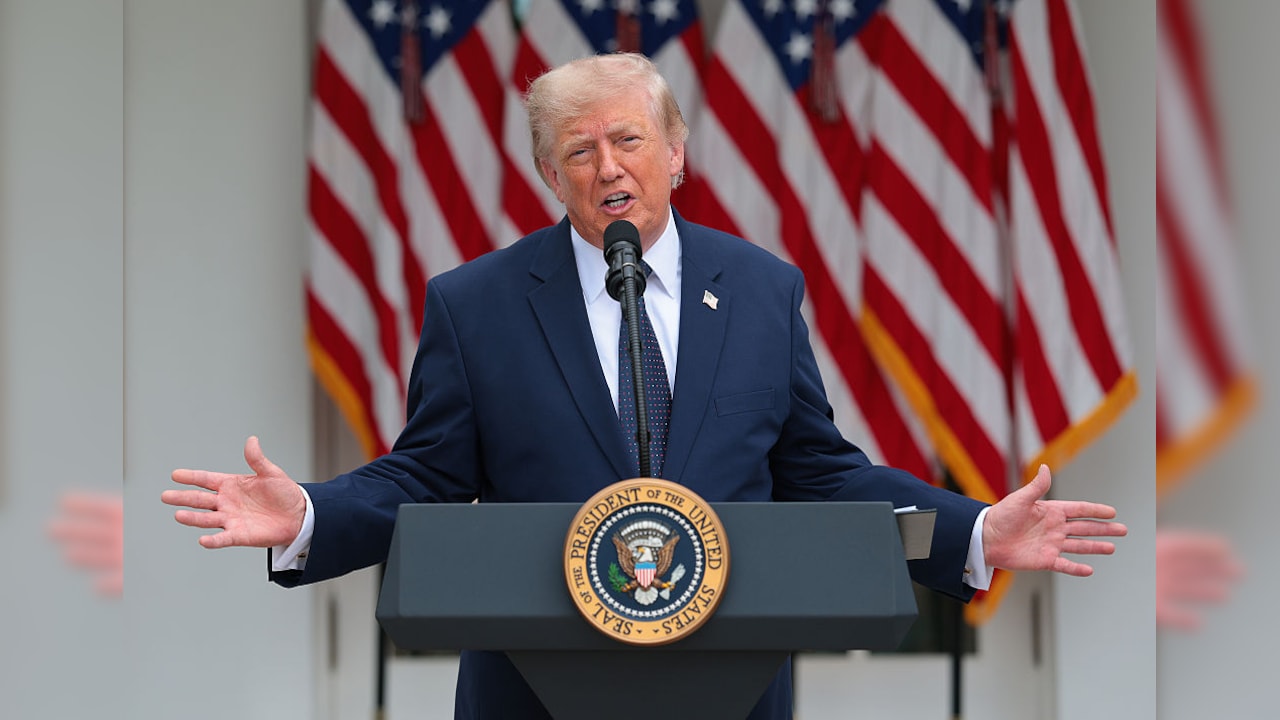
Former President Donald Trump has issued a stark warning to Iran, stating it will pay "many times over" following the deaths of 17 US soldiers. The escalation comes as Houthi rebels threaten a critical blockade of a Saudi port, raising fears of a wider regional conflict.
Key Takeaways
- Donald Trump warns Iran of severe consequences after US military fatalities rise to 17.
- Yemen's Houthi rebels threaten a strategic blockade on a key Saudi Arabian port.
- The escalating conflict raises fears of direct military confrontation between the US and Iran.
In a sharp escalation of geopolitical tensions, former US President Donald Trump has issued a severe warning to Tehran, declaring that Iran will pay "many times over" for the lives of American soldiers. The statement comes in the wake of rising casualties, with the official US military death toll in the region climbing to 17. The situation has been further compounded by Yemen's Iran-backed Houthi rebels, who have threatened a complete naval blockade on a strategic Saudi Arabian port, pushing the Middle East to the brink of a wider war.
The rising death toll of American service members has intensified political pressure within Washington to take decisive action against Iranian proxies. For months, drone and missile attacks targeting US bases in Iraq, Syria, and Jordan have been attributed to Tehran-aligned militias. Trump's aggressive rhetoric signals a potential shift toward a more hawkish US foreign policy, raising concerns among international diplomats about an unchecked cycle of retaliation.
| Aspect | Trump's Previous "Maximum Pressure" (2017-2021) | Current Escalation & Stance (Present) |
|---|---|---|
| Primary Strategy | Economic sanctions and withdrawal from the JCPOA nuclear deal. | Direct warnings of military retaliation and deterrence against proxies. |
| Houthi Rebel Dynamics | Designated Houthis as a terrorist group; supported Saudi coalition. | Houthis threatening global shipping lanes and major Saudi ports. |
| US Casualty Threshold | Red line drawn at the loss of any American life (e.g., Soleimani strike). | Casualties have reached 17, demanding a far more severe response. |
Why This Matters
BozokMedia analysis shows that the current standoff is no longer just a localized proxy conflict but a direct threat to global energy security and maritime trade routes. A Houthi blockade on Saudi ports could choke off key oil supply lines, triggering an immediate spike in global energy prices and disrupting inflation-weary economies worldwide.
Furthermore, Trump's strong rhetoric serves a dual purpose: asserting geopolitical dominance abroad while consolidating domestic political support by portraying the current administration's foreign policy as weak. If these threats materialize into direct military action, the risk of a full-scale regional war involving multiple state actors becomes dangerously high.
"The threshold of tolerance for American casualties has been crossed, making a major US military response almost inevitable, regardless of the diplomatic fallout." — Global Security Analyst
Historical Background of US-Iran Tensions
The adversarial relationship between the United States and Iran dates back to the 1979 Islamic Revolution, which overthrew the US-backed Shah. Over the decades, this animosity has manifested through proxy wars, economic sanctions, and covert operations. The assassination of Iranian General Qasem Soleimani in 2020 represented a modern peak in direct hostilities, demonstrating that the US is willing to target high-ranking Iranian officials when red lines are crossed. The current crisis represents the most significant escalation since that event, fueled by the complex web of regional militias collectively known as the 'Axis of Resistance.'
Frequently Asked Questions (FAQ)
Q1: What triggered Trump's warning to Iran?
A1: Trump's warning was triggered by the deaths of 17 US military personnel in the region, attributed to Iran-backed proxy groups, alongside Houthi threats to blockade a key Saudi port.
Q2: How could a Houthi blockade affect the global economy?
A2: A blockade on Saudi ports would disrupt major oil shipping lanes, leading to a sharp increase in global oil prices and severe supply chain delays.