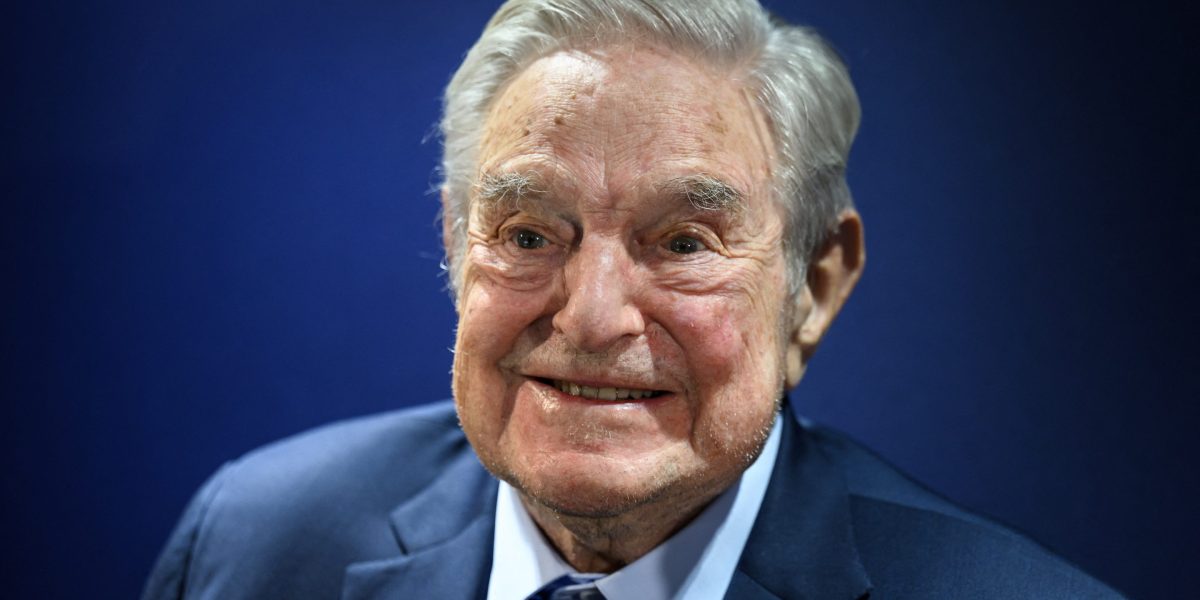
A major political shift is brewing in Turkey as a former opposition leader prepares to form a new political party to challenge President Erdogan's dominance.
Key Takeaways
- A deposed opposition leader is forming a new political party.
- The primary goal is to challenge President Recep Tayyip Erdogan's leadership.
- This move signals a significant potential shift in Turkey's political landscape.
The political landscape in Turkey is bracing for a significant upheaval. A deposed opposition leader has announced plans to establish a new political party, aiming to create a formidable force to challenge the long-standing dominance of President Recep Tayyip Erdogan.
This strategic move comes at a time when Turkey's domestic politics are increasingly polarized. The leader's intention to build a new platform suggests a move to consolidate fragmented opposition votes into a single, cohesive entity capable of contesting future elections and influencing policy decisions.
Why This Matters (इसके मायने क्या हैं)
BozokMedia analysis shows that this development could fundamentally alter the power dynamics within Turkey. For years, the political narrative has been centered around Erdogan's presidency; however, the emergence of a structured new party could break this monopoly and introduce a much-needed competitive balance to the Turkish parliament.
For the average citizen, this means a potential increase in political pluralism. In an era marked by economic fluctuations and social shifts, a new political voice could bring fresh perspectives to the forefront of governance. Furthermore, a more competitive political environment often leads to greater accountability, which is crucial for the long-term health of the nation's economy and democratic institutions.
The formation of a new party represents a direct challenge to the centralized authority that has defined Turkish politics for two decades.
Historical Background
Turkey has undergone massive political transformations, most notably the shift from a parliamentary system to an executive presidency following the 2017 constitutional referendum. Under President Erdogan and his AKP (Justice and Development Party), the country has seen significant centralization of power, which has been a point of intense debate among political scientists and international observers alike.
| Aspect | Erdogan Era (Current) | Proposed New Party (Potential) |
|---|---|---|
| Power Structure | Highly Centralized Executive | Pluralistic and Decentralized |
| Political Focus | Nationalist/Conservative | Reformist/Opposition-led |
Frequently Asked Questions (अक्सर पूछे जाने वाले प्रश्न)
Question 1: What is the primary objective of the new party?
Answer: To challenge the current administration and provide a unified alternative for opposition voters.
Question 2: How will this affect Turkish elections?
Answer: It could lead to more competitive elections and potentially split the traditional voting blocs.