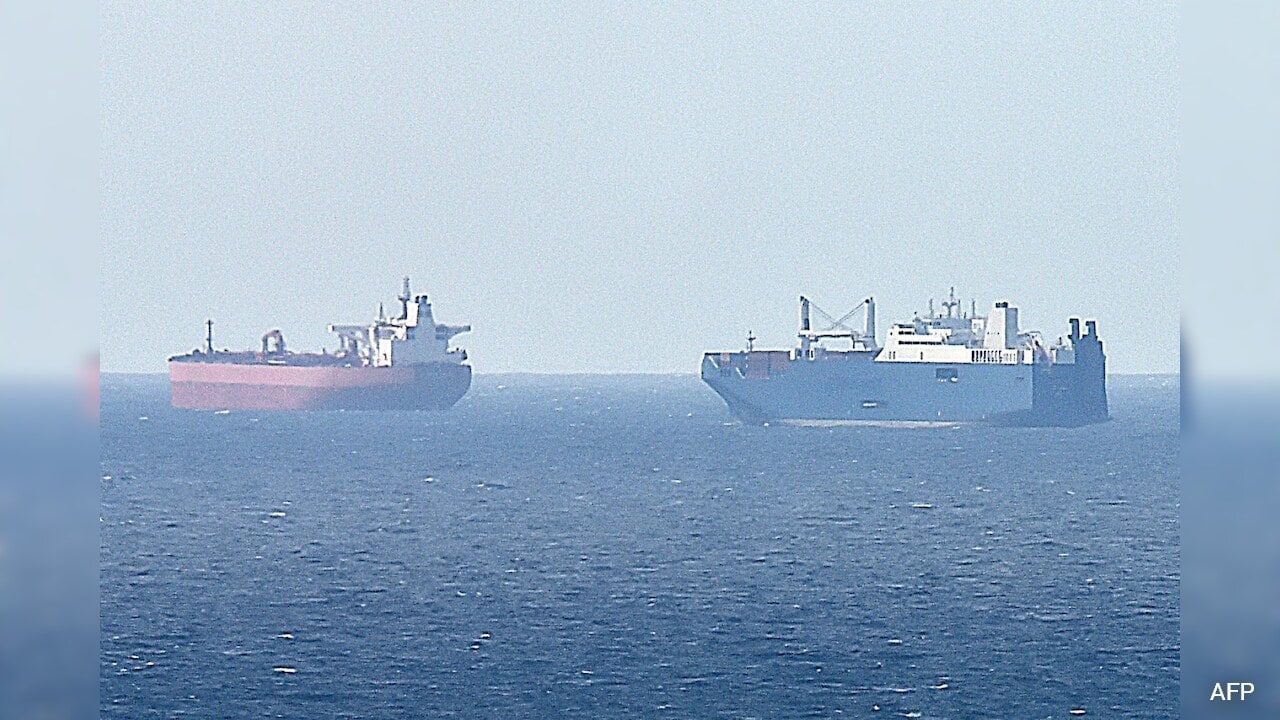
Iran‑backed Houthi rebels have declared a naval blockade against Saudi Arabia, forcing two Saudi oil tankers to alter their routes in the Red Sea. The move adds fresh pressure on an already strained global energy market after the Strait of Hormuz closure.
Key Takeaways
- Houthi rebels impose a naval blockade on Saudi Arabia
- Two Saudi oil tankers reverse direction in the Red Sea to avoid risk
- Global energy supplies face heightened tension following Hormuz shutdown
News Overview
Two Saudi‑flagged oil tankers suddenly turned around in the Red Sea after the Houthi group announced a full‑scale naval blockade targeting Saudi vessels. The maneuver underscores the expanding reach of the Houthi threat and raises concerns about further disruptions to a critical Middle‑East shipping corridor.
Details
The Houthi movement, backed by Iran, declared earlier this week that all Saudi‑registered ships would be considered hostile targets. In response, the operators of the two tankers, each carrying several million barrels of crude, steered away from the traditional Gulf‑to‑Europe route and sought a safer heading within the Red Sea's western corridor. Analysts believe the decision was driven by the imminent danger of missile or drone attacks that have become increasingly common in the region.
Historical Background
Since 2015, the Houthi rebels have repeatedly targeted commercial vessels as part of their broader campaign in Yemen. Notable incidents include the 2017 missile launch in the Strait of Hormuz that forced several tankers to reroute, and the 2021 drone strike on a Saudi‑owned container ship near the Yemeni coast. These actions have historically caused spikes in oil prices and disrupted global supply chains. This latest blockade marks a direct escalation toward Saudi oil logistics, amplifying the strategic volatility of the Red Sea corridor.
Comparative Analysis
| Aspect | Pre‑Houthi Escalation (2022‑23) | Current Situation (2024) |
|---|---|---|
| Naval Blockade | Partial, limited to Yemeni waters | Full, targeting all Saudi‑flagged vessels |
| Shipping Route | Hormuz open | Hormuz closed, Red Sea risk heightened |
| Crude Price | $80‑$90 per barrel | $105‑$115 per barrel |
Why This Matters
According to BozokMedia analysis, the redirection of Saudi oil tankers will push crude prices higher and strain economies that rely heavily on imported energy. With the Strait of Hormuz already shut, any additional instability in the Red Sea forces shippers to consider longer, costlier routes, ultimately inflating consumer prices worldwide.
The blockade also reshapes regional power dynamics. Heightened maritime insecurity may prompt allied navies to increase their presence, while oil‑dependent nations scramble for alternative supply lines, potentially reshaping long‑standing trade alliances.
"Targeting Saudi oil carriers is a clear escalation that tests global energy security frameworks," says maritime security expert Dr. Michael Anders.
Frequently Asked Questions
How will the Houthi blockade affect oil prices? The disruption could lift crude prices by 10‑15% in the short term as markets react to constrained supply.
Is the international community taking steps to counter the threat? Several nations are boosting naval patrols and applying diplomatic pressure on the Houthis, but a definitive resolution remains elusive.