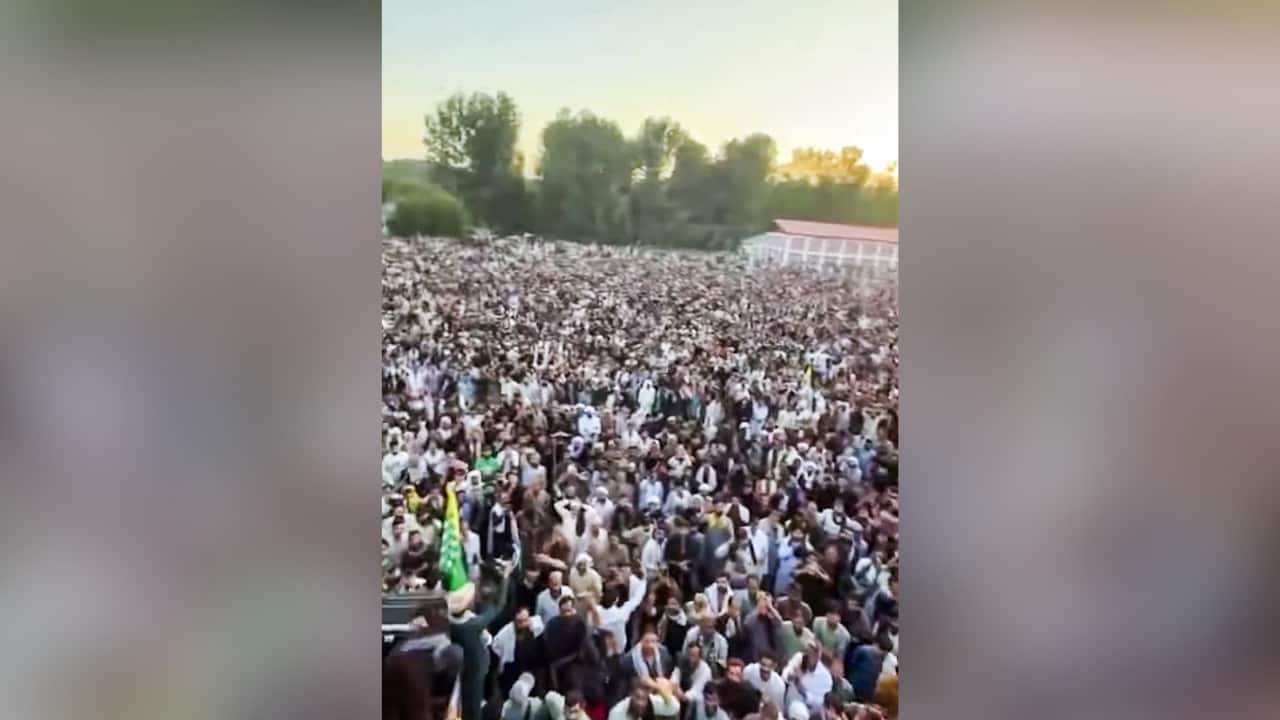
India's Ministry of External Affairs has called on the international community to take decisive action against Pakistan's decades‑long exploitation in Pakistan‑occupied Kashmir, as local protests intensify.
Key Takeaways
- India asks the world to hold Pakistan responsible for systemic exploitation in PoK.
- Protests in Pakistan‑occupied Kashmir have entered their 35th consecutive day, demanding basic rights.
- Kashmiri diaspora rallies abroad, notably in Washington, to amplify the call for international intervention.
New Delhi (Randhir Jaiswal), July 14, 2026 – During the weekly press briefing, Ministry of External Affairs spokesperson Randhir Jaiswal warned that the ongoing protests in Pakistan‑occupied Jammu and Kashmir are a direct outcome of Pakistan’s decades‑long systemic exploitation and denial of fundamental rights. He urged the global community to hold Islamabad fully accountable for its atrocities.
From Basic Grievances to a Broad Challenge
What began as a demand for water, electricity and food has morphed into a sweeping movement challenging Pakistan’s illegal hold over the region. Protest leader Javed Iqbal declared, “For 78 years, they sold us the ‘Srinagar liberation’ myth. That myth is now expired; Kashmiris no longer buy it.” He added, “When we ask for flour we get bullets, when we ask for electricity we get bullets, when we ask for water we get bullets.” This rhetoric has galvanized thousands, who chant that every child will fight to the death rather than accept PoK as a Pakistani province.
International Echoes and Diaspora Support
Kashmiri expatriates staged a massive rally in Washington, carrying banners that read “Stop state repression in Kashmir.” Their presence underscores the growing international dimension of the crisis and lends weight to India’s diplomatic appeal.
Escalating Violence and Humanitarian Crisis
Pakistani security forces have reportedly killed dozens of civilians and injured many more. The region remains under a strict blockade, curfew and a total communications blackout. The Joint Awami Action Committee (JAAC) announced a long march to Muzaffarabad on July 15, signalling further escalation.
What Lies Ahead
If the international community translates India’s call into concrete pressure on Pakistan, the Kashmiri populace could see an end to systematic abuses and a pathway to genuine relief. Conversely, continued impunity may deepen instability, affecting South Asian security architecture.
India’s diplomatic push, coupled with the grassroots uprising, could reshape the narrative surrounding Kashmir, placing human rights at the centre of any future resolution.