Heavy rainfall has triggered devastating floods across North and Northeast India. With 23 deaths reported in Jammu-Kashmir and major pilgrimages halted, several states including MP and UP remain on high alert.
Key Takeaways
- 23 fatalities reported in Jammu-Kashmir due to flash floods and rising river levels.
- Vaishno Devi and Amarnath Yatra suspended due to safety concerns.
- Heavy rain alerts issued for MP, Rajasthan, UP, and Chhattisgarh.
- Assam facing severe crisis with over 5.6 lakh people affected by floods.
- Landslides in Uttarakhand have blocked the Kedarnath trekking route.
The Indian subcontinent is grappling with intense monsoon activity, leading to widespread destruction. In Jammu-Kashmir, particularly in the Poonch, Rajouri, and Doda districts, relentless rain since July 19 has caused rivers to overflow, inundating homes and businesses. Tragically, 23 lives have been lost in the last three days. In response to the rising danger, authorities have suspended the Vaishno Devi, Amarnath, Shiv Khori, and Machil Devi pilgrimages. The rising water levels in the Chenab River have forced officials to open all gates of the Salal Dam.
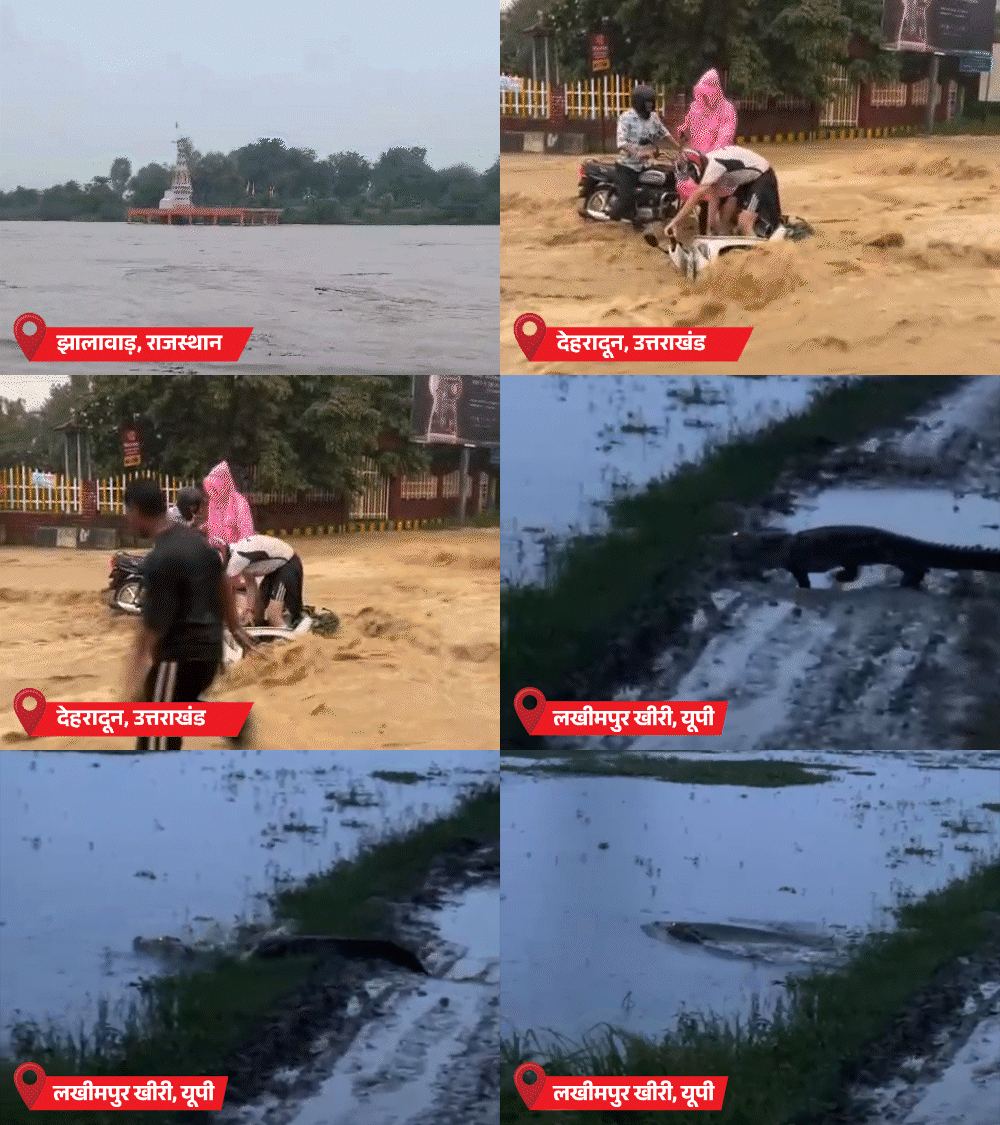
In Central India, Madhya Pradesh is under severe weather warnings, with over 35 districts reporting heavy rainfall and a high alert for the next 48 hours. Rajasthan has also seen orange alerts in four districts. Meanwhile, in Uttar Pradesh, the Sharda River has breached its banks, causing flooding in riverside villages. In a bizarre and terrifying turn of events, residents have reported seeing crocodiles roaming in flooded streets and agricultural fields.
Why This Matters (इसके मायने क्या हैं)
BozokMedia analysis shows that the increasing frequency of extreme weather events is creating a massive socio-economic burden. Beyond the immediate loss of life, the disruption of major pilgrimage routes like Amarnath affects the livelihoods of thousands of local vendors and transporters. Furthermore, the flooding of agricultural lands in states like UP and MP threatens crop yields, which could lead to increased food prices in the coming months.
The infrastructure strain caused by these floods highlights the urgent need for climate-resilient urban planning. As rivers swell and roads collapse, the economic cost of rebuilding and the human cost of displacement are becoming harder for the state machinery to manage without massive long-term investment in disaster mitigation.
"The intensification of monsoon patterns is a direct consequence of shifting climatic variables, necessitating a paradigm shift in our disaster response strategies."
Historical Background
The Indian Monsoon is a seasonal reversal in wind patterns that brings nearly 75% of India's annual rainfall. However, historical data suggests that the 'extremity' of these rains—where a month's worth of rain falls in a few days—is increasing. Regions like Assam and Jammu-Kashmir are geographically prone to floods due to their terrain and river systems, making them perennial hotspots for monsoon-related disasters.
| Region | Current Situation | Primary Impact |
|---|---|---|
| Jammu-Kashmir | Flash Floods | Loss of life, Dam gates opened, Pilgrimages stopped |
| Assam | Severe Flooding | 5.64 lakh people affected, Relief via helicopters |
| Uttar Pradesh | River Overflow | Village inundation, Wildlife (Crocodiles) sightings |
| Uttarakhand | Landslides | Kedarnath route blocked, Pilgrimage suspended |
Frequently Asked Questions (अक्सर पूछे जाने वाले प्रश्न)
Q1: Is the Kedarnath Yatra currently operational?
A: No, the trekking route near Gaurikund has been blocked due to landslides, and the administration has temporarily suspended the Yatra.
Q2: Which states are under the highest rainfall alert?
A: Madhya Pradesh, Rajasthan, Chhattisgarh, Gujarat, and Uttar Pradesh are under various levels of heavy rain alerts.