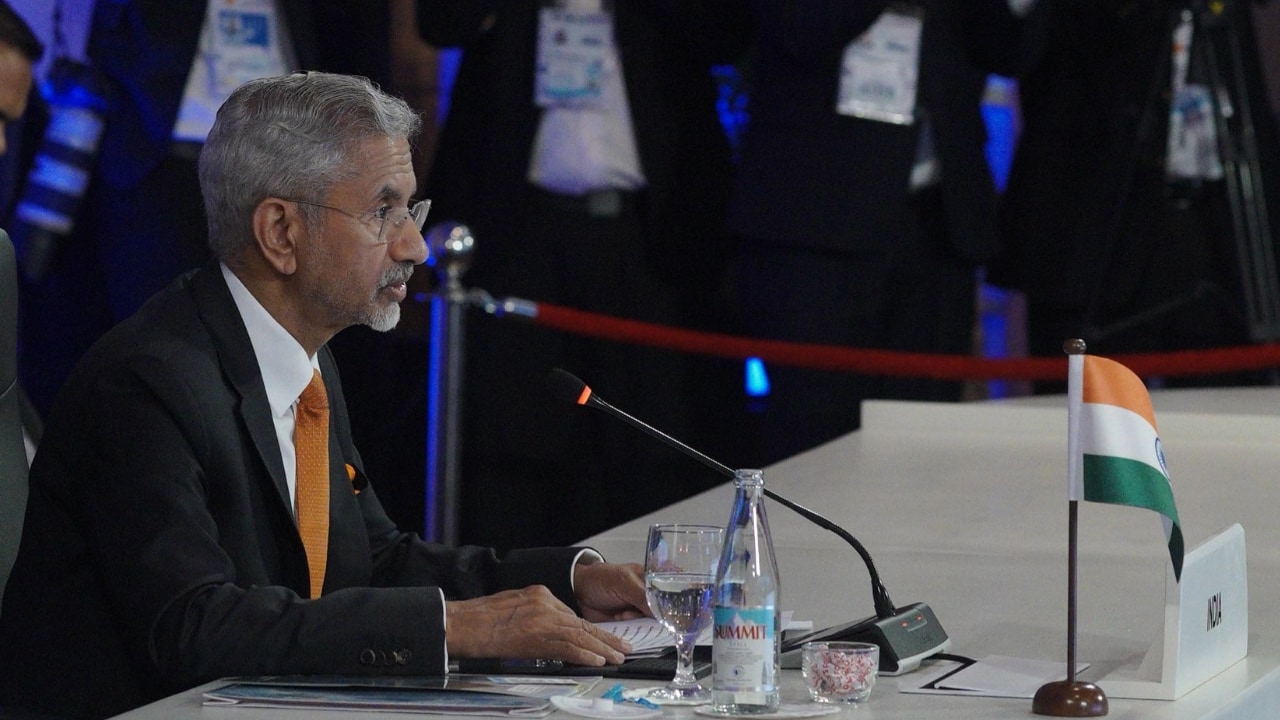
Foreign Minister S Jaishankar will join Australia, Japan and the United States at the Quad summit, aiming to boost trade, technology and sustainability ties between India and ASEAN nations.
Key Takeaways
- S Jaishankar will attend the Quad meeting with foreign ministers from Australia, Japan and the United States.
- India‑ASEAN partnership focuses on trade, investment, mobility, technology, sustainability and connectivity.
- The initiative seeks to reinforce regional security and economic stability amid global uncertainty.
India’s Foreign Minister S Jaishankar announced his participation in the upcoming Quadrilateral Security Dialogue (Quad) alongside the foreign ministers of Australia, Japan and the United States. The core agenda will be to deepen India‑ASEAN cooperation across six strategic pillars: trade, investment, people‑to‑people mobility, technology, sustainability and connectivity.
The India‑ASEAN relationship traces its roots back to the early 1990s when New Delhi adopted the “Act East” policy, aiming to strengthen ties with Southeast Asian nations. Formal strategic partnership was signed in 2002, paving the way for accelerated bilateral trade, joint infrastructure projects, and maritime cooperation. Over the past two decades, the partnership has evolved into a cornerstone of regional supply‑chain resilience and maritime security.
During the Quad session, Jaishankar is expected to emphasize the need for coordinated action on digital infrastructure, clean‑energy initiatives, and climate‑change mitigation. By aligning with the United States, Japan and Australia, India hopes to unlock new investment streams and technology transfers that can accelerate its own sustainable‑development goals.
"The future of India‑ASEAN cooperation lies not just in trade, but in joint innovation and climate resilience," said Dr. Maya Desai, senior analyst at the Institute of International Studies.
Why This Matters
According to BozokMedia analysis, high‑level engagements such as the Quad serve as catalysts for both economic growth and strategic stability. Enhanced connectivity and technology collaboration will enable Indian firms to access new markets, attract foreign direct investment, and generate employment, thereby bolstering domestic economic resilience.
Moreover, in an era marked by supply‑chain shocks and escalating climate risks, joint sustainability projects between India and ASEAN nations align with long‑term strategic interests. The partnership not only elevates India’s diplomatic standing but also dovetails with the broader Indo‑Pacific security architecture championed by the United States and its allies.
Frequently Asked Questions
Question 1: What are the primary objectives of the India‑ASEAN partnership?
Answer: The partnership aims to boost trade and investment, ease people‑to‑people mobility, accelerate technology sharing, advance sustainable development, and strengthen regional connectivity.
Question 2: How will the Quad summit influence India‑ASEAN relations?
Answer: The Quad provides a platform for India to align its strategic and economic agenda with key ASEAN partners, fostering new projects, investment opportunities, and security arrangements.
