President Donald Trump has escalated tensions by threatening to target Iran's critical infrastructure, including power plants and bridges, in response to attacks on shipping in the Strait of Hormuz.
Key Takeaways
- Trump threatened to target Iranian infrastructure near Tehran if attacks on ships persist.
- Global oil prices surged to $94 per barrel due to heightened regional tensions.
- The US has conducted airstrikes on Iran for 11 consecutive nights.
- Iran has warned of massive reprisals, targeting US-linked assets and potentially nuclear sites.
In a major escalation of Middle Eastern hostilities, President Donald Trump has issued a stern warning to Tehran. He stated that the United States is prepared to destroy Iranian bridges and power plants if attacks on maritime vessels in the Strait of Hormuz continue. Trump's remarks, posted on Truth Social, specifically mentioned that potential targets could include critical infrastructure located within or adjacent to the capital, Tehran.
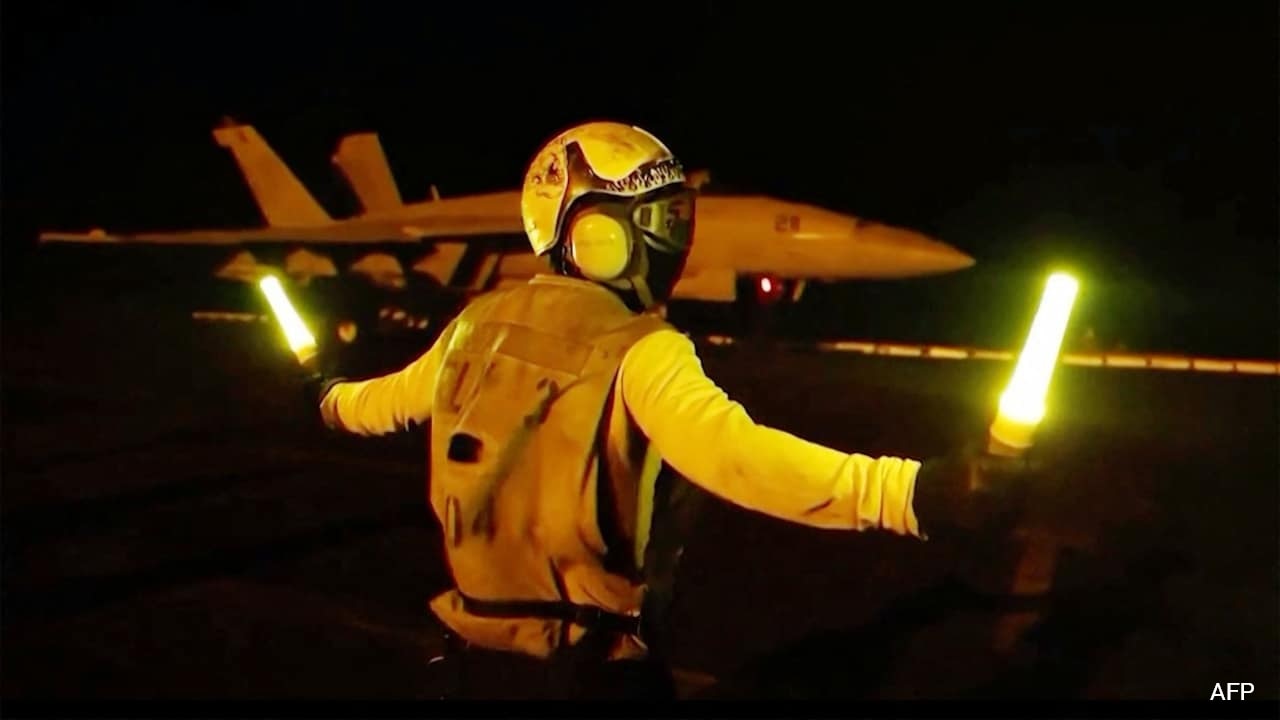
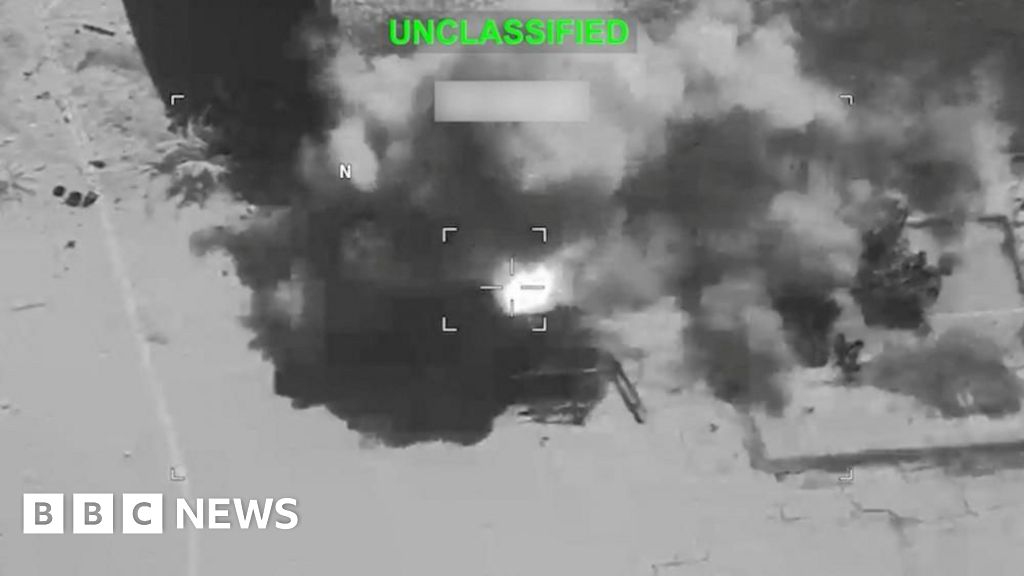
The threat comes amidst a period of intense military activity, with US forces launching strikes against Iranian targets for the 11th consecutive night. Iran has responded by activating air defenses across the country, with reported explosions in Tabriz, Chabahar, and Bushehr—the site of Iran's only nuclear power plant. The tension is further compounded by the threat to strike the 'Pickaxe Mountain' complex, an underground nuclear site.
Why This Matters (इसके मायने क्या हैं)
BozokMedia analysis shows that the Strait of Hormuz is the world's most critical maritime chokepoint. Any disruption here has an immediate and violent impact on global energy markets. The jump in oil prices to $94 per barrel is a direct signal to consumers worldwide that geopolitical instability in the Middle East translates directly into higher costs at the gas pump.
Furthermore, the shift from targeting military assets to targeting civilian infrastructure like power plants and bridges marks a dangerous escalation. This move could broaden the scope of the conflict, drawing in regional players like Kuwait, Bahrain, and Jordan, who have already reported intercepting Iranian drones and missiles. The economic ripple effects could trigger a global inflationary surge.
"The strategic vulnerability of the Strait of Hormuz makes it the ultimate lever in Middle Eastern geopolitical warfare."
On the economic front, the cost of this conflict is mounting rapidly. US Defense Secretary Pete Hegseth noted that the war has already cost the US approximately $37.5 billion. Meanwhile, Iran's top negotiator, Mohammad Bagher Ghalibaf, has signaled a 'total war' stance, stating that if Iranian security is not guaranteed, no oil infrastructure in the region will be safe.
Historical Background
The Strait of Hormuz has been a flashpoint for conflict for decades. It is a narrow waterway that connects the Persian Gulf with the Gulf of Oman. Because a significant portion of the world's liquefied natural gas (LNG) and crude oil passes through this passage, control over the Strait is synonymous with global energy security. Previous decades have seen various 'Tanker Wars' and maritime blockades used as tools of political leverage.
| Aspect | Iranian Strategy | US Strategy |
|---|---|---|
| Primary Objective | Regional deterrence and maritime control | Freedom of navigation and nuclear non-proliferation |
| Tactical Approach | Drone/Missile strikes on shipping | Airstrikes on infrastructure and nuclear sites |
| Diplomatic Stance | 'All or nothing' approach | Open to diplomacy but skeptical of Iranian intent |
Frequently Asked Questions (अक्सर पूछे जाने वाले प्रश्न)
Question 1: What is the main trigger for Trump's latest threat?
Answer: The persistent attacks on commercial and military ships in the Strait of Hormuz by Iranian-backed forces.
Question 2: How has the conflict affected the global economy so far?
Answer: Most notably, it has caused a significant spike in global oil prices, which reached $94 per barrel following the escalation.