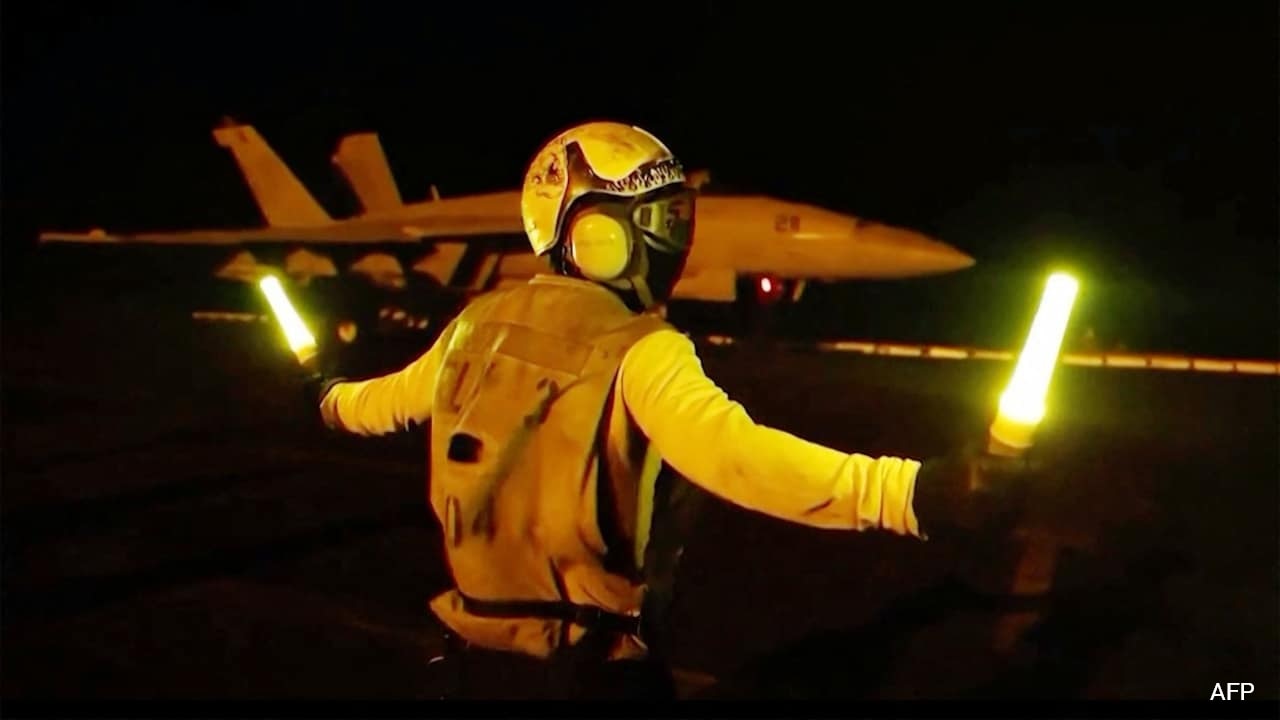
Donald Trump has issued a stark warning to Iran, stating that any attack on ships in the Strait of Hormuz will result in the destruction of Iran's critical infrastructure, including bridges and power plants.
Key Takeaways
- Donald Trump warned Iran against disrupting maritime traffic in the Strait of Hormuz.
- The threat involves targeting critical infrastructure like power plants and bridges.
- The warning highlights the escalating geopolitical tensions in the Middle East.
In a move that has sent ripples through global diplomatic circles, Donald Trump has issued an uncompromising warning to Iran. Trump stated that if any attacks are carried out against vessels in the Strait of Hormuz, the United States will respond by targeting Iran's vital infrastructure, specifically mentioning the destruction of bridges and power plants.
The Strait of Hormuz is a critical chokepoint for global energy supplies. Trump's rhetoric underscores a 'zero-tolerance' policy toward any attempt to weaponize maritime routes. By threatening the very backbone of Iran's domestic stability—its electricity and transportation networks—the message is clear: the cost of disruption will be catastrophic for the Iranian state.
Why This Matters (इसके मायने क्या हैं)
BozokMedia analysis shows that this escalation is not just about military posturing; it is about global economic survival. Any disruption in the Strait of Hormuz could trigger an immediate spike in global crude oil prices, leading to inflation and economic instability in nations far beyond the Middle East.
Furthermore, this marks a shift toward a more aggressive doctrine of 'infrastructure warfare.' If such threats are realized, it would represent a significant departure from traditional naval skirmishes, moving toward a direct assault on a nation's ability to function internally, thereby changing the landscape of modern conflict.
"The Strait of Hormuz remains the world's most critical energy artery, making any threat there a global economic concern."
Historical Background
The Strait of Hormuz, connecting the Persian Gulf to the Gulf of Oman, is arguably the most important maritime corridor in the world. Approximately 20-30% of the world's total oil consumption passes through this narrow passage. Historically, Iran has used the threat of closing the Strait to counter international sanctions, leading to frequent standoffs with the U.S. Navy and its allies over the last four decades.
| Aspect | Iran's Position | USA (Trump) Position |
|---|---|---|
| Strategic Objective | Leverage over international sanctions | Ensuring freedom of navigation |
| Potential Response | Interference with shipping | Destruction of domestic infrastructure |
Frequently Asked Questions (अक्सर पूछे जाने वाले प्रश्न)
Question 1: Why is the Strait of Hormuz so sensitive?
Answer: Because it is the primary transit point for a massive portion of the world's oil supply.
Question 2: What does 'infrastructure warfare' imply here?
Answer: It implies attacking a country's ability to power its cities and move goods, rather than just fighting its military.