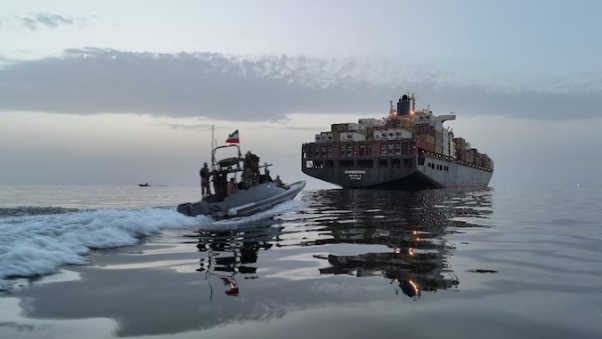
The United States conducted its 12th straight night of air strikes on southern Iran, intensifying regional tension. Iran's retaliatory actions and the global economic ripple are examined in this report.
Key Takeaways
- US carries out 12th consecutive night of air strikes on Iranian military installations
- Multiple explosions heard in the Sirik region of southern Iran
- Iran responds by targeting a tanker in the Strait of Hormuz and sounding missile warnings
On July 23, 2026, U.S. Central Command (CENTCOM) ordered a fresh wave of precision strikes against Iran’s strategic assets, including aircraft hangars, drone storage facilities, maritime logistics hubs, and command‑and‑control centers. The attacks resonated across the Sirik area of southern Iran, where residents reported a series of loud explosions, underscoring the growing danger to civilian life and commercial shipping routes.
This operation continues a pattern of U.S. aerial campaigns aimed at curbing Iran’s anti‑shipping capabilities, particularly around the vital Strait of Hormuz. In retaliation, Iran later that week targeted a commercial oil tanker navigating the Strait, while sounding sirens in Bahrain and Kuwait as a warning of potential missile strikes. The escalation is already nudging global oil prices and reshaping regional security calculations.
Historically, the United States first launched significant strikes against Iranian facilities in 2019, targeting bases in Iraq and Syria, which set a precedent for the current escalation. The 2026 flare‑up marks a renewed chapter in a decades‑long rivalry, where both powers test each other’s resolve and strategic depth.
Why This Matters
BozokMedia analysis shows that nightly air raids not only destabilize the Middle East’s security environment but also inject volatility into global commodity markets, especially oil. For ordinary citizens, the heightened risk to maritime trade translates into higher fuel costs and potential disruptions to supply chains.
Politically, the relentless U.S. posture signals a hard‑line approach toward Tehran, while Iran’s counter‑measures could rally regional allies and prompt a re‑assessment of security commitments by powers such as China and India, who have significant maritime interests in the Indian Ocean.
"Continuous U.S. air operations rewrite the strategic balance in the Middle East, yet they do not guarantee long‑term stability." – Dr. Anita Sharma, International Security Analyst
Comparison Table
| Aspect | United States | Iran |
|---|---|---|
| Targets | Military infrastructure, drone depots, maritime logistics | Tankers in Hormuz, regional missile warning systems |
| Objective | Intimidate civilian shipping, degrade Iran’s military capability | Demonstrate resistance, protect strategic waterways |
| Response | Ongoing nightly air operations | Retaliatory strikes, missile alerts |
Frequently Asked Questions
Q1: Will these strikes directly affect Iranian civilians?
A: Yes. Residents in the Sirik area have reported noise pollution, possible infrastructure damage, and heightened anxiety, while commercial vessels face rerouted pathways and increased costs.
Q2: How might this conflict impact global oil prices?
A: Analysts warn that heightened tension in the Strait of Hormuz can trigger short‑term spikes in oil prices, especially if supply disruptions become more frequent.

