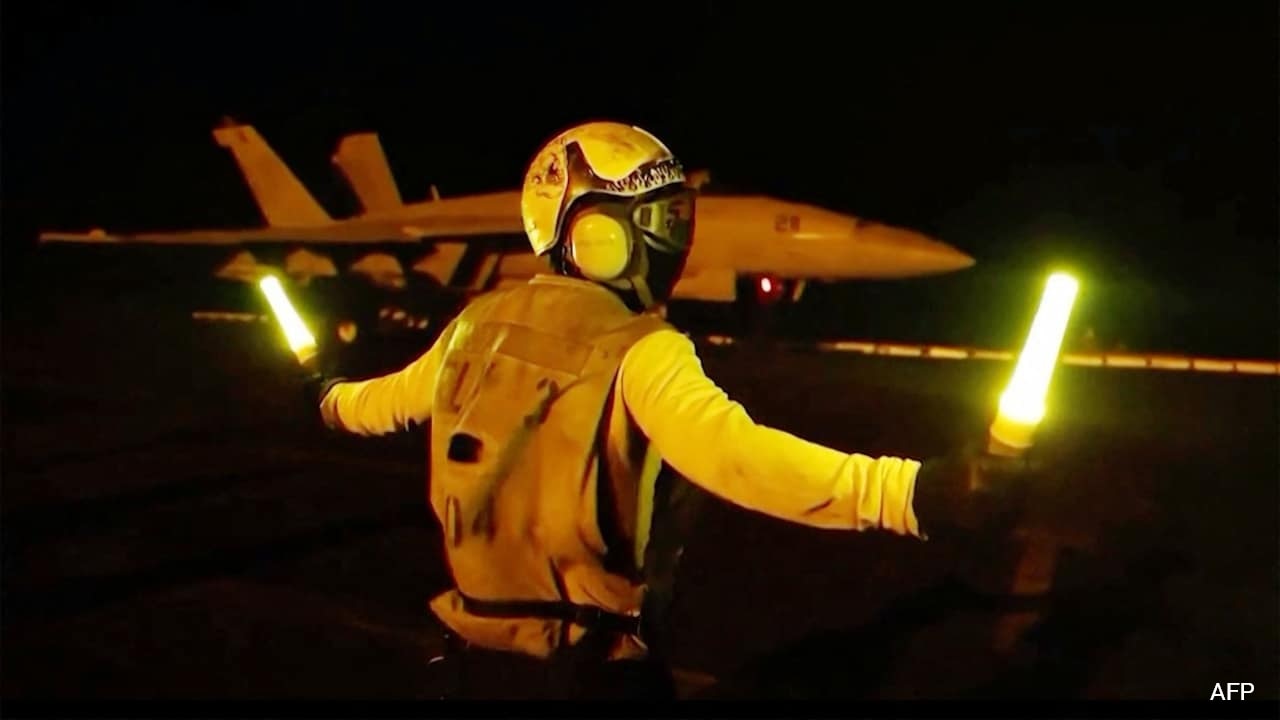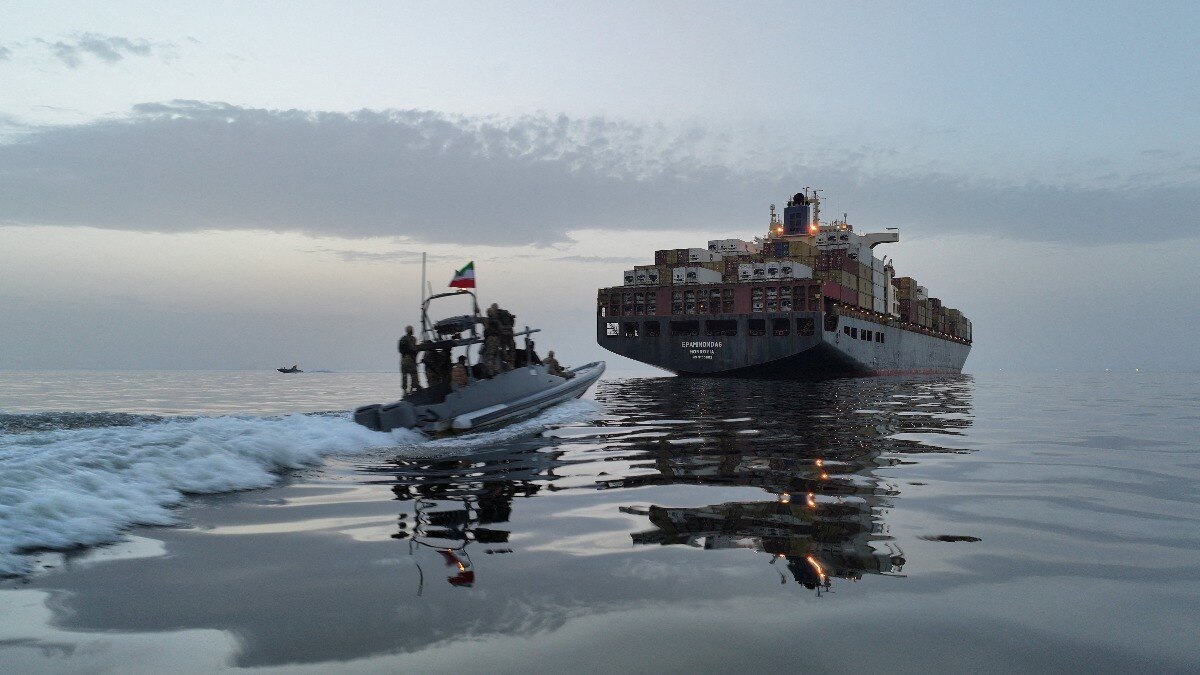
The United States has launched its 12th consecutive night of strikes against Iranian military targets. As ceasefire agreements collapse, tensions rise over global oil shipping routes in the Strait of Hormuz.
Key Takeaways
- The US conducted its 12th consecutive night of strikes on Iranian military targets.
- President Trump warned of targeting Iranian infrastructure in retaliation for attacks on shipping.
- Iran has threatened to retaliate against regional energy and economic facilities.
- Global oil prices are fluctuating due to tensions in the Strait of Hormuz and Bab el-Mandeb.
The United States military launched its 12th consecutive night of strikes on Iran on Wednesday, signaling a severe escalation in regional hostilities. This follows the collapse of a recent ceasefire agreement and comes at a time when both Washington and Tehran are issuing increasingly aggressive warnings to one another. The U.S. Central Command (CENTCOM) confirmed that these operations were conducted under the direct orders of President Donald Trump.
President Trump has adopted a zero-tolerance stance regarding maritime security. He warned that if Tehran targets vessels passing through the strategic Strait of Hormuz, the U.S. will respond by destroying critical Iranian infrastructure, including power plants and bridges. "For every strike against vessels in the strategic waterway, Iran will face the destruction of a bridge or power plant," Trump stated.
Why This Matters (इसके मायने क्या हैं)
BozokMedia analysis shows that this conflict is no longer localized; it is a direct threat to the stability of the global economy. The Strait of Hormuz is a chokepoint through which a massive portion of the world's petroleum passes. Any sustained disruption here could trigger a global energy crisis, sending oil prices soaring and driving up inflation worldwide.
Furthermore, the expansion of threats to the Bab el-Mandeb Strait by Houthi rebels adds a second layer of instability. As shipping companies divert tankers to avoid conflict zones, the resulting increase in travel time and operational costs will inevitably trickle down to consumers in the form of higher goods prices. This geopolitical volatility creates a high-risk environment for international trade and maritime security.
The escalation in the Middle East represents a pivot point that could redefine global energy security for years to come.
In response, Iranian Foreign Minister Abbas Araqchi has articulated a doctrine of "eye for an eye," warning that any aggression against Iranian infrastructure will be met with decisive retaliation against regional oil, gas, and electricity facilities. The human cost is already mounting, with reports indicating hundreds of casualties on both sides since the intensification of the conflict.
Historical Background
The tension between the US and Iran is rooted in decades of geopolitical rivalry, exacerbated by the 1979 Islamic Revolution. The Strait of Hormuz has long been a flashpoint, as Iran has frequently used the threat of closing the waterway as leverage in international negotiations. The current conflict marks one of the most intense periods of direct military confrontation in recent history.
| Aspect | United States (USA) | Iran |
|---|---|---|
| Primary Objective | Protecting maritime commerce and allies | Defending sovereignty and regional influence |
| Threat Response | Destruction of physical infrastructure | Disruption of regional energy supply |
| Military Stance | Targeted strikes on military assets | Missile and drone operations against regional targets |
Frequently Asked Questions (अक्सर पूछे जाने वाले प्रश्न)
Question 1: How does this conflict affect global oil prices?
Answer: Increased risk in shipping routes leads to market uncertainty and higher premiums, causing crude oil prices to rise.
Question 2: What is the significance of the Strait of Hormuz?
Answer: It is a narrow waterway that acts as a vital artery for the global oil supply; control or blockage here can paralyze global energy markets.