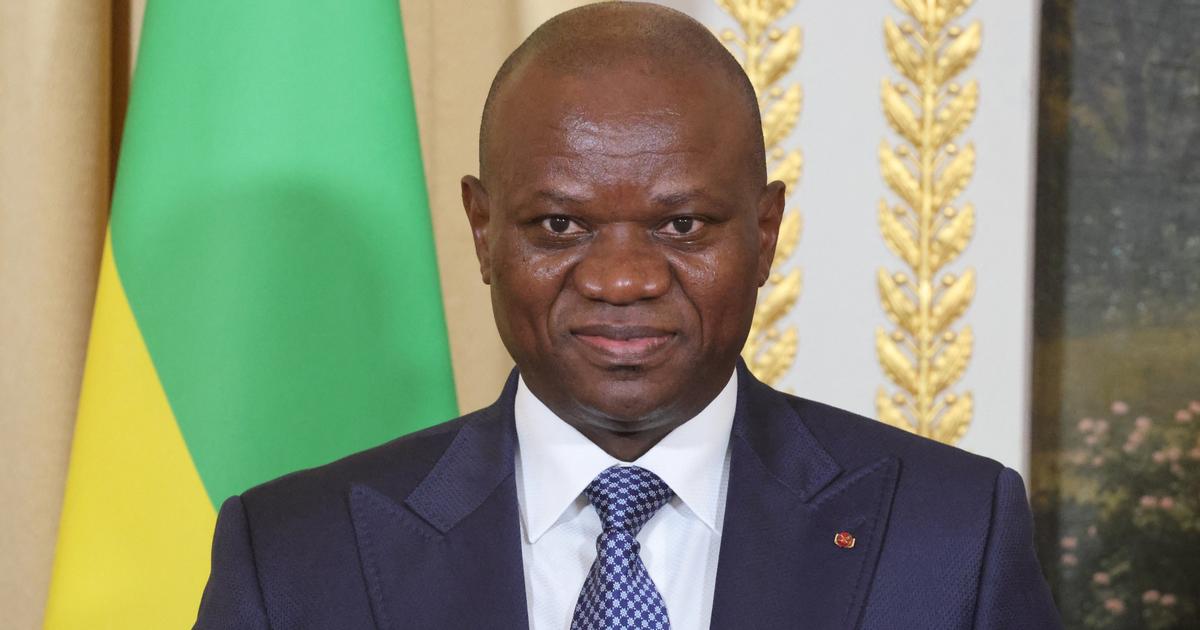
Greater Manchester Mayor Andy Burnham has cleared the way for US forces to launch defensive strikes against Iran from British military installations. Iran's foreign ministry condemned the move, labeling the UK a potential legitimate target.
Key Takeaways
- Andy Burnham approved US use of UK bases for defensive operations against Iran.
- Iran denounced the decision as a breach of international law and warned the UK could become a legitimate target.
- The clearance deepens the US‑UK defence partnership but raises diplomatic risks.
Andy Burnham, the Labour mayor of Greater Manchester, has formally authorized the United States to employ British military sites for defensive strikes aimed at Iran, according to a report from The Times of India. The approval is framed as a response to potential Iranian aggression.
Iran’s foreign ministry immediately condemned the move, stating that the United Kingdom has violated its own security principles and could now be considered a "legitimate target" in any future conflict.
Historical Background
The US‑UK military partnership dates back to World War II, with shared airfields and joint operations. During the 2003 Iraq invasion, several UK bases were also used by American forces, a precedent that continues to shape contemporary debates over sovereign base usage.
Why This Matters
BozokMedia analysis shows that this decision could intensify the strategic alignment between Washington and London, while simultaneously inflaming tensions across the Middle East, potentially disrupting global energy markets.
"Any military activity launched from UK soil must be scrutinized under international law to prevent escalation," said security analyst Dr. Emily Carter.
Frequently Asked Questions
Question 1: Is the permission limited to defensive strikes only?
Answer: Official statements stress a defensive scope, but the language leaves room for broader interpretation in future scenarios.
Question 2: How might this affect UK‑Iran diplomatic relations?
Answer: Relations are likely to deteriorate, with possible repercussions for trade, cultural exchanges, and regional security cooperation.